
Selecting the right adhesive tapes and labels is a critical step in securing your shipments, managing warehouse inventory, and ensuring that your goods arrive at their destination undamaged. In Singapore’s fast-paced logistics landscape, choosing the correct packaging consumables requires a clear understanding of your specific application, your shipping volume, and how local environmental conditions affect adhesive performance. By matching the right material, adhesive type, and dimensions to your packaging workflow, you can prevent label peeling, tape failure, and costly transit delays.
To make an informed decision, you must evaluate the physical properties of your packaging materials alongside the storage and transit conditions your packages will encounter. This guide breaks down the essential selection criteria for carton sealing tapes, inventory labels, and warning indicators, helping you identify the most reliable options for your business operations.
Identifying Your Core Packaging and Fulfillment Requirements
Before purchasing any tape or label products, you must define the primary task your packaging needs to accomplish. Carton sealing requires high-tensile materials with strong shear resistance to keep box flaps closed under pressure. Inventory tracking demands high-contrast, durable labels that remain legible under barcode scanners for weeks or months. Handling warnings require bright, high-visibility indicators that immediately communicate transit instructions to couriers and warehouse staff. Aligning your product selection with these specific tasks prevents operational bottlenecks and minimizes the risk of package tampering or loss.
Products mentioned in this guide
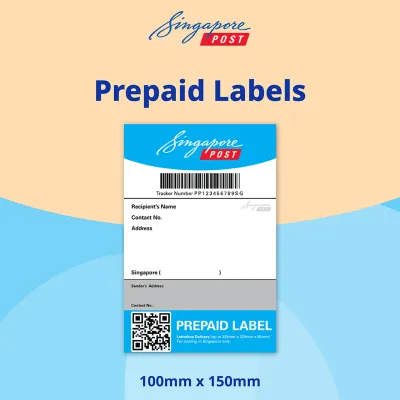
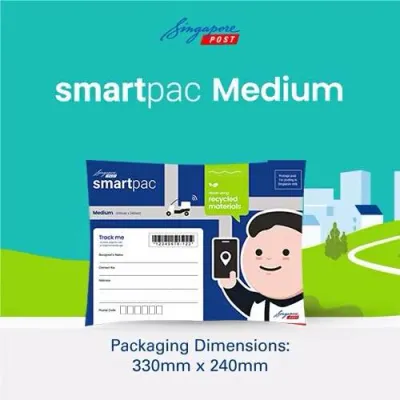
![*FREE SHIPPING* [CHOOSE OPTION] Singapore Post Smartpac Small Smartpac Medium Mini Lite 600g 1kg Singpost Smart pac Sing Post PolyM Poly M](https://img.lazcdn.com/g/p/ca35df7d5aaeef118422794879cc317a.jpg_400x400q80.jpg_.webp)
![[SINGPOST] BOX smartpac - A postage-paid packaging for local delivery. Trackable via the SingPost mobile app.](https://img.lazcdn.com/g/p/3360d819ebee92c4900de5d10f98c2e8.png_400x400q80.png_.webp)
Prices are valid at publication and may change. Please refer to the product page for the latest price.
Singapore’s tropical climate presents unique challenges for packaging adhesives. With average daily temperatures often exceeding 30 degrees Celsius and relative humidity levels frequently rising above 80 percent, standard adhesives can soften, lose tack, or slide off surfaces. Moisture in the air can penetrate paper-based labels, causing them to warp, smudge, or peel away from cardboard boxes. When evaluating packaging materials, you must ensure that the adhesives are rated to perform in warm, humid environments, particularly if your goods are stored in non-air-conditioned warehouses or transported in metal shipping containers.
Your overall packaging and shipping volume dictates whether you should invest in retail-sized rolls or bulk industrial formats. For home-based online sellers or low-volume offices, standard retail rolls (typically 40 to 50 meters in length) designed for manual hand dispensers offer convenience and easy storage. Conversely, high-volume fulfillment centers benefit from bulk rolls (up to 990 meters) designed for automatic carton sealing machines. Purchasing in bulk reduces the cost per meter, minimizes roll-change downtime, and ensures consistent application tension across all packages.
Matching SmartPac Singapore Carton Sealing Tapes to Box Weight and Surface
Securing your shipments begins with selecting a carton sealing tape that can withstand the physical stresses of transit. The tape must bond instantly to your shipping boxes and maintain its integrity even when packages are stacked, dropped, or subjected to vibration during delivery across Singapore.

Polypropylene (PP) vs. PVC Tapes
Polypropylene (PP) tape, often referred to as BOPP (Biaxially Oriented Polypropylene), is the most common and cost-effective option for standard packaging needs. It features high tensile strength and excellent resistance to splitting, making it ideal for light-to-medium-weight cartons. However, standard PP tape can be quite noisy when unwound from a dispenser, which may be a consideration in quiet office environments unless you specifically select a designated “low-noise” PP variant.
Polyvinyl Chloride (PVC) tape is a premium, heavy-duty alternative that offers superior thickness and puncture resistance. PVC tape unwinds silently and can be easily torn by hand, eliminating the absolute necessity of a tape dispenser during the packing process. Because of its high elasticity and stronger film backing, PVC tape is highly recommended for sealing heavy, valuable, or oddly shaped cartons that exert continuous outward pressure on the box flaps.
Adhesive Types for Different Surfaces
- Acrylic Adhesives: These water-based adhesives offer excellent UV resistance and long-term aging stability. They perform reliably across a wide temperature range and do not yellow over time. However, acrylic adhesives require a brief "dwell time" to build a complete bond with the cardboard surface, meaning they may not grip instantly on dusty or highly textured materials.
- Hot Melt Rubber Adhesives: Formulated with synthetic rubbers, hot melt adhesives provide an extremely fast, aggressive initial tack. They bond almost instantly to corrugated boxes, making them highly efficient for fast-moving packing lines. The primary trade-off is that hot melt adhesives can degrade faster under prolonged exposure to UV light and extreme heat compared to acrylic formulations.
- Solvent Rubber Adhesives: Utilizing natural rubber dissolved in a solvent, these adhesives offer the strongest overall bond and excellent performance in highly humid environments. They adhere exceptionally well to recycled cardboard fibers, which are notoriously difficult for standard adhesives to grip.
Tape Width and Thickness Considerations
Matching the physical dimensions of your tape to your package specifications prevents structural failures. Standard carton sealing tape is typically 48mm (approximately 2 inches) wide, which is sufficient for sealing standard slotted cartons up to 15 kilograms. For heavier boxes, wider 72mm (3-inch) tape is recommended because it covers more surface area, distributes stress more evenly across the carton flaps, and provides extra reinforcement against bursting.
Tape thickness is measured in microns, with standard-duty tapes ranging from 40 to 45 microns. If you are shipping heavy cargo, industrial components, or packages exceeding 20 kilograms, you should opt for heavy-duty tapes with a thickness of 50 microns or more. Thicker tapes resist stretching and breaking when packages are handled roughly during last-mile delivery.
Selecting SmartPac Inventory Labels for Scanability and Longevity
Inventory labels must remain perfectly legible from the moment they are printed until they reach the end consumer. A faded barcode or a peeling label can result in lost inventory, sorting errors, and delayed deliveries.
Direct Thermal vs. Thermal Transfer Labels
Direct thermal (DT) printing uses heat-sensitive paper that darkens when it passes under the printhead. This technology requires no ink, toner, or ribbon, making it a highly cost-effective and low-maintenance option for short-term applications like shipping labels. However, because the paper remains chemically sensitive to heat and light, direct thermal labels will fade or turn entirely black if exposed to direct sunlight, high temperatures, or friction over extended periods.
Thermal transfer (TT) printing utilizes a thermal ribbon (wax, wax-resin, or resin) to melt ink onto the label surface. This process produces highly durable, crisp, and high-contrast images that do not fade when exposed to heat, moisture, or UV light. Thermal transfer labels are the industry standard for long-term inventory storage, product identification, and asset tracking in non-climate-controlled warehouse environments.
Label Adhesives: Permanent vs. Removable
- Permanent Adhesives: Designed to create a strong, irreversible bond with the application surface. Attempting to peel a permanent label will typically tear the paper face stock or damage the underlying cardboard. These are essential for shipping labels, outer carton barcodes, and security seals where tampering must be easily detected.
- Removable Adhesives: Formulated to provide temporary adhesion, allowing the label to be peeled away cleanly without leaving sticky residue or tearing the surface. These are ideal for retail price tags, glassware, reusable plastic totes, and inventory items where the label must be removed by the end customer.
Core Size and Roll Dimensions
Before ordering label rolls, you must verify the physical specifications of your thermal printer to ensure compatibility. Desktop label printers typically accommodate smaller rolls with a 25mm (1-inch) inner core diameter and a maximum outer roll diameter of around 127mm. Industrial printers, designed for high-volume operations, generally require rolls with a 76mm (3-inch) inner core and can accept much larger outer diameters.
Additionally, check the maximum printable width of your equipment. While standard shipping labels are 100mm x 150mm (4×6 inches), smaller inventory tracking labels may require precise calibration. Always measure the physical clearance inside your printer’s media compartment before purchasing bulk label rolls.
Using SmartPac Warning Labels for Safe Transit and Handling
Warning labels serve as a vital communication tool during transit, instructing courier personnel on how to handle sensitive, fragile, or high-value items. Using clear, standardized visual cues reduces the likelihood of accidental damage during sorting and transport.
Standard pre-printed warning labels utilize high-contrast color schemes—most commonly bright red, neon orange, or bold yellow—to immediately capture the attention of logistics handlers. Messages such as “Fragile,” “This Way Up,” “Keep Dry,” or “Do Not Double Stack” should feature clear, bold typography and universally recognized icons. Placing these labels prominently on multiple sides of the carton ensures they remain visible regardless of how the package is oriented on a pallet or delivery vehicle.
For businesses looking to reinforce brand identity or convey highly specific handling instructions, custom-printed warning labels are an excellent option. Custom labels can incorporate your company logo, specific return instructions, or QR codes linking to handling manuals. When preparing digital files for custom printing, ensure that your designs are saved in high-resolution vector formats (such as PDF or AI) to guarantee sharp, legible text and graphics on the final printed product.
Because warning labels are applied to the exterior of shipping cartons, they are highly exposed to environmental wear. In Singapore’s humid climate, standard paper labels can easily scuff, tear, or smudge if they rub against other boxes during transit. To ensure your warning messages remain completely legible, select labels made from moisture-resistant materials, such as polypropylene or varnished paper, which resist water droplets, friction, and minor abrasions.
Pre-Purchase Checklist: Verifying Equipment and Environmental Compatibility
To avoid purchasing incompatible packaging supplies or experiencing adhesive failures, use this practical checklist before finalizing your order:
- Equipment Compatibility: Measure the core size of your tape rolls to ensure they fit your manual dispensers (standard hand dispensers typically require a 76mm/3-inch core). For labels, verify the maximum roll width, inner core size, and outer roll diameter supported by your specific desktop or industrial thermal printer model.
- Environmental Limits: Review the manufacturer's technical data sheets for the specified application temperature and service temperature ranges. Ensure the adhesive is rated to bond effectively in Singapore's ambient humidity and will remain stable if your packages are stored in warm warehouses or shipped internationally.
- Surface Preparation: For optimal adhesive performance, ensure that all application surfaces are clean, dry, and free of dust, oil, or condensation. Perform a dry wipe test on your shipping cartons before applying tape or labels; dusty cardboard surfaces can severely compromise the bonding strength of standard adhesives.
- Material Trial: Before committing to a large bulk order, purchase a single roll of tape or labels to conduct an in-house trial. Apply the product to your standard shipping boxes, expose them to your typical storage conditions for 24 hours, and inspect for any lifting, curling, or barcode smudging.
Frequently Asked Questions (FAQ)
Can I use standard carton sealing tape on heavily recycled cardboard boxes?
Heavily recycled cardboard boxes contain shorter wood fibers and often carry a fine layer of surface dust, which makes it difficult for standard light-duty acrylic tapes to establish a secure bond. To seal recycled cartons reliably, you should use a thicker tape with an aggressive hot melt rubber or solvent-based adhesive. These adhesives have a high initial tack that can penetrate the loose surface fibers and hold the box flaps securely closed under tension. Alternatively, performing a 24-hour test strip application on your specific recycled boxes will help you verify if the tape lifts at the edges before you begin high-volume shipping.
How do I prevent direct thermal inventory labels from fading in a warm warehouse?
Direct thermal labels utilize a chemical heat-sensitive coating that naturally degrades and darkens when exposed to heat, UV light, and friction. In a warm, non-air-conditioned warehouse in Singapore, these labels can fade rapidly, rendering barcodes unscanable. To prevent fading, store unused label rolls in a cool, dark, and dry location, and keep labeled inventory away from direct sunlight or localized heat sources. For long-term storage or high-temperature environments, the most effective solution is to transition to thermal transfer printing using a durable polyester or paper label paired with a high-quality wax-resin or full resin ribbon, which provides permanent resistance to heat and environmental wear.
Community discussion
Share your experience or ask a question. Comments are reviewed before publication.