
Singapore 1 cent coins, though no longer seen in daily cash transactions, have transitioned from humble pocket change into highly cherished keepsakes, souvenirs, and nostalgic gifts. These small copper-hued pieces carry a physical record of Singapore’s rapid economic growth, nation-building journey, and artistic evolution. For international visitors seeking a lightweight yet culturally rich memento, or for locals looking to commemorate a specific milestone, a carefully selected 1 cent coin offers a tangible connection to the past.
Choosing the perfect coin requires a thoughtful approach that balances historical significance, aesthetic appeal, and the recipient’s personal story. Because these coins are no longer minted for general circulation, they possess an inherent scarcity that elevates them from simple currency to meaningful tokens of heritage. By understanding the different design eras, evaluating physical conditions, and presenting the coin in a protective, elegant format, you can transform a modest piece of metal into a deeply personal and lasting gift.
How to Choose the Right Singapore 1 Cent Coin for Gifting
Selecting a Singapore 1 cent coin as a gift begins with understanding the recipient’s relationship with the country. A person who lived through Singapore’s early years of independence might feel a deep sense of nostalgia for the rustic, bronze coins of the late 1960s and 1970s. Conversely, a younger recipient or an international traveler might appreciate the sleek, modern aesthetic of the later floral series. Aligning the coin’s mint year with a significant personal milestone, such as a birth year, anniversary, or the year of a major life event in Singapore, immediately adds a layer of thoughtfulness that standard souvenirs cannot match.
Products mentioned in this guide
Prices are valid at publication and may change. Please refer to the product page for the latest price.
You must also decide between the charm of a circulated heritage coin and the pristine beauty of an uncirculated specimen. Circulated coins bear the honest marks of history, with a warm, natural patina and minor surface wear that show they once passed through the hands of everyday Singaporeans. These pieces feel alive with history and are perfect for those who appreciate rustic, antique aesthetics. On the other hand, uncirculated coins, particularly those sourced from official mint sets, retain their original brilliant luster and sharp, untouched details. These are highly suited for formal display, framing, or gifting to serious collectors who value visual perfection.
Budgeting for these numismatic gifts is highly accessible, though prices vary based on rarity, condition, and packaging. While a common circulated 1 cent coin might cost only a few dollars, rare key dates, proof finishes, or coins professionally graded and encapsulated by third-party services can command higher prices in the double-digit or triple-digit S$ range. Establishing a clear budget beforehand helps narrow down your options, allowing you to focus on finding the best possible condition within your price point. Ultimately, the goal is to balance visual appeal with historical relevance, ensuring the final presentation feels premium and intentional.
Key Singapore 1 Cent Series to Consider
To build a targeted shortlist for your gift, it is helpful to understand the distinct design eras of Singapore’s coinage. The First Series, introduced in 1967 and minted until 1985, is widely celebrated for its botanical and cultural motifs. The 1 cent coin from this era features the iconic Tembusu tree (Fagraea fragrans) on the reverse side. The Tembusu is a large, evergreen tree native to Singapore, known for its extreme durability, deep roots, and fragrant white flowers that bloom at sunset. Gifting a First Series coin carries a beautiful symbolic message of strength, resilience, and deep-rooted growth, making it an exceptional choice for weddings, housewarmings, or career milestones.

The Second Series, introduced in 1985, brought a significant aesthetic shift by showcasing Singapore’s national flower, the Vanda Miss Joaquim orchid. This series features a stylized orchid on the reverse, symbolizing beauty, harmony, and national pride. Over its production run, which lasted until the denomination was phased out of active circulation in 2003, the physical composition of the coin changed. Early versions were composed of bronze, giving them a rich, warm weight, while later versions transitioned to copper-clad steel, which altered their magnetic properties and gave them a brighter, more metallic sheen.
For those seeking the absolute pinnacle of visual quality, official commemorative and proof sets are highly recommended. Although the Monetary Authority of Singapore ceased minting 1 cent coins for general circulation in 2003, they continued to produce them in limited quantities for annual collector sets and special anniversary editions. Proof coins are struck using specially polished dies and hand-selected planchets, resulting in a stunning contrast between frosted design elements and mirror-like background fields. These sets often come in official presentation folders, making them ready-made, premium gifts.
When searching for specific years or rare varieties, always cross-reference your findings with official mint catalogs or established numismatic guides. These resources provide reliable data on mintage figures, metal compositions, and historical context. For example, certain years may have had significantly lower production runs, making them naturally scarcer and more desirable to collectors. Knowing these details allows you to verify the historical accuracy of a seller’s claims and ensures you are acquiring a genuine piece of Singapore’s monetary history.
How to Evaluate Condition and Authenticity
Evaluating the physical condition of a coin is crucial to ensuring its value and appeal as a gift. Begin by performing a careful visual inspection under a strong, direct light source, ideally using a magnifying glass or a 10x jeweler’s loupe. Look closely at the high points of the design, such as the leaves of the Tembusu tree or the delicate petals of the Vanda Miss Joaquim orchid. On circulated coins, these areas are the first to show wear and flattening. Check the flat background areas (the fields) for deep scratches, rim dings, or signs of harsh cleaning, which can severely detract from the coin’s aesthetic and collectible value.
Understanding basic grading terminology will help you communicate effectively with sellers and make informed decisions. Coins are generally categorized into three main conditions: circulated, uncirculated, and proof. Circulated coins show varying degrees of wear from daily use but should still retain clear, recognizable details. Uncirculated (UNC) coins have never been used in commerce and retain their original, brilliant mint luster—the reflective sheen created during the minting process. Proof coins, as mentioned, are specialized collector pieces with flawless, high-contrast finishes.
When assessing premium or uncirculated coins, pay close attention to the packaging and accompanying documentation. Genuine collector coins from official mint sets often come in sealed acrylic capsules, presentation boxes, and with official certificates of authenticity that feature unique serial numbers. Be cautious of loose, “raw” coins that are claimed to be in pristine condition but show signs of artificial toning—a process where chemicals are used to mimic the natural, colorful oxidation that occurs over decades. Natural toning is highly prized, but artificial toning often looks blotchy or unnaturally bright.
If you are considering a high-value coin or a piece advertised as a rare mint error, such as an off-center strike or a double die, recognize when to pause and seek professional guidance. The numismatic market can be complex, and counterfeit or altered coins do exist. A reputable seller should be willing to have the coin verified or offer a clear return policy. For peace of mind, look for coins that have been professionally graded and encapsulated by independent, third-party grading services, which guarantee both the authenticity and the exact grade of the coin.
Where to Source Collectible Coins Safely
Finding a reliable source is key to a successful purchasing experience. The safest starting point is to visit authorized numismatic dealers and established physical coin shops in Singapore. These brick-and-mortar shops are run by experienced professionals who can guide you through their inventory, explain the history of different pieces, and allow you to inspect the coins in person before buying. Establishing a relationship with a local dealer also gives you access to their expertise and ensures you are paying fair market rates.
If you choose to search online marketplaces or secondary collector forums, extra vigilance is required. While these platforms offer a vast selection and the convenience of browsing from home, they also carry higher risks. Always verify the seller’s reputation by checking their feedback rating, reading reviews from previous buyers, and reviewing their return policies. Avoid listings that rely solely on stock photos; a reputable seller should always provide clear, high-resolution photographs of the exact coin you are purchasing, showing both the obverse and reverse sides.
Be highly skeptical of online listings that advertise “rare,” “unreleased,” or “error” coins at unusually low or high prices without professional certification. True mint errors are exceptionally rare and require verification by recognized grading authorities to establish their legitimacy. Without this independent certification, purchasing such claims is highly risky and often leads to disappointment. Stick to well-documented series and years unless you are working with a trusted, certified expert.
Finally, understand the trade-offs between buying raw coins and professionally graded, encapsulated pieces. Raw coins are excellent for casual gifting, as they are more affordable and can be placed into custom gift packaging of your choice. However, they require you to be confident in your own ability to judge condition and authenticity. Graded coins, sealed in protective plastic slabs, offer guaranteed authenticity and condition, making them the ideal choice for high-value gifts or for recipients who are serious coin collectors.
How to Package and Present Your Coin Gift
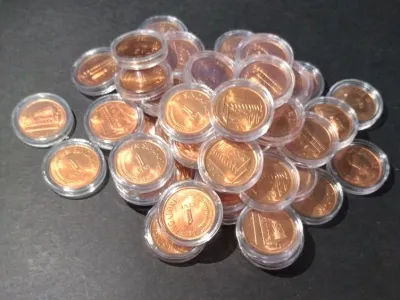
The presentation of your coin gift is just as important as the coin itself, especially when giving it as a souvenir or a premium keepsake. To protect the coin from environmental damage, you must select archival-safe storage materials. Avoid cheap plastic sleeves, soft vinyl holders, or standard adhesive tapes, as these materials often contain PVC or other chemicals that degrade over time, causing green residue and permanent damage to the coin’s surface. Instead, opt for inert materials such as Mylar coin flips, acid-free paper envelopes, or airtight acrylic capsules.
When choosing an acrylic capsule, ensure you verify the exact dimensions of the coin to guarantee a perfect fit. A standard Singapore 1 cent coin from the First Series has a diameter of 17.78 mm and a thickness of 1.12 mm, while the Second Series coin has a diameter of 15.90 mm and a thickness of 1.10 mm. Using a capsule that is too large will allow the coin to rattle and potentially suffer rim damage, while a capsule that is too small will not close securely. A snug, exact-fit capsule protects the coin from moisture and physical wear while allowing the recipient to view both sides clearly.
To elevate the gift, add context by including a custom informational card. You can write a short note explaining the coin’s specific mint year, its design significance (such as the resilience of the Tembusu tree or the national pride of the Vanda Miss Joaquim orchid), and its place in Singapore’s history. When creating these cards, select high-quality, acid-free cardstock and verify that your ink is quick-drying and water-resistant to prevent smudging. This thoughtful addition transforms the coin from a simple piece of metal into an educational and deeply personal story.
For a truly premium presentation, consider pairing the coin with complementary local stationery or souvenir items. You can place the encapsulated coin inside a velvet-lined display box, a small wooden chest, or pair it with a high-quality notebook featuring botanical illustrations of Singapore’s flora. Always practice safe handling when preparing your gift: hold the coin only by its outer edges, and wear clean, lint-free cotton gloves to prevent natural skin oils from transferring to the metal surface, ensuring the coin remains in pristine condition for the final presentation.
Frequently Asked Questions (FAQ)
Are Singapore 1 cent coins still legal tender?
Yes, Singapore 1 cent coins technically remain legal tender under the Currency Act of Singapore, meaning they are still officially recognized as national currency. However, the Monetary Authority of Singapore ceased issuing 1 cent coins for active circulation in 2003 due to low demand and high production costs. While they are still legal tender, merchants and banks are not practically obliged to accept them for everyday transactions in large quantities. Consequently, their real value today is entirely numismatic and historical, making them far more valuable as collectible souvenirs and gifts than as spendable currency.
Should I clean a collectible coin before gifting it?
No, you should never clean a collectible coin before gifting it, regardless of how dirty or tarnished it may appear. Abrasive scrubbing, chemical silver or copper polishes, and even mild household soaps can permanently strip away the coin’s original mint luster and damage its delicate surface details. Collectors highly value the natural aging process, known as patina or toning, which proves the coin’s age and authenticity. Cleaning a coin can instantly destroy up to ninety percent of its numismatic value. Instead, preserve its natural state and present it safely inside an archival-safe holder or acrylic capsule.

Community discussion
Share your experience or ask a question. Comments are reviewed before publication.