
Choosing the right packaging film depends entirely on whether you need to seal individual items tightly using heat or bundle heavy loads together using physical tension. In Singapore’s humid tropical climate, making the wrong choice can lead to trapped moisture, damaged finishes, or unstable loads during transit. While many people use the term shrink wrap to describe any clear plastic packaging, true shrink wrap requires a heat source to contract and conform to an item, whereas stretch wrap relies on elastic tension to hold objects secure.
Identifying your specific scenario—whether it is shipping retail products, storing household goods, or moving house—will ensure you select the correct material and avoid wasting time or damaging your belongings. This guide breaks down the technical differences, application techniques, and key specifications to help you choose the ideal wrapping solution.
Shrink Wrap vs. Stretch Wrap: Which One Do You Actually Need?
Understanding the fundamental differences between shrink wrap and stretch wrap prevents costly packaging mistakes, wasted effort, and unnecessary equipment purchases. Although both are clear plastic films used for protection, they function on entirely opposite physical principles and serve completely different purposes.
Products mentioned in this guide
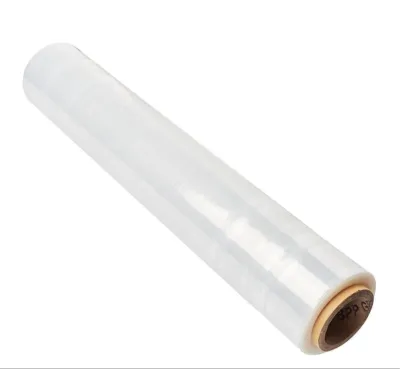
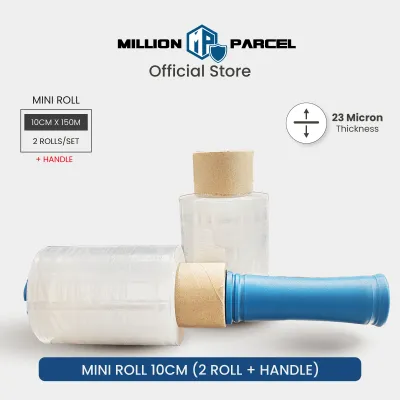
![🏅[CHEAPEST] Stretch Film/ Shrink Wrap / Cling Wrap /Pallet wrapping /Moving Supplies/pallet Wrap/Pallet wrapping](https://img.lazcdn.com/g/p/c69357eb04f4e35ac9ee2d124f108fda.jpg_400x400q80.jpg_.webp)
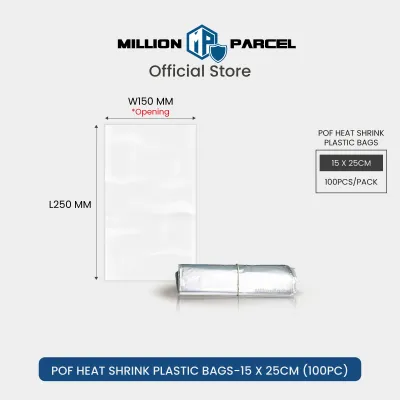
Prices are valid at publication and may change. Please refer to the product page for the latest price.
Shrink wrap is a polymer film that shrinks uniformly when heat is applied. During manufacturing, the plastic film is stretched and oriented; heating it activates its “polymer memory,” causing it to contract tightly around whatever it surrounds. This creates a drum-tight, tamper-evident, and highly protective barrier. It is the ideal choice for sealing individual retail products, books, stationery, and small boxes against dust, moisture, and handling wear.
Stretch wrap, conversely, is an elastic film designed to be pulled tightly around items. It relies on its inherent elastic recovery to exert a continuous compressive force, holding items together without the need for heat. Because it clings to itself but not to the wrapped items, it is the standard material for securing heavy boxes on pallets, bundling loose pipes or cords, and keeping cabinet doors closed during a move.
Using the wrong film can lead to immediate packaging failure. For example, attempting to shrink stretch wrap with a heat gun will simply melt holes in the plastic and compromise its structural integrity. Conversely, trying to secure a heavy pallet of boxes with shrink wrap without an industrial heat tunnel is highly inefficient and fails to provide the necessary lateral tension to prevent shifting during transit.
Best Wrapping Solutions for Shipping Parcels and Pallets
Selecting the right film for shipping depends on the size, weight, and transit risks of your cargo. Commercial shipping requires materials that can withstand rough handling, vibrations, and environmental changes during transport.

Bundling and Sealing Small Parcels (Shrink Wrap)
For individual retail products, books, stationery, or multi-packs, polyolefin (POF) shrink wrap is the industry standard. It is exceptionally clear, making it ideal for retail presentation, and it does not emit harmful or corrosive fumes when heated. Polyolefin is also highly puncture-resistant and flexible, ensuring that small parcels remain pristine from the warehouse to the customer’s doorstep.
Polyethylene (PE) shrink wrap is much thicker and tougher, commonly used for bundling heavy items like beverage cans, large industrial components, or bulk paper goods. Unlike POF, PE does not offer high optical clarity, but its superior strength is necessary for heavy-duty bundling.
To apply these films, you will need compatible sealing and heating equipment. A simple hand-held impulse sealer cuts and seals the film, while a variable-temperature heat gun shrinks it. For high-volume shipping, a motorized shrink tunnel provides consistent, automated results. Always verify the manufacturer’s recommended heating temperatures (typically between 120°C and 170°C) to prevent burning through the film or damaging the enclosed product.
Securing Pallets and Heavy Cartons (Stretch Wrap)
When preparing bulk shipments on pallets, stretch wrap is the correct choice. It keeps multiple cartons unified and prevents shifting during transit.
Cast stretch film is produced by extruding the polymer through a flat slot die. It is highly transparent, stretches easily, and unwinds very quietly, making it ideal for busy warehouse environments. It offers excellent cling on both sides, making it easy to secure quickly.
Blown stretch film is made by blowing a giant bubble of molten plastic. It has superior puncture resistance and a high holding force, which is essential for heavy, irregular, or sharp-edged loads. However, it is noisier to unwind and less transparent than cast film.
When wrapping pallets, maintaining proper tension is critical. Under-stretching leads to load shifting, while over-stretching can crush delicate cardboard boxes. To prevent the film from tearing on sharp corners, verify the placement of cardboard edge protectors before wrapping.
Protecting Items in Long-Term Storage: Dust and Moisture Defense
For items heading into long-term storage, such as document archives, electronics, or books, shrink wrap offers a superior, airtight barrier against dust, pests, and ambient moisture. By completely sealing the item, you prevent fine dust particles from settling into delicate components or paper fibers.
However, Singapore’s high humidity presents a unique challenge. If you wrap an item that contains even a small amount of residual moisture, the airtight seal of shrink wrap will trap that moisture inside. As temperatures fluctuate inside a storage unit, this trapped moisture condenses, creating a perfect breeding ground for mold and mildew.
To prevent this, ensure all items are completely dry before wrapping. It is highly recommended to place silica gel desiccant packs inside the packaging to absorb any residual moisture. For large wooden furniture, leather goods, or mattresses, avoid sealing them completely in non-breathable plastic wraps. Trapped moisture can ruin wood finishes and rot leather. Instead, use breathable fabric covers or specialized, ventilated storage wraps. Always check the manufacturer’s care instructions for high-value items before deciding on a storage wrap.
Additionally, if your storage area has windows or exposure to natural light, verify whether the wrapping film has UV-inhibiting (UVI) additives. Standard plastics degrade quickly under UV exposure, becoming brittle and yellowed, whereas UVI-treated films remain stable for much longer.
Securing Furniture and Boxes for a Smooth Move
When preparing for a household relocation, protecting furniture from scratches and keeping moving parts secure are top priorities.
Never use heat shrink wrap on furniture. The high temperatures required to shrink the film can permanently damage wood finishes, melt synthetic upholstery, warp plastics, or cause adhesives in veneered furniture to fail.
Instead, use specialized furniture stretch wrap. This film is designed to be low-tack and residue-free, meaning it clings tightly to itself but will not stick to or damage the surfaces of your furniture.
When wrapping furniture, use systematic techniques. Wrap table and chair legs individually with a few layers of stretch wrap to prevent wood-on-wood friction during transit. Secure cabinet doors and drawers by wrapping around the entire unit horizontally.
Avoid wrapping leather or delicate fabrics directly with plastic film, as heat and friction during the move can cause the plastic to bond with the material. Place a protective layer of moving blankets or heavy-duty packing paper over the furniture first, then secure the blankets in place with stretch wrap.
If you are unsure about how a particular finish will react to stretch wrap, always test a small, hidden area of the furniture first before wrapping the entire piece.
Key Specifications to Check Before You Buy
To ensure you select the right wrapping material, pay close attention to the technical specifications listed on the product packaging or online listing.
- Thickness (Microns or Gauge): Film thickness dictates strength and puncture resistance. Light-duty wraps are typically 12 to 15 microns (50 to 60 gauge), suitable for small boxes and lightweight items. Medium-duty wraps range from 17 to 20 microns (70 to 80 gauge), which is the standard for general moving and shipping. Heavy-duty applications require 23 to 30 microns (90 to 120 gauge) to handle sharp corners and heavy pallet loads.
- Material Type: Ensure you choose the correct polymer. Polyolefin (POF) is best for clear, food-safe retail packaging. Polyethylene (PE) is ideal for heavy industrial bundling. Linear Low-Density Polyethylene (LLDPE) is the standard for stretch wrap. Avoid Polyvinyl Chloride (PVC) unless you have a well-ventilated workspace, as it releases trace hydrochloric acid fumes during heat sealing.
- Roll Width: Hand rolls are available in various widths. Narrow rolls (100mm to 250mm) are perfect for bundling small items like pens, notebooks, or cables. Standard wide rolls (450mm to 500mm) are necessary for wrapping large boxes, pallets, and furniture.
- Core Type: Check the inner core diameter. A standard 3-inch (76mm) core is compatible with most hand-held dispensers. Some rolls feature extended cardboard cores that act as built-in handles, eliminating the need for a separate dispenser.
- Equipment Compatibility: Verify if the film requires additional tools. Shrink wrap always requires a heat gun and a sealer, while stretch wrap is easiest to apply with a tension-control dispenser. Check the manufacturer's stated temperature thresholds for shrink films to ensure your heat gun can reach the required activation temperature without melting the material.
Frequently Asked Questions (FAQ)
Can I use a standard hairdryer instead of a heat gun for shrink wrap?
No, a standard household hairdryer is generally not suitable for shrink wrap. Hairdryers are designed to operate at lower temperatures (usually under 60°C to prevent hair damage) and focus on high airflow. Shrink films like POF and PVC typically require temperatures between 120°C and 150°C to activate the polymer’s shrink memory. Using a hairdryer will result in uneven shrinking, weak seals, or a cloudy, loose finish. For reliable, professional results, use a dedicated variable-temperature heat gun.
Will shrink wrap or stretch wrap leave sticky residue on my furniture?
High-quality stretch wrap and shrink wrap do not contain adhesives; they rely on static cling or heat tension to stay in place, so they should not leave a sticky residue. However, if standard industrial stretch wrap is wrapped directly onto finished wood or leather and left in a hot, humid environment (such as a Singapore storage facility) for several months, the plasticizers in the film can migrate. This chemical migration can leave a hazy, sticky film or damage the lacquer. To prevent this, use specialized low-tack moving wrap, or place a protective layer of moving blankets or packing paper between the furniture and the plastic.
How do I safely dispose of or recycle used plastic wraps?
Most clean shrink wraps (POF, PE) and stretch wraps (LLDPE) are classified as Category 4 (LDPE) soft plastics, which are highly recyclable. However, they should not be placed in standard household blue recycling bins if they are contaminated with dirt, heavy packing tape, or paper labels. To recycle them safely, remove all non-plastic contaminants, bundle the clean wraps together, and deposit them at dedicated soft-plastic recycling collection points, which are commonly found at major supermarkets and community hubs.
Community discussion
Share your experience or ask a question. Comments are reviewed before publication.