
Selecting the correct sewing tape is a fundamental step in achieving a professional, durable finish on any textile project. Rather than treating these tapes as interchangeable accessories, you must evaluate them based on their unique structural properties and intended applications. Choosing the wrong tape can lead to puckered seams, restricted fabric movement, or premature wear, while the right selection ensures your garment or home textile item maintains its shape and appearance through years of use.
To make an informed decision, you must diagnose your fabric’s specific needs—whether it requires flexible contouring, invisible hemming, or heavy-duty reinforcement. By understanding the mechanical differences between bias tape, hem tape, and twill tape, you can confidently select the correct material for your sewing task. This guide outlines how to assess your project requirements and apply each tape type effectively to avoid common sewing failures.
Diagnose Your Project: What Does the Fabric Need?
Before reaching for any roll of tape, analyze the mechanical demands of your fabric and the specific zone you are sewing. Ask yourself if the primary goal is to encase a raw edge to prevent fraying, create a clean hem without visible stitches, or reinforce a high-stress seam. Each of these tasks requires a completely different weave and material behavior, meaning a tape that works perfectly for one application will fail in another.
Products mentioned in this guide
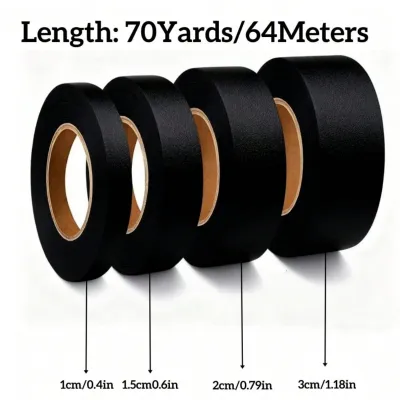
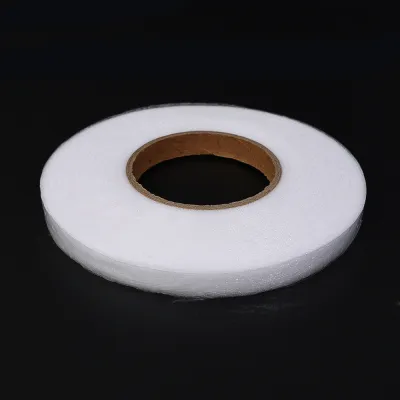
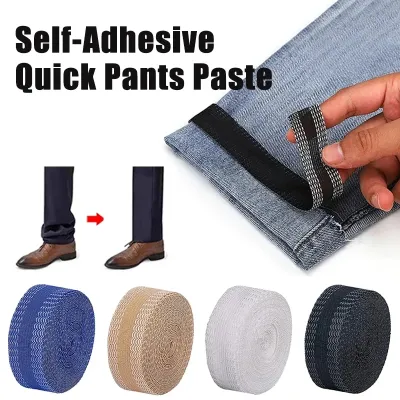
Prices are valid at publication and may change. Please refer to the product page for the latest price.
Next, evaluate the physical characteristics of your fabric, focusing on its weight, stretch, and drape. A stretchy knit or a lightweight woven fabric behaves differently than a heavy canvas or denim, and the tape you choose must complement these properties. If your project features curved lines, such as a rounded neckline or a scalloped hem, the tape must be able to bend and stretch along those curves without puckering. Straight edges, on the other hand, require stability to prevent them from stretching out of shape during wear or washing.
Finally, consider the aesthetic requirements of the finished piece to determine if the tape should be visible or hidden. Decide whether the tape should serve as a visible decorative accent, remain completely hidden within the garment’s interior, or act as a purely utilitarian support. For instance, a visible contrast binding on a baby blanket requires a different approach than an invisible hem on a pair of formal trousers.
Choose Bias Tape for Curves and Flexible Binding
Bias tape is cut on a 45-degree angle relative to the fabric’s selvage, which gives it a unique diagonal stretch. This inherent elasticity allows the tape to curve smoothly around rounded edges without bunching, wrinkling, or distorting the fabric. If your project features curved necklines, armholes, pocket openings, or scalloped hems, bias tape is the ideal choice to achieve a flat, professional finish.

Using bias tape allows you to encase raw fabric edges cleanly, protecting them from fraying while maintaining a lightweight profile. It works exceptionally well on both woven and knit fabrics, providing a neat border that moves naturally with the garment. Because it is pre-folded, it simplifies the process of binding edges where a traditional turned hem would be too bulky or difficult to sew.
When selecting bias tape, you must choose between single-fold and double-fold varieties based on your desired finish. Single-fold bias tape has its edges folded toward the center on one side and is typically used as a facing, meaning it is pressed flat to the inside of the garment and remains invisible from the outside. Double-fold bias tape is a single-fold tape folded in half again; it wraps around the raw edge of the fabric, showing equally on both the inside and outside of the project, making it perfect for visible edge binding on quilts, aprons, and necklines.
Select Hem Tape for Clean Hems and No-Sew Fixes
Hem tape is designed specifically to secure hems quickly and discreetly, making it the go-to solution when visible stitch lines would ruin the clean look of a garment. It is highly effective for shortening trousers, adjusting skirt lengths, fixing dropped hems on the go, or securing interior facings. By eliminating the need for external stitching, hem tape preserves the clean drape of formal wear and delicate garments.
Most modern hem tapes rely on heat-activated adhesives that melt under the heat of a household iron to fuse two layers of fabric together. Before applying this tape, you must verify that your base fabric can withstand the necessary iron temperature without scorching, glazing, or melting. Delicate synthetics, sheer silks, and heavily textured fabrics require extreme caution, as excessive heat can permanently damage the fibers or cause the adhesive to bleed through to the visible side.
You should also evaluate the long-term durability and washability requirements of the item. In warm, humid climates like Singapore, frequent washing is common, which can accelerate the breakdown of temporary adhesives. While some fusible web tapes are formulated to withstand repeated machine washings and dry cleaning, others are temporary or may degrade over time when exposed to hot water and harsh detergents. For garments that undergo frequent laundering, checking the manufacturer’s specifications on the tape packaging is essential to ensure the bond remains secure throughout the garment’s lifespan.
Pick Twill Tape for Reinforcement and Sturdy Ties
Twill tape is a heavy-duty, warp-faced utility tape woven in a characteristic herringbone pattern, designed specifically for structural reinforcement. Its primary function is to stabilize high-stress areas of a garment that are prone to stretching out of shape over time. Sewing twill tape into shoulder seams, waistbands, necklines, and behind buttonhole plackets ensures that these areas retain their original dimensions even after repeated wear and pulling.
Beyond internal stabilization, twill tape is highly functional for external utility applications. Its strength and durability make it an excellent choice for creating sturdy apron ties, drawstrings for bags or trousers, casing channels for elastic, and heavy-duty hanging loops for coats. Because it is typically made from cotton, linen, or polyester, it can handle significant tension and friction without tearing or fraying.
However, you must verify that your intended application involves only straight lines or very gentle angles. Unlike bias tape, twill tape is woven along the straight grain of the fabric, meaning it has absolutely no diagonal stretch or give. Attempting to force twill tape around tight curves will result in severe puckering and distortion, so its use should be strictly limited to straight seams and structural ties.
Verify Fabric Compatibility and Care Limits
To ensure your project remains intact over time, you must cross-reference the care requirements of both the tape and the base fabric. If you sew a high-shrinkage cotton twill tape onto a pre-shrunk synthetic garment, the tape may shrink during the first wash, causing the seam to pucker and distort permanently. Always pre-wash any sew-in tapes made of natural fibers to match the shrinkage rate of your pre-washed garment fabric.
When working with heat-activated adhesive hem tapes, always perform a test application on a small scrap of your project fabric first. This trial allows you to calibrate your iron’s temperature and pressing time, ensuring the adhesive melts fully without scorching the fabric or leaving unsightly residue. It also helps you observe if the adhesive alters the drape or stiffness of the fabric in an undesirable way.
If your project involves highly delicate, dry-clean-only, or heavily textured fabrics like velvet or lace, stop and consult the pattern instructions or fabric manufacturer guidelines before applying any tape. Some delicate fibers cannot tolerate the heat or pressure required for fusible tapes, while textured surfaces may prevent the adhesive from forming a secure bond. In these specialized cases, traditional hand-sewing or alternative stabilization methods are often necessary to preserve the integrity of the material.
Frequently Asked Questions (FAQ)
Can I use twill tape instead of bias tape on a curved edge?
No, you should generally avoid using twill tape on curved edges. Because twill tape is woven on the straight grain, it lacks the diagonal stretch required to bend smoothly around curves, which will cause the fabric to pucker, ripple, and distort. The only exception is when you are intentionally trying to stabilize a very shallow curve to prevent it from stretching at all, but for any finished, visible curved edge, you must use bias tape to ensure a flat and clean result.
Is hem tape permanent after washing?
The permanence of hem tape depends heavily on the adhesive quality, water temperature, and detergent used during laundering. While many high-quality fusible web tapes are designed to survive multiple machine washes, frequent exposure to hot water and heavy-duty tumble drying can eventually break down the adhesive bond. Always check the specific product packaging for wash limits, and if a hem begins to lift, you can often re-activate the adhesive temporarily with a warm iron or apply a fresh strip of tape.
Community discussion
Share your experience or ask a question. Comments are reviewed before publication.