
Finding the right sashiko kit as a beginner in Singapore can feel overwhelming given the variety of options available online and in local craft boutiques. Since “best” depends on your learning style and budget, there is no single winning brand. Instead, the ideal sashiko kit for a beginner balances clear, multi-language instructions with pre-printed fabric and high-quality, easy-to-thread needles. This guide compares the main types of sashiko kit brands available to crafters, helping you evaluate instruction clarity, material quality, and overall value to make the right choice.
Key Factors When Comparing Sashiko Kit Brands
Sashiko relies on precise geometric patterns, making the initial setup crucial for a successful project. For a beginner, instructions must clearly explain the order of stitching, such as completing horizontal lines first, followed by vertical, and finally diagonal paths. Look for step-by-step diagrams that show how to turn corners without pulling the thread too tight, along with clear stitch length guides.
Traditional sashiko requires transferring intricate patterns onto fabric, which can be tedious and prone to errors for novices. Beginner-friendly kits feature pre-printed patterns directly on the fabric. These lines should be water-soluble, meaning they wash away completely once the stitching is finished. Always verify that the pattern is printed with washable ink rather than permanent dye, and avoid ironing the fabric before washing, as heat can set the ink permanently.
Products mentioned in this guide
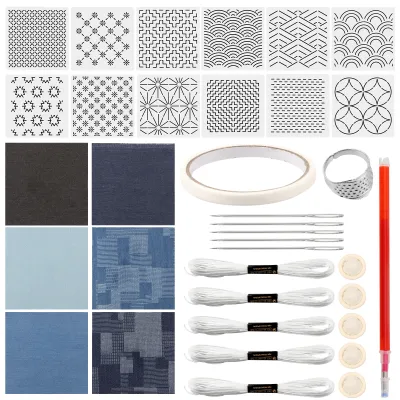
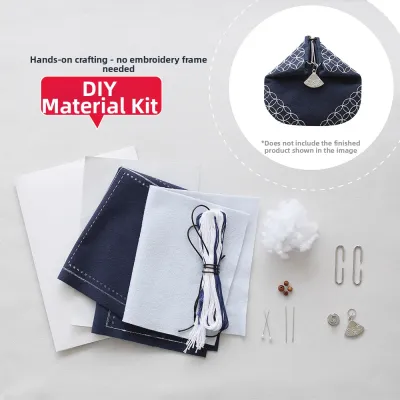
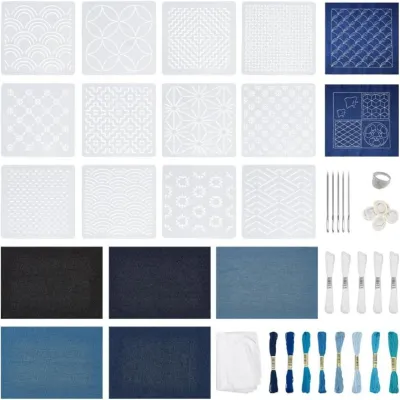
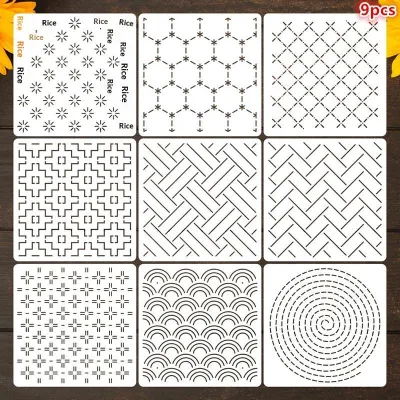
Prices are valid at publication and may change. Please refer to the product page for the latest price.
A complete kit should save you from making secondary purchases. It must include a specialized sashiko needle, which is longer and stiffer than a standard embroidery needle, allowing you to load multiple stitches at once. It should also provide a compatible thimble and sufficient thread in the correct weight to complete the entire design without running short.
Comparing Sashiko Kit Profiles for Beginners
Understanding the different categories of kits available on the market helps set realistic expectations for quality, instruction clarity, and price. Most kits fall into one of three distinct profiles, each catering to different priorities.

Traditional Japanese Heritage Kits
These kits are produced by established Japanese manufacturers known for authentic needlework supplies. They feature authentic materials like indigo-dyed cotton and pure cotton thread, which offer a traditional matte finish and excellent durability. However, beginners may face language barriers, as the printed instructions are often entirely in Japanese, relying heavily on visual diagrams. They also command higher price points, often ranging from S$25 to S$40, reflecting specialized manufacturing and import costs.
Modern International Craft Brands
Designed specifically for the global crafting and stationery market, these kits prioritize accessibility. They feature comprehensive English instructions with detailed stitch guides and troubleshooting tips. The tools included are often modernized for ease of use, such as easy-thread needles with larger eyes or adjustable thimbles. They also offer standardized pattern sizes and modern color palettes that appeal to contemporary home decor trends.
Budget-Friendly Marketplace Kits
Commonly found on e-commerce platforms and online marketplaces, these unbranded or generic kits are highly accessible, often costing under S$15. While they offer a low-cost entry point to test your interest in the hobby, the material quality is highly variable. Buyers must carefully check product descriptions to verify if the fabrics are pure cotton or synthetic blends, which can be difficult to stitch. Additionally, these kits often feature minimal printed instructions, requiring you to supplement your learning with external video tutorials.
Evaluating Material Quality and Tool Compatibility
When selecting a sashiko kit, the physical components directly impact your stitching experience. First, inspect the fabric and thread specifications. Look for labels indicating 100% cotton for both the backing cloth and the thread. Pure cotton fabric provides the necessary friction to hold the stitches in place, while pure cotton thread resists shredding as it is repeatedly pulled through the cloth. Synthetic blends or low-quality polyester threads tend to fray, tangle, or stretch unevenly, which ruins the clean, geometric lines characteristic of sashiko.
Next, examine the needle specifications. A true sashiko needle has a distinct design: a very sharp tip, a long and rigid shaft, and a relatively large eye. The long shaft is essential because the traditional sashiko technique involves gathering multiple running stitches onto the needle before pulling the thread through. If the needle is too short or bends easily, you will struggle to maintain consistent stitch lengths. Ensure the needle eye is large enough to accommodate the thick, un-stranded sashiko thread without causing the thread to bunch up or shred at the eyelet.
Finally, consider the thimble type included in the kit. Traditional sashiko utilizes a metal ring or coin thimble worn on the palm or the base of the middle finger. This allows you to push the back of the needle using the strength of your palm rather than your fingertips. However, in Singapore’s warm and humid climate, metal thimbles can easily slip due to perspiration, causing discomfort for beginners. If the kit includes a traditional metal thimble, you may want to compare it against adjustable leather or silicone alternatives, which offer better grip, breathability, and comfort during long crafting sessions.
Decision Framework: Which Kit Profile Should You Choose?
To finalize your choice, align your selection with your personal priorities, budget, and learning style.
Choose Traditional Japanese Kits if you prioritize authentic materials, value historical accuracy, and are comfortable learning from visual diagrams or using translation apps for the text. These kits are ideal if you want to create heirloom-quality pieces and do not mind paying a premium.
Choose International Craft Brands if you need detailed English instructions, prefer a complete, frustration-free unboxing experience, and want modern color schemes that fit seamlessly into contemporary spaces. This is the safest route for absolute beginners who want a guided, step-by-step introduction.
Choose Budget Marketplace Kits if you are simply testing your interest in sashiko, want to practice basic stitches without a significant financial commitment, and are happy to follow along with online video tutorials to make up for sparse printed instructions.
Regardless of the profile you choose, always verify first if the product listing specifies the exact fabric composition and needle dimensions. Avoid kits with vague material descriptions like “high-quality fiber” or “standard needle,” as these often indicate synthetic materials that make learning the craft unnecessarily difficult.
Where to Source and What to Verify Before Checkout
Finding these kits in Singapore involves exploring both physical and digital retail channels. Local craft and stationery stores, particularly those specializing in Japanese imports or needlework, often stock a curated selection of traditional heritage kits. Specialized needlework boutiques are excellent for sourcing high-quality international brands and authentic threads. For a wider variety of budget-friendly options, reputable sellers on online marketplaces offer extensive catalogs.
Before checking out, perform a few essential pre-purchase checks. Read recent buyer reviews to confirm that all advertised components—especially the needle and thread—are included in the package. Verify the pattern size to ensure it matches your intended project; some kits are designed for small coasters (around 10×10 cm), while others are meant for larger table runners or tote bags.
Lastly, keep local cost considerations in mind. While a budget kit might cost under S$10, importing specialized heritage kits from overseas sellers can incur high shipping fees that double the total price. Look for local distributors or consolidated shipping options to keep your hobby cost-effective.
Frequently Asked Questions (FAQ)
Do I need to buy a special sashiko thimble to use these kits?
While not strictly mandatory for your very first stitches, a sashiko thimble is highly recommended as you progress. Its primary function is to protect your palm or finger and provide leverage when pushing the long needle through multiple layers of folded fabric. If the traditional metal coin thimble included in some kits feels awkward or slips off in Singapore’s humid weather, you can easily substitute it with an adjustable leather or silicone thimble. These alternatives conform better to your hand shape and provide a non-slip grip, making the learning process much more comfortable.
Can I use regular embroidery floss instead of sashiko thread?
You can use regular embroidery floss for practice, but it will not yield the same visual or structural results as dedicated sashiko thread. Standard embroidery floss is designed to be split into individual strands and has a distinct mercerized sheen. In contrast, sashiko thread is matte, non-divisible, and tightly twisted to prevent fraying. This tight twist gives sashiko its characteristic defined, plump stitches that sit proudly on top of the fabric. Using embroidery floss can result in a flatter appearance and may cause the thread to snag or wear down quickly under the friction of the heavy cotton fabric.
Community discussion
Share your experience or ask a question. Comments are reviewed before publication.