
To ship fragile items safely, selecting the correct protective envelope bag requires matching the packaging to the item’s specific vulnerability, weight, and transit conditions. For moisture-sensitive or semi-fragile items, poly bubble mailers offer excellent weather protection, while rigid mailers prevent bending for flat items, and kraft bubble mailers provide puncture resistance. However, extremely delicate, heavy, or irregularly shaped goods require upgrading to a corrugated box. Understanding these differences ensures your items arrive intact while keeping shipping costs manageable.
Step 1: Diagnose Your Item's Protection Needs
Before selecting an envelope bag, you must evaluate the physical traits of the item you plan to ship. Start by measuring the item’s maximum length, width, and thickness. Always add at least two to three centimeters of clearance on all sides to account for the thickness of the envelope’s built-in padding. If the envelope is too tight, the tension pulls the seams taut, making them highly susceptible to bursting under the pressure of other packages during transit.
Next, assess the fragility level of your goods. Brittle materials like glass, ceramics, or delicate electronic circuit boards have zero flexibility and will shatter upon direct impact. In contrast, semi-fragile items like bound books, heavy-duty plastic cosmetics, or metal tools can withstand minor drops but still require protection against scuffs, dents, and corner damage. Matching the cushioning thickness to the item’s fragility prevents under-packaging.
Products mentioned in this guide
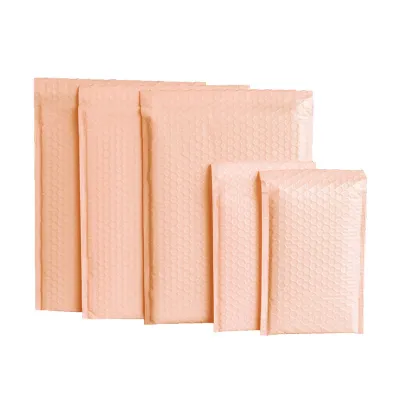
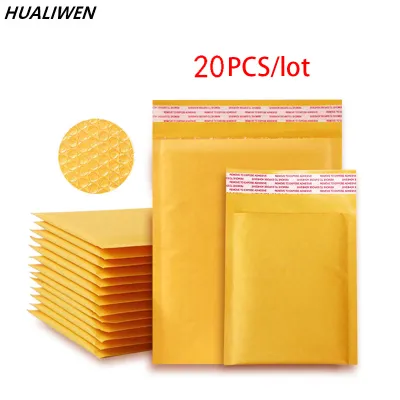
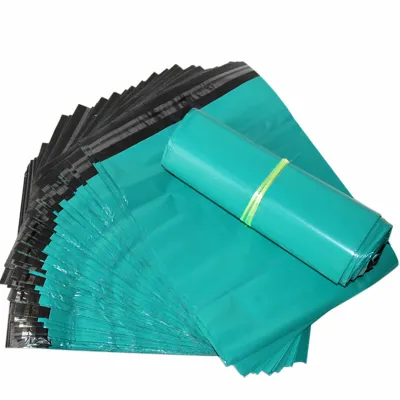
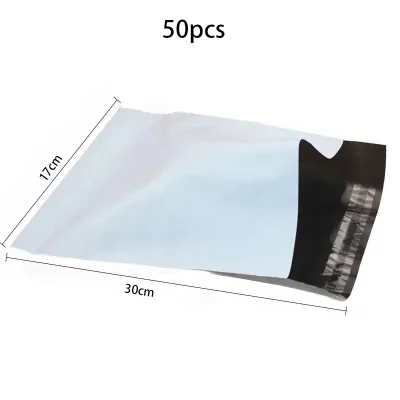
Prices are valid at publication and may change. Please refer to the product page for the latest price.
Finally, consider the transit variables your package will encounter. A package traveling a short distance via a direct courier service faces fewer touchpoints than one sent through international postal networks. Each transfer between sorting facilities, delivery vans, and conveyor belts increases the risk of drops. Additionally, environmental factors like high humidity, which is common in tropical climates like Singapore, can soften paper-based mailers, making them less rigid and more prone to tearing if not properly selected.
Step 2: Evaluate Protective Envelope Bag Options
Poly bubble mailers are constructed from co-extruded polyethylene, making them highly resistant to water, tears, and punctures. This plastic exterior is particularly valuable for protecting items from sudden rain showers or damp sorting environments. Because they are incredibly lightweight, they help minimize shipping costs while providing excellent, flexible cushioning for semi-fragile items like jewelry, cosmetics, or small electronic accessories.

Kraft bubble mailers combine a tough, classic paper exterior with an inner bubble lining. The paper surface provides excellent puncture resistance against external objects and offers a clean, professional aesthetic that is easy to write on or label. These mailers are highly suitable for standard fragile goods, such as small books, CD cases, or packaged crafts, which require reliable shock absorption without the need for heavy-duty weatherproofing.
Foam or padded paper mailers utilize alternative cushioning materials like shredded paper fibers or thin foam sheets. These mailers excel at surface protection, preventing scratches, abrasions, and scuffs on delicate finishes, polished metals, or glass screens. Padded paper options are also highly favored by eco-conscious shippers, as they are often fully recyclable and biodegradable while still offering substantial impact protection.
Rigid or corrugated mailers are made from thick, heavy-duty cardstock or fiberboard designed specifically to resist bending and folding. Unlike bubble mailers, they do not rely on air-filled cushioning. Instead, their stiff structure keeps flat, easily creased fragile items—such as photographs, certificates, art prints, or thin acrylic sheets—perfectly flat and secure, preventing bent corners and creased surfaces during transit.
Step 3: Decide When to Upgrade from an Envelope Bag to a Box
While an envelope bag is highly convenient and cost-effective, certain shipping scenarios demand the structural integrity of a corrugated box. Weight is one of the most critical indicators for an upgrade. Heavy items, even if relatively small, put immense pressure on the bottom and side seams of a mailer. During handling, the momentum of a heavy object can easily split the seams or tear through the adhesive strip of an envelope bag.
High-value or extremely brittle items, such as delicate glassware, porcelain figurines, or complex electronic components, require multi-axis cushioning. Envelope bags compress flat under weight, meaning they offer minimal protection against heavy crushing forces from other parcels in a delivery pile. A corrugated box allows you to surround the item with loose void fill, ensuring it remains suspended away from the outer walls and protected from all angles.
Irregularly shaped items with sharp corners or protruding parts are also poor candidates for envelope bags. These protrusions concentrate pressure on a single point of the envelope wall, easily puncturing the plastic or paper exterior. Once the outer layer is breached, the item is exposed to moisture, dirt, and direct impact, making a sturdy box with internal wrapping a much safer alternative.
Pre-Shipping Inspection and Sealing Checklist
Before handing your package over to the courier, perform a quick physical inspection. Gently shake the sealed envelope bag; the item should not shift excessively inside. If it slides around, the built-in padding cannot distribute shock evenly, and you may need to add filler.
Inspect the self-adhesive strip on the flap. In warm, humid environments, adhesive backings can sometimes lose their grip. If the item is dense or the seal feels slightly weak, reinforce the flap and the side seams with high-quality packaging tape to prevent accidental opening.
Finally, apply the shipping label. Ensure it lies completely flat on a smooth surface of the envelope bag. Avoid placing the label over seams, edges, or the fold line of the flap, as creases can distort the barcode and cause scanning errors at sorting facilities.
Frequently Asked Questions (FAQ)
Can I reuse a protective envelope bag for shipping fragile items?
Reusing an envelope bag is acceptable for non-fragile items, but it is generally discouraged for fragile goods. Over time, the internal plastic bubbles deflate, and paper padding compresses, significantly reducing shock absorption. If you must reuse one, inspect it thoroughly to ensure the padding is fully intact, the outer layer is free of tears, and you seal it securely with fresh packaging tape.
Do I need to add extra bubble wrap inside a padded envelope bag?
Yes, adding supplementary bubble wrap is highly recommended for items with sharp corners, uneven surfaces, or high breakability. This extra layer provides localized protection where the item is most vulnerable. However, avoid overstuffing the envelope bag, as excessive bulk stretches the seams and compresses the built-in padding, which actually reduces its overall protective capability.
Community discussion
Share your experience or ask a question. Comments are reviewed before publication.