
Choosing the right paint container depends on your specific paint medium, the scale of your project, and how you manage your workflow. A watercolorist working on delicate washes needs a completely different setup than a crafter using heavy-body acrylics or slow-drying oils. By matching your container to your medium’s drying time, solvent needs, and cleanup requirements, you can prevent wasted paint and keep your workspace organized.
Diagnose Your Paint Medium and Mixing Requirements
Your choice of paint container starts with the chemical and physical properties of your medium. Water-based paints like watercolors, gouache, and acrylics behave differently from oil-based paints, and each places unique demands on your mixing surface.
Assess solvent resistance before pouring your paint. While water-based mediums are safe for almost any plastic, oil-based paints and their associated solvents, such as mineral spirits or turpentine, can degrade and warp certain thin plastics. If you work with oils, look for glass, ceramic, or specially treated solvent-resistant plastic containers to avoid structural damage and chemical contamination.
Products mentioned in this guide
Prices are valid at publication and may change. Please refer to the product page for the latest price.
Evaluate drying time and well depth to keep your paint workable. Fast-drying acrylics benefit from shallow surfaces where you can mist them with water, or wet palettes that supply moisture from below. Conversely, deep wells are excellent for fluid washes or slow-drying paints, as they concentrate the volume and reduce the surface area exposed to air, slowing down evaporation.
Calculate the mixing surface area your technique demands. If your craft involves complex color blending, you will need a broad, flat surface to spread and transition colors smoothly. For simple washes or projects using pure, unmixed colors directly from the container, small, confined wells are more efficient and prevent colors from running into one another.
Match Container Styles to Your Specific Workflow
Different container styles support different painting techniques, and selecting the right one depends on how you apply your paint.

Palettes are the traditional choice for active mixing, color blending, and testing paint consistencies. Flat hand-held or tabletop palettes work exceptionally well for acrylics and oils, allowing you to lay out a color spectrum and blend them freely. They give you the physical space needed to gauge how thick or transparent your paint is before it touches your craft surface. Wooden palettes are classic for oils but require seasoning with linseed oil, whereas plastic palettes are lightweight and affordable for beginners. Ceramic palettes offer a heavy, stable base that prevents accidental tipping and keeps watercolors from pooling.
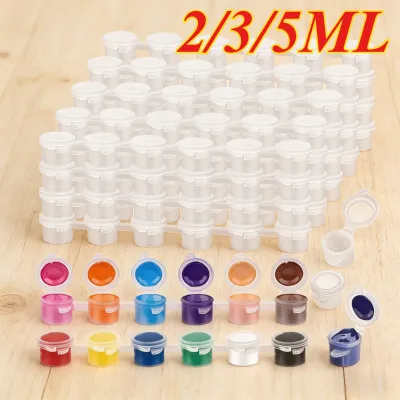
Paint cups and wells are well-suited for fluid washes, high-volume dilution, or keeping distinct colors separated. If you are working on large-scale craft projects, such as painting ceramic pots or wooden models, deep cups allow you to mix a generous amount of a single color without risk of spilling. Individual wells also prevent cross-contamination when you need to dip your brush repeatedly into pure, unblended hues. Individual paint cups with snap-on lids are excellent for storing custom-mixed acrylic shades for multi-day projects, while multi-well trays keep a wide palette of colors accessible at once.
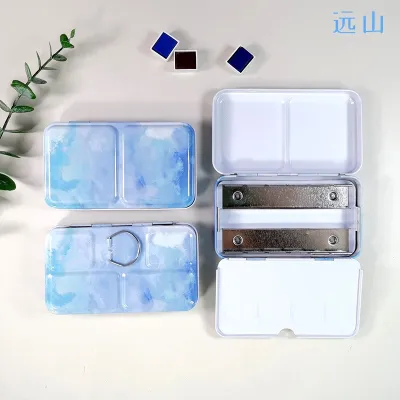
Storage tins and boxes are suited for organizing dry pans, holding paint tubes, or preserving leftover mixed paints. Many of these containers feature airtight seals or silicone gaskets that keep acrylics or gouache wet between crafting sessions. Airtight storage boxes with silicone seals are highly useful for acrylic painters who want to pause their work without wasting paint. For dry mediums, metal tins with folding mixing trays offer a compact way to carry watercolors without risking damage to the pans.
Evaluate Practical Constraints and Maintenance Effort
Beyond the paint itself, your physical workspace and cleanup habits will dictate which container fits your routine.
Consider your studio space versus travel dimensions. If you paint at a small desk in a typical Singapore apartment, a large, sprawling palette might clutter your workspace. A compact, stackable system or a leak-proof folding palette is much easier to manage. For outdoor sketching or crafting on the go, look for lightweight, pocket-sized tins with secure latches to prevent messy leaks in your bag.
Material cleanup is another major factor in long-term usability. Disposable paper palettes offer high convenience, allowing you to tear off and discard the used sheet when finished. If you prefer reusable options, ceramic and tempered glass surfaces are easy to scrape clean once paint dries, whereas standard plastics may require immediate washing with warm, soapy water to prevent stubborn residue.
Evaluate the storage footprint of your tools. If you have limited storage space, modular designs that stack neatly or nest inside one another help keep your craft area tidy. Look for containers that can serve double duty, such as a storage box with a lid that doubles as an extra mixing tray.
Decide Whether to Adapt, Upgrade, or Buy New
Before spending money on new supplies, evaluate whether your current setup can be adapted or if it is time for a dedicated upgrade.
You can often continue using or adapting what you already have if your projects are small or infrequent. For instance, clean plastic food containers, ceramic plates, or even heavy-duty wax paper can serve as temporary mixing surfaces. If you want to preserve acrylics for a day or two, placing a damp paper towel over your current palette and wrapping it in a reusable silicone food cover can work surprisingly well.
It is time to upgrade or replace your container when you notice physical wear that interferes with your work. Warping prevents a palette from sitting flat on your desk, leading to spills. Permanent staining can distort your perception of color, making it difficult to mix accurate shades. Most importantly, if solvents have begun to soften or pit your plastic containers, replace them immediately with glass or ceramic to avoid contaminating your paint with microplastics.
When you decide to buy, prioritize essential features over premium add-ons. Verify that the container’s dimensions and well sizes are compatible with your existing paint tubes or pans. You can find reliable options at local stationery shops or online craft stores, where checking the product specifications will help you choose a durable material that matches your medium.
Frequently Asked Questions (FAQ)
Can I use the same container for both acrylic and oil paints?
It is generally more practical to use separate containers for acrylic and oil paints. Porous materials like wood or certain plastics can absorb oils and solvents over time, which can later seep out and ruin the adhesion of water-based acrylics. If you must use a single container for both mediums, choose a non-porous surface like tempered glass or ceramic, which can be thoroughly cleaned and scraped free of all residues between sessions.
How do I prevent paint from permanently staining my palette?
To minimize staining, wash your reusable plastic containers immediately after your painting session before the pigment has time to bond with the surface. You can also use disposable palette paper sheets on top of your mixing tray, or apply a thin barrier spray designed for craft plastics. Choosing naturally stain-resistant materials like ceramic or glass will also eliminate staining issues entirely, ensuring your mixing surface remains clean and color-accurate.
Community discussion
Share your experience or ask a question. Comments are reviewed before publication.