
Selecting the right label sticker for your Niimbot printer depends entirely on where you plan to place the label and how long you need it to last. For basic indoor organization, temporary price tags, or file folders, standard thermal paper labels offer a highly cost-effective and straightforward solution. If you need to label items that face daily handling, light moisture, or frequent friction—such as kitchen spice jars or bathroom toiletries—synthetic labels provide the necessary tear resistance and durability. For extreme environments involving constant water exposure, freezing temperatures, or outdoor weathering, specialized waterproof labels are essential to ensure the text remains legible and the adhesive stays secure. Because exact performance characteristics, adhesive strengths, and material compositions vary across different product lines, always verify the environmental ratings and printer compatibility on the label packaging before making a purchase.
Understanding Niimbot Label Materials
To make an informed choice, it is helpful to understand the physical construction of these labels. Niimbot printers utilize direct thermal printing technology, which means the printer head applies heat directly to the label surface to activate a chemical color-change layer, eliminating the need for traditional ink or toner. However, the underlying material—known as the face stock—and the protective topcoat differ significantly among thermal paper, synthetic, and specialized waterproof options.
Standard thermal paper labels consist of a paper base coated with a heat-sensitive layer. This simple construction makes them lightweight and easy to print, but it leaves the paper fibers vulnerable to environmental factors. Without a robust protective barrier, moisture can easily penetrate the paper, causing it to warp, while friction or heat can trigger the thermal chemicals, leading to dark streaks or faded text.
Products mentioned in this guide
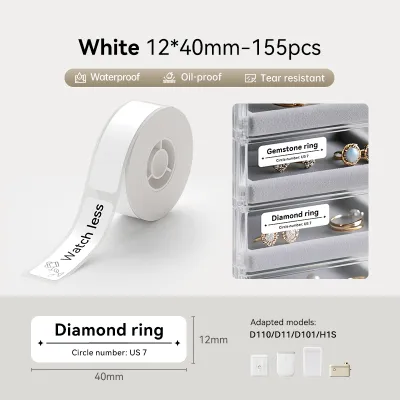
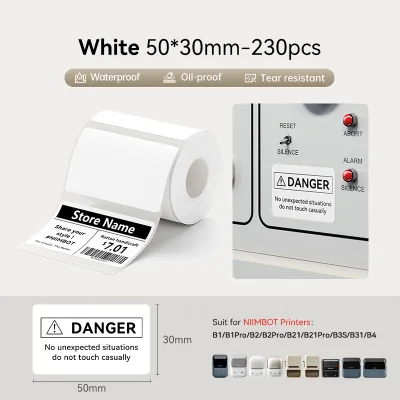
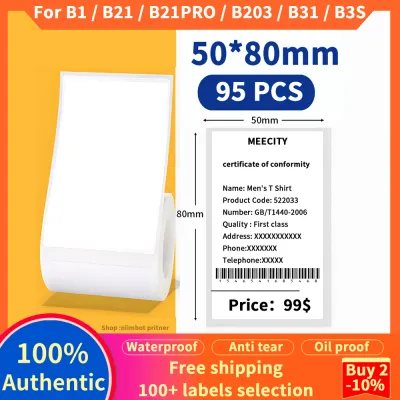
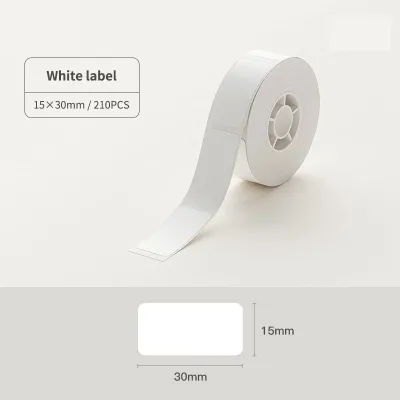
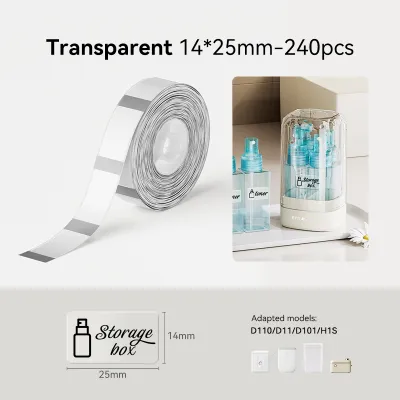
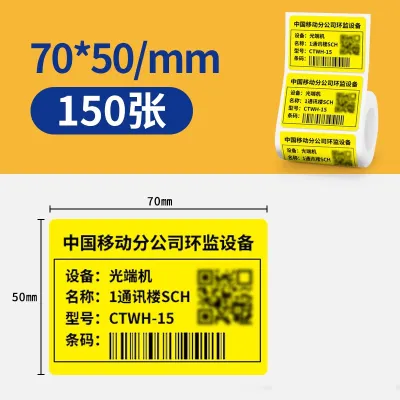
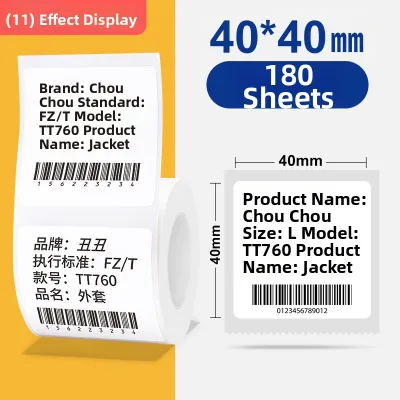
Prices are valid at publication and may change. Please refer to the product page for the latest price.
Synthetic labels, on the other hand, replace the paper base with synthetic polymers, typically polyethylene terephthalate (PET) or polyvinyl chloride (PVC). These plastic-based materials do not absorb moisture and are highly resistant to tearing. The thermal-sensitive chemistry is embedded beneath a protective topcoat, shielding the printed image from light scratches and minor exposure to oils or water.
Specialized waterproof labels take this protection a step further by utilizing advanced synthetic face stocks paired with heavy-duty, water-resistant adhesives. While standard synthetic labels might resist a light splash, true waterproof labels are engineered to withstand prolonged submersion, high humidity, and temperature fluctuations. The adhesive backing is specifically formulated to maintain its grip on wet or cold surfaces, preventing the edges from peeling. Because these material properties are highly dependent on the specific manufacturing run and product line, you should always check the product specifications on the packaging to confirm the exact environmental limits of your chosen roll.
Thermal Paper Labels: Ideal for Indoor and Short-Term Use
Standard thermal paper labels are the workhorses of temporary and low-exposure labeling. In a typical home or office setting, there are countless items that do not require heavy-duty protection. For instance, organizing document folders, labeling storage boxes in a dry closet, or marking temporary shipping packages are perfect applications for thermal paper. These labels are also widely used in retail environments for price tags and shelf labeling where items are rotated frequently.

However, the very technology that makes thermal printing so convenient—heat activation—is also the primary limitation of thermal paper. Because the paper relies on a chemical reaction triggered by heat, exposure to elevated temperatures will cause the entire label to darken, eventually rendering the text unreadable. This makes thermal paper highly unsuitable for items left in direct sunlight, near kitchen appliances, or inside hot vehicles parked under the sun.
Moisture and friction present additional challenges for standard thermal paper. If a paper label gets wet, the water weakens the paper fibers, causing the label to tear easily or peel away from the surface. Rubbing or scratching the surface can also generate enough localized friction heat to leave dark marks across your printed text.
To get the most out of your thermal paper labels, always check the manufacturer’s stated shelf life and recommended storage conditions on the label box. Keeping unused rolls in a cool, dry, and dark place will preserve their heat-sensitive properties. When applied to dry, indoor surfaces away from direct light and heat sources, these labels can remain clear and legible for several months, making them an economical choice for short-term organization.
Synthetic Labels: Durable Protection for Everyday Items
When your labeling needs extend to items that are handled daily or exposed to mild moisture, synthetic labels offer a significant upgrade in durability. Because they are made from plastic polymers like PET or PVC, synthetic labels do not tear when pulled and do not degrade when exposed to water. This makes them highly suitable for organizing high-use household items, such as kitchen spice jars, pantry containers, cosmetic bottles, and bathroom toiletries.
In a naturally humid climate like Singapore’s, standard paper labels can soften and peel over time simply from absorbing moisture from the air. Synthetic labels resist this atmospheric humidity, ensuring that your pantry organization remains neat and intact. They are also excellent for labeling indoor plant pots, where occasional watering or misting would quickly ruin standard paper tags.
Beyond water resistance, synthetic labels offer moderate protection against oils and mild household cleaning agents. If you label a bottle of olive oil or a hand soap dispenser, any accidental spills can usually be wiped away without smudging the printed text or dissolving the adhesive. The protective topcoat applied to these synthetic rolls helps lock in the thermal print, preventing everyday friction from wearing the text away.
While synthetic labels are highly durable, it is important to remember that they are not indestructible. The level of resistance to oils, chemicals, and physical wear can vary depending on the specific polymer blend and adhesive formulation used in the roll. Before applying synthetic labels to items that will undergo frequent washing or exposure to harsh substances, verify the material composition and adhesive strength listed on the product specifications.
Waterproof Labels: Maximum Resistance for Harsh Environments
For environments that push standard labels past their limits, specialized waterproof labels are required. These labels are engineered to survive extreme conditions that would cause standard synthetic labels to fail. Typical scenarios include labeling food containers destined for the freezer, water bottles that undergo frequent washing, outdoor gardening equipment, or items subjected to constant condensation.
The key difference between a standard synthetic label and a dedicated waterproof label lies in the combination of the face stock and the adhesive. A waterproof label must not only resist water absorption but also maintain a secure bond under wet conditions. Standard adhesives often lose their tackiness when water penetrates the edges, causing the label to slide off. Waterproof labels utilize specialized, high-tack adhesives designed to repel water and maintain a strong grip even on damp, cold, or slightly textured surfaces.
Temperature resistance is another critical factor for waterproof labels. If you are labeling containers for food prep or freezing, the label must withstand temperatures well below freezing without cracking or losing adhesion. Conversely, if the labeled item is a reusable water bottle that will be washed in hot water, the label must resist both the heat and the detergent without peeling or fading.
These high-performance capabilities do come with certain trade-offs. Waterproof label rolls generally carry a higher cost per roll compared to standard paper or basic synthetic options. Additionally, because the synthetic face stock is thicker and more heat-resistant, your Niimbot printer may require specific print density settings in the companion app to achieve a crisp, clear print. Always check the packaging for specific environmental ratings, temperature thresholds, and recommended printer settings to ensure optimal performance.
Decision Matrix: Matching the Label to Your Environment
To help you select the right material for your specific project, the following matrix outlines how each label type performs across common environmental conditions.
| Environment | Recommended Material | Expected Lifespan | Moisture Resistance | Tear Resistance | Verify First |
|---|---|---|---|---|---|
| Dry Indoor (Files, shelves, dry pantry) | Thermal Paper | Short to Medium (Months) | Low | Low | Check roll width compatibility in printer manual. |
| Humid Indoor (Bathrooms, kitchens, indoor plants) | Synthetic (PET/PVC) | Long (Years) | Moderate to High | High | Confirm synthetic material support in Niimbot app. |
| Wet & Cold (Freezers, water bottles, cold storage) | Waterproof | Long (Years) | High | High | Check adhesive temperature limits on packaging. |
| Outdoor (Garden tags, outdoor equipment) | Specialized Waterproof | Medium to Long | High | High | Verify UV resistance ratings on the label box. |
When using this matrix, remember that environmental factors often overlap. For example, a label used on a lunchbox will experience both moisture (from washing) and friction (from being carried in a bag). In such cases, always default to the more durable material option to prevent premature wear and ensure your labels remain legible over time.
Verifying Printer Compatibility and App Settings
Before purchasing any label roll, it is essential to verify that the physical dimensions and material type are fully compatible with your specific Niimbot printer model. Niimbot produces a variety of printer models, ranging from compact handheld label makers to larger desktop units. Each model has specific limitations regarding the maximum roll width and outer roll diameter it can accommodate. Attempting to force an oversized roll into a compact printer can jam the feed mechanism or damage the internal motor.
Once you have confirmed the physical dimensions, you must also ensure the printer’s software is configured correctly. When you load a new roll, open the Niimbot companion app on your mobile device and select the exact label template or material type that matches your roll. The app uses this information to adjust the printhead’s heat output and feed speed. Printing on a thick synthetic or waterproof label with settings intended for thin thermal paper may result in faint, incomplete text because the printhead did not apply enough heat to activate the thicker material’s thermal layer.
Conversely, using an excessively high heat setting on standard thermal paper can cause the text to bleed or even damage the delicate heating elements in the printhead. If your printer does not automatically recognize the roll via RFID or if the packaging lacks clear compatibility guidelines, do not attempt to force a print job. Stop and consult the manufacturer’s official support channels or user manual to verify compatibility and prevent permanent damage to your device.
Frequently Asked Questions (FAQ)
Can I use third-party label rolls in my Niimbot printer?
Many modern Niimbot printers utilize RFID technology built into the label roll core to automatically detect the label size, material, and remaining capacity. If you attempt to use a third-party label roll that lacks this RFID chip, the printer may display an error, limit your printing options, or refuse to print entirely. Additionally, using non-OEM consumables can result in poor print quality, uneven feeding, or adhesive residue buildup on the printhead, which might void your manufacturer’s warranty. Always check your specific printer manual for official statements regarding third-party compatibility before purchasing alternative brands.
How do I remove synthetic or waterproof labels without leaving residue?
Synthetic and waterproof labels are designed to stick firmly, but they can be removed cleanly if you follow the right process. Start by slowly peeling the label from one corner at a steady, acute angle; rushing can cause the adhesive to separate from the face stock and remain on the surface. If any sticky residue is left behind, apply a small amount of a mild, surface-safe adhesive remover, isopropyl alcohol, or eucalyptus oil to a soft cloth and gently wipe the area. Avoid using harsh solvents like acetone or paint thinners, especially on plastic or painted surfaces, as they can melt or discolor the material. Always test your chosen removal agent on an inconspicuous area first to ensure it does not damage the surface.

Community discussion
Share your experience or ask a question. Comments are reviewed before publication.