
Selecting the right Muji 2027 planner requires matching your daily scheduling density with the correct layout, paper size, and binding style. The ideal choice balances how much you write each day with how portable you need the book to be. Muji’s lineup spans minimalist monthly booklets, structured weekly layouts, and open-ended grid or blank formats. By evaluating your planning habits, pen preferences, and daily routine, you can select a planner that serves as a reliable productivity tool throughout the year.
Understanding the Core Muji Planner Layouts
The foundation of any planning system is its layout, which dictates how you visualize your time and organize your tasks. Muji offers several distinct formats to accommodate different levels of scheduling detail.
The monthly layout is the most streamlined option, featuring a classic grid calendar spread across two pages for each month. This format is designed for high-level overviews, allowing you to track major deadlines, travel dates, and key appointments at a glance. Because daily writing space is limited to a single small box per day, this layout is best suited for those who prefer a minimalist tracking style or use a digital calendar as their primary tool and want a physical backup.
Products mentioned in this guide
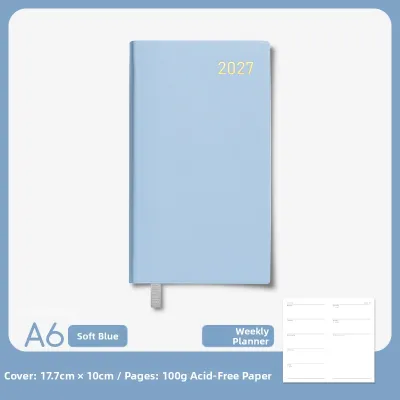
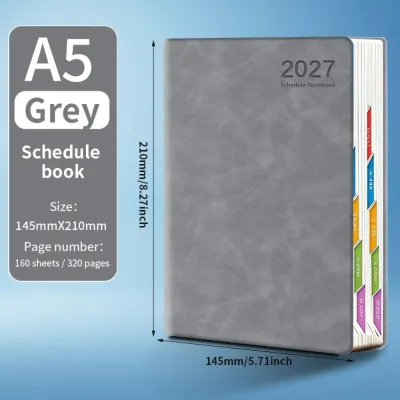
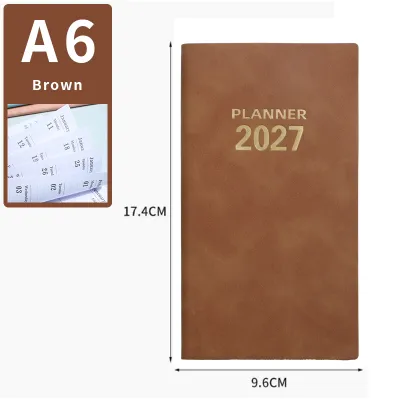
Prices are valid at publication and may change. Please refer to the product page for the latest price.
The weekly layout offers a balance between daily task lists and weekly goals, making it one of the most popular choices. This format typically comes in two variations: vertical time-blocking and horizontal split. The vertical layout features columns for each day, often marked with hourly intervals, which is ideal for managing back-to-back meetings, classes, or structured time-blocked schedules. The horizontal layout, on the other hand, splits the left page into daily blocks for appointments while leaving the right page as a lined or grid sheet for freeform notes, task lists, and weekly reflections.
For those who require extensive space for daily writing, the daily and diary layouts provide a dedicated page for each day. This format is highly suited for detailed scheduling, comprehensive meeting minutes, or personal journaling. While it offers the maximum amount of writing space, the increased page count results in a thicker, heavier book that is less convenient to carry daily but serves as an excellent desk companion.
Finally, the grid and blank variants cater to those who prefer complete creative freedom. These planners omit pre-printed dates and rigid structures entirely, allowing you to design custom bullet journal spreads, habit trackers, and modular layouts. They are highly adaptable, ensuring that no pages are wasted during quieter weeks when you have fewer tasks to record.
Key Physical Specifications to Check Before Buying
Beyond the layout, the physical attributes of a planner significantly impact its daily usability, portability, and compatibility with your favorite writing instruments.

Size is the first physical specification to consider. Standard dimensions like A5 (approximately 148 x 210 mm) and B6 (approximately 125 x 176 mm) offer a generous canvas for writing while still fitting comfortably into most backpacks and work bags. If portability is your primary concern, pocket-sized options like A6 (approximately 105 x 148 mm) and B7 (approximately 91 x 128 mm) are highly convenient for quick on-the-go logging, though they can feel restrictive for long-form writing. Consider your typical workspace; a smaller planner is often easier to manage on compact desks or in busy cafes.
Paper weight and texture are critical for a smooth writing experience. Muji planners are known for their smooth, high-quality paper, but the exact weight, measured in grams per square meter (GSM), can vary across different product lines. Smoothness, bleed resistance, and drying speed depend heavily on the exact combination of paper and ink. If you prefer using gel pens, ballpoints, or fountain pens, verifying the paper type and testing it beforehand is essential to minimize feathering and bleed-through.
The binding type determines how easily the planner opens and stays flat. Thread-sewn binding is highly durable and allows the planner to lie completely flat on a desk, ensuring comfortable writing even near the center gutter. This binding style also prevents pages from tearing out easily over a year of heavy use. Alternatively, wire-o or spiral binding allows you to fold the planner completely in half to save desk space, which is highly useful in tight environments, though the metal or plastic coils can sometimes interfere with your hand while writing.
Cover materials also play a vital role in protecting your planner from daily wear and tear. Flexible PVC covers offer excellent water resistance against accidental spills or high humidity, and they often feature built-in pockets for storing loose papers, receipts, or cards. Cardboard covers provide a lightweight, eco-friendly, and classic aesthetic, but they are more susceptible to frayed edges and water damage unless protected by an additional clear plastic sleeve.
Matching Planner Variants to Your Daily Workflow
To choose the perfect Muji planner, it helps to align the layout and specifications with your specific lifestyle, professional demands, or academic schedule.
The busy professional managing multiple projects, client meetings, and hourly commitments will find the weekly vertical layout highly effective. The vertical columns allow you to visualize your day chronologically, making it easy to spot open time slots and prevent over-scheduling. Pairing this layout with an A5 size ensures you have enough space to jot down meeting notes and action items alongside your daily timeline.
For students and academics, the weekly horizontal layout is often the most practical choice. Academic life is typically driven by assignment deadlines and exam dates rather than hourly appointments. The left-hand weekly view allows you to note down due dates, while the right-hand grid page provides a flexible space to outline study plans, list homework steps, and track project milestones. A portable B6 size fits easily onto lecture hall desks alongside a laptop or tablet.
The bullet journalist or creative planner should look toward the dotted grid or blank variants. If you find pre-printed calendars restrictive or feel guilty when leaving dated pages blank, these formats offer the ultimate flexibility. You can use them to design custom weekly spreads, track daily habits, sketch, or write reflective journal entries. This format adapts to your changing needs throughout the year, serving as a planner, sketchbook, or diary as required.
The minimalist tracker who primarily relies on digital calendars but still values physical writing will benefit most from a slim monthly booklet. These ultra-thin planners are incredibly lightweight and slip easily into a laptop sleeve or small bag. They provide just enough space to log key dates, birthdays, travel plans, and high-level goals, serving as a quick, reliable physical reference without the bulk of a full-sized planner.
Where to Buy and What to Verify at Checkout
Acquiring your Muji 2027 planner through safe, authorized channels ensures you receive an authentic product in pristine condition.
To guarantee authenticity, purchase your planner directly from official Muji retail stores, the official brand website, or authorized online marketplace flagship stores. Buying from unverified third-party sellers increases the risk of purchasing counterfeit goods, damaged stock, or outdated planners from previous years. Visiting a physical retail store also allows you to handle the planners, feel the paper texture, and test the binding before making a decision.
When purchasing, always double-check the year and date range printed on the cover and product labels. Ensure the planner is explicitly marked for “2027” to avoid accidentally buying leftover stock from previous years. Additionally, verify the internal date range; some planners follow a standard calendar year running from January to December 2027, while others are designed for academic or fiscal cycles, running from April 2027 to March 2028.
Finally, perform a quick quality check on the specific edition you select. Inspect the corners for any transit damage, ensure the binding is secure, and check the product description for regional variations. Some editions may feature bilingual layouts, while others might have Japanese-only elements. Verifying these details at checkout ensures your planner will serve you perfectly throughout the entire year.
Frequently Asked Questions (FAQ)
Do Muji planners include public holidays for Singapore?
Standard global or Japan-domestic Muji planners typically feature Japanese public holidays or minimal international holiday indicators rather than localized Singapore holidays. To ensure accuracy, check the product description or consult in-store staff to see if a specific Singapore-edition variant is available for 2027. If a localized version is not available, you can easily customize your planner by manually highlighting Singapore’s public holidays at the start of the year using a colored pen or highlighter.
Can I use fountain pen ink on Muji planner paper?
While Muji paper is widely appreciated for its smoothness and high quality, fountain pen compatibility depends heavily on the specific combination of your pen’s nib size, ink wetness, and the paper’s GSM. Some wet inks or broad nibs may experience slight feathering or bleed-through on thinner planner pages. To avoid ruining your daily spreads, it is highly recommended to perform an observable trial by testing your preferred fountain pen and ink on a rear blank page or a small corner before writing extensively.
Are there refillable covers available for the 2027 inserts?
Yes, Muji offers both standalone bound planners and modular systems where you can slide a paper insert into a separate cover. If you plan to reuse an existing cover or purchase a new one separately, always verify the exact dimensions, page count, and binding style of your 2027 insert. Ensuring a precise match between the insert and the cover prevents the pages from shifting, bending, or fitting too tightly, preserving the durability of your planner throughout the year.
Community discussion
Share your experience or ask a question. Comments are reviewed before publication.