
Protecting important documents, cherished photographs, and frequently handled business materials from wear, tear, and moisture requires the right protective barrier. The type of laminated sheet you choose directly impacts the longevity, readability, and appearance of your document. Selecting the ideal laminating pouch or sheet depends on three primary variables: the document’s purpose, the environmental conditions it will face, and the technical specifications of your laminating machine. For instance, a delicate family photograph requires a completely different thickness and finish than a high-wear identification badge or an outdoor menu exposed to Singapore’s humid climate.
To achieve the best results, you must balance the rigidity of the plastic with the flexibility needed for storage, while choosing between a high-clarity glossy finish and a glare-reducing matte surface. Using the wrong specification can lead to irreversible damage, such as cloudy finishes, bubbling, or even jammed office equipment. This guide breaks down the technical differences between various laminating sheets and provides tailored recommendations for photos, certificates, ID cards, and daily office documents.
Quick Match: Recommended Thickness and Finish by Document Type
Before exploring the technical mechanics of thermal lamination, it helps to have a direct reference point for your specific project. Different items demand distinct balances of structural support and visual clarity. Below is a quick-reference guide mapping common document categories to their optimal laminating sheet specifications.
Products mentioned in this guide
![[Buy 5 Free 1] YIDU SAILS A4 Laminating Film 220x310mm - 100mic (100 sheets) High Quality Laminator Laminating Laminate Pouches Film A4 100 mic 艺都千帆过塑纸照片过胶膜透明过塑膜塑封膜](https://img.lazcdn.com/g/p/f05a0cf04f685dfb4c05653d5255fb30.jpg_400x400q80.jpg_.webp)
![[Ready Stock] 20sheets laminating pouch / Value pack laminating film / x20 sheets Astar Laminating Film 100mic Laminate Pouches Film A4 Size](https://img.lazcdn.com/g/p/e043ff7468097c8f07d306ee8f78cb6f.jpg_400x400q80.jpg_.webp)
![[✅SG Ready Stock]Laminating Pouch A4 Size Laminate Sheet 100PCS 100 Micron Laminating Film For Laminator Machine 塑封膜](https://img.lazcdn.com/g/p/5eab1e51f937d7b4cdedf365601ba1f2.jpg_400x400q80.jpg_.webp)
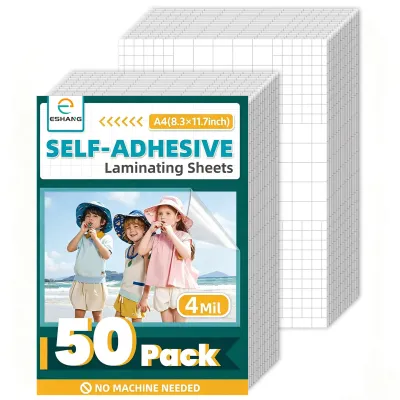
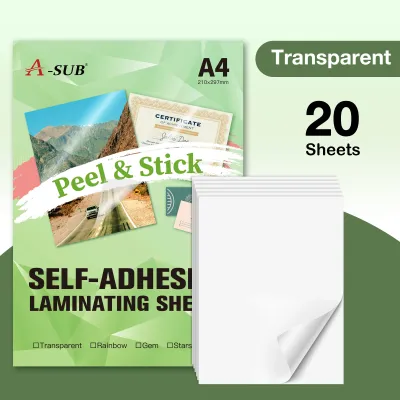
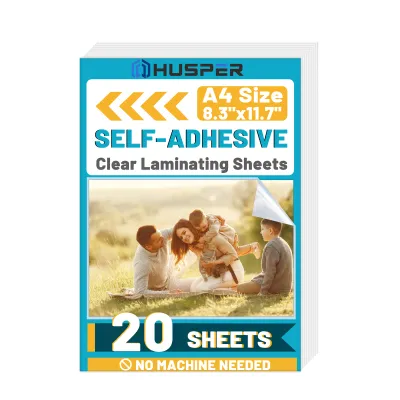
Prices are valid at publication and may change. Please refer to the product page for the latest price.
| Document Type | Recommended Thickness (Microns / Mils) | Recommended Finish | Primary Benefit |
|---|---|---|---|
| Photos & Fine Art | 100 to 125 microns (4 to 5 mil) | Glossy | Maximizes color depth, contrast, and image sharpness. |
| Certificates & Diplomas | 100 to 125 microns (4 to 5 mil) | Matte / Satin | Eliminates glare under frames; provides an elegant, formal appearance. |
| ID Cards & Badges | 150 to 250 microns (7 to 10 mil) | Glossy (Matte for barcodes) | Heavy-duty rigidity; prevents bending and withstands daily physical wear. |
| Menus & Reference Sheets | 125 to 150 microns (5 to 6 mil) | Matte | Water-resistant sealing edge; allows dry-erase writing and easy cleaning. |
While this table offers an excellent starting point for standard office and home applications, unique display environments may require minor adjustments. For example, if you plan to display a photograph in a sunlit corridor or near a window in Singapore, standard glossy lamination may cause excessive glare and accelerate UV fading. In such scenarios, opting for a matte finish with UV-blocking properties is a more effective choice. Always evaluate the specific lighting and handling conditions of your final display location before finalizing your purchase.
Decoding Thickness: Microns, Mils, and Document Rigidity
When browsing for a laminated sheet, the first technical specification you will encounter is thickness. This measurement determines how rigid, heavy, and durable the final laminated document will be. Globally, manufacturers use two different units of measurement to label their products: microns and mils. Understanding how to convert and interpret these units is essential for matching the sheet to both your document and your laminating machine.

A micron (represented as µm) is a metric unit equal to one-thousandth of a millimeter, and it is the standard measurement used across Singapore, Asia, and Europe. Conversely, a mil is an imperial unit equal to one-thousandth of an inch, commonly used in North American packaging. To convert between the two, remember that 1 mil is approximately equal to 25 microns (specifically 25.4 microns). Therefore, a standard 100-micron pouch is equivalent to a 4 mil pouch, while a heavy-duty 250-micron sheet is roughly equivalent to 10 mils.
The thickness of a laminating sheet directly dictates its structural rigidity and protective capacity. Thinner sheets offer basic splash resistance and surface protection while allowing the paper to remain flexible and easily foldable. Thicker sheets, on the other hand, provide substantial structural support, making the document completely rigid and resistant to bending, tearing, or creasing.
Laminating pouches are generally categorized into three primary thickness tiers:
- Lightweight (75 to 80 microns / 3 mil): This tier is ideal for lightweight, flexible documents that do not undergo heavy daily handling. It provides a thin, protective barrier against dust, fingerprints, and minor spills. Common uses include high-volume office handouts, classroom worksheets, and temporary notices.
- Medium Weight (100 to 125 microns / 4 to 5 mil): This is the most versatile and widely used standard for home and office applications. It offers a balanced compromise, delivering noticeable rigidity and excellent tear resistance while remaining easy to feed through standard laminating machines. It is highly recommended for certificates, photographs, and standard notices.
- Heavy-Duty (150 to 250+ microns / 7 to 10+ mil): This tier is designed for maximum durability. Once sealed, documents in this category become completely rigid, resembling credit cards or heavy plastic plaques. This thickness is perfect for items subjected to constant handling, outdoor exposure, or physical stress, such as identification badges, luggage tags, and industrial reference guides.
Before purchasing heavy-duty laminating sheets, you must verify your laminating machine’s maximum thickness capacity. Standard home and entry-level office laminators are often limited to processing sheets up to 100 or 125 microns. Attempting to feed a 150 or 250-micron pouch through an underpowered machine can result in incomplete adhesive melting, severe machine jams, or permanent motor damage. Always consult your laminator’s user manual to ensure compatibility with your chosen sheet thickness.
Glossy vs. Matte: Choosing the Right Finish for Your Needs
The surface finish of your laminated sheet plays a critical role in both the visual presentation and the functional utility of your document. The choice between a glossy and a matte finish depends on the visual content of the document, the lighting conditions of the room where it will be kept, and whether you need to write on the surface.
Glossy laminating sheets are the industry standard and the most popular choice for general use. This finish features a highly polished, reflective surface that enhances color saturation, contrast, and image sharpness. The adhesive layer transparently bonds with the paper, making black tones deeper and colors more vibrant. This makes glossy sheets the premier choice for photographs, colorful marketing flyers, and graphic-heavy posters. However, the primary drawback of a glossy finish is its high reflectivity. Under bright, direct overhead lights—such as the fluorescent tubes common in Singaporean offices and classrooms—glossy surfaces can produce a harsh glare that makes text difficult to read from certain angles.
Matte (or satin) laminating sheets feature a lightly textured, non-reflective surface that diffuses light rather than reflecting it. This finish eliminates glare, ensuring that text remains highly legible even under intense or uneven lighting. Matte lamination provides a sophisticated, professional, and understated aesthetic that mimics high-end print finishes. It is highly recommended for text-heavy documents, official certificates, and items displayed in brightly lit areas.
Beyond aesthetics, matte finishes offer a significant functional advantage: they can be written on directly. While glossy sheets repel most standard inks and smudge easily, the textured surface of a matte laminated sheet allows you to write on it using dry-erase markers, wet-erase pens, or even pencils. The markings can then be easily wiped clean with a dry cloth or eraser. This makes matte sheets exceptionally useful for reusable checklists, daily schedules, restaurant menus, and classroom activity sheets.
When choosing between the two, carefully analyze the viewing environment. If your document will be placed in a high-glare setting or requires frequent reading, matte is the superior choice. If maximum visual impact and color brilliance are your primary goals, stick with a glossy finish.
Detailed Recommendations for Photos, Certificates, and ID Cards
To ensure your documents receive the precise level of protection and visual enhancement they require, it is helpful to look at specific recommendations tailored to each major document category.
Photos and Art Prints
Preserving photographs and fine art prints requires a laminating sheet that honors the original detail and color spectrum of the image. For these items, a glossy finish is highly recommended, as it deepens blacks and intensifies color contrast, giving the print a professional, high-definition appearance. A medium thickness of 100 to 125 microns (4 to 5 mil) provides the ideal level of physical protection, preventing the photo from curling or bending while keeping it thin enough to fit into standard display frames or scrapbooks.
However, standard laminating sheets do not provide adequate protection against ultraviolet (UV) radiation. If you plan to display your laminated photos in a sunlit room, near a window, or under bright spot lighting, the colors will eventually fade due to UV exposure. To prevent this, look specifically for specialized laminating sheets labeled as UV-resistant or UV-blocking. These sheets contain chemical stabilizers in the PET plastic layer that absorb harmful UV rays, preserving the integrity of the print inks over time.
Additionally, pay attention to ink compatibility before sealing. Some inkjet prints use dye-based inks that can bleed or shift color slightly under high heat. If you are unsure of the ink type, it is highly recommended to perform a trial run with a scrap print of the same paper and ink combination before laminating your valuable photographs.
Certificates, Diplomas, and Awards
Official certificates and diplomas represent significant achievements and deserve a presentation that reflects their importance. For these formal documents, a matte or satin finish is the preferred choice. A matte surface prevents light reflections from obscuring the elegant typography and official seals, which is particularly crucial if the certificate is framed behind glass. It provides a premium, sophisticated texture that looks highly professional.
A medium thickness of 100 to 125 microns (4 to 5 mil) is recommended to give the certificate a substantial, high-quality feel without making it excessively rigid. This thickness ensures the document remains flat and durable, yet flexible enough to be stored in protective portfolios or presentation folders. Additionally, if the certificate requires a physical signature or an official stamp after the lamination process, a matte surface is far more receptive to ink, whereas glossy surfaces will cause the ink to bead up and smear.
ID Cards, Badges, and Passes
Identification cards, security badges, and event passes are subjected to intense daily wear. They are frequently swiped, handled, pulled on lanyards, and stuffed into pockets or bags. To withstand this physical stress, these items require heavy-duty laminating sheets with a thickness of 150 to 250 microns (7 to 10 mil). This high level of thickness ensures the card remains completely rigid, preventing it from snapping, bending, or splitting over months of continuous use.
When selecting a finish for ID cards, visual clarity and functional compatibility must be balanced. While a glossy finish is excellent for making photo identification sharp and easily recognizable, it can pose problems if the card features a barcode or QR code. The high reflectivity of glossy laminate can bounce light back into optical scanners, causing scanning errors. If your badges rely on barcode or QR code scanning for access control, opting for a matte finish will ensure reliable scanner performance. Additionally, always measure the dimensions of your standard badge holders or card slots; you must ensure the final laminated card, including its sealed plastic border, will fit comfortably.
Everyday Documents, Menus, and Reference Sheets
Everyday functional documents, such as restaurant menus, kitchen checklists, and workshop reference sheets, operate in demanding environments where they are exposed to frequent handling, grease, and liquid spills. For these items, a sturdy thickness of 125 to 150 microns (5 to 6 mil) is highly recommended. This thickness provides enough structural integrity to allow the sheets to stand upright in table displays or withstand constant flipping on a clipboard.
A matte finish is exceptionally beneficial for these applications, as it allows staff or users to write temporary notes, update inventory counts, or check off completed tasks using dry-erase markers, which can then be wiped clean at the end of the day. Furthermore, because these documents are frequently exposed to liquids, ensuring a wide, secure sealing edge is paramount. A generous border of plastic surrounding the paper prevents water, oil, or cleaning agents from seeping into the paper fibers, which would otherwise cause delamination and ruin the document.
What to Verify Before Buying and Laminating
Achieving a flawless, bubble-free lamination requires careful preparation and verification before you begin the heating process. Neglecting these steps can lead to wasted materials, damaged documents, or machine malfunctions.
Pouch vs. Roll Lamination First, identify whether your project requires laminating pouches or laminating rolls. Pouches are pre-cut, dual-layer sheets sealed on one side, designed for standard document sizes like A4, A3, or ID cards. They are highly convenient and perfect for home, school, and standard office use. Roll lamination, on the other hand, utilizes continuous rolls of plastic film fed through large, specialized roll laminators. This method is reserved for high-volume commercial printing, extremely long banners, or custom-sized posters that do not fit into standard pouches.
Size and the Sealing Edge A common mistake is using a laminating sheet that is too close to the size of the document. To create a completely airtight and waterproof seal, the plastic sheet must extend beyond the edges of the paper. Always select a pouch that allows for a clear border of at least 2 to 3 millimeters around all four sides of your document. If you trim the plastic too close to the paper’s edge, the seal will eventually fail, allowing moisture and air to enter, which leads to peeling, cloudiness, and paper rot—a particularly rapid process in Singapore’s high-humidity climate.
Machine Warm-up and Speed Settings Thermal laminating machines require time to reach their optimal operating temperature. Feeding a sheet through a cold or underheated machine will result in incomplete adhesive activation, leaving the document cloudy, bubbly, or partially unsealed. Always wait for your machine’s “ready” indicator light to turn on before inserting a pouch. Furthermore, if your laminator features adjustable speed or temperature controls, adjust them to match your sheet’s thickness. Thicker sheets (such as 150 microns and above) require slower feed speeds or higher temperature settings to ensure the heat fully penetrates the thick plastic and melts the adhesive layer uniformly.
Irreplaceable and Legal Documents It is critical to understand that thermal lamination is a permanent, irreversible process. The heat-activated EVA adhesive bonds directly with the paper fibers, making it virtually impossible to remove the plastic without destroying the document underneath. Therefore, you should never laminate original, irreplaceable documents. This includes birth certificates, marriage certificates, historical family letters, legal contracts, and passports. Laminating these items can alter or obscure built-in security features, such as watermarks, raised seals, or holographic strips, rendering them legally invalid. For valuable or official documents, protect them instead by placing them inside high-quality, acid-free, non-adhesive archival sleeves.
Frequently Asked Questions (FAQ)
Can I cut a laminated sheet after sealing?
Yes, you can cut and trim a laminated sheet after it has been sealed and cooled, but you must follow one critical rule: never cut flush against the edge of the enclosed paper. To maintain a waterproof and airtight seal, you must leave a clear plastic border of at least 2 to 3 millimeters around the entire perimeter of the paper. Cutting directly into the paper’s edge breaks the adhesive seal, allowing moisture, humidity, and dirt to seep between the plastic layers, which will eventually cause the lamination to peel and fail.
Will standard lamination protect my documents from sun fading?
No, standard glossy and matte laminating sheets do not provide effective protection against ultraviolet (UV) radiation. While they protect the physical paper from tearing and moisture, the inks underneath will still fade and discolor over time when exposed to direct sunlight or harsh fluorescent lighting. If you plan to display your laminated documents or photos in areas with high sun exposure, you must purchase specialized laminating sheets that are explicitly labeled as UV-resistant or UV-blocking.
Is it safe to laminate original birth certificates or legal documents?
No, it is not safe to laminate original birth certificates, legal contracts, land titles, or other official government documents. Thermal lamination is permanent and irreversible; attempting to peel the plastic off will tear the paper and ruin the document. Furthermore, lamination can invalidate official documents by obscuring security features like raised seals, watermarks, or signatures, making them unacceptable to government agencies or legal authorities. Instead, secure these documents in non-adhesive, archival-grade protective sleeves.
Community discussion
Share your experience or ask a question. Comments are reviewed before publication.