
When searching for a label maker that prints truly waterproof stickers, it is easy to get lost in brand names and marketing promises. However, the reality is that the machine itself is only one part of a larger system. Achieving a label that can withstand water, humidity, and friction depends on the precise combination of print technology, substrate material, and adhesive type.
Even the most advanced label maker will produce smudged, peeling labels if paired with standard paper tape. To get a genuinely waterproof result, you must match the printing method with synthetic materials and water-resistant adhesives. Understanding how these components interact is the key to choosing a setup that lasts.
Standard consumer label makers often use direct thermal paper out of the box, which is only splash-resistant at best. For heavy-duty waterproofing—such as outdoor equipment, marine gear, or items subjected to frequent washing—a more robust system is required. This guide breaks down the essential components you need to verify before making a purchase.
Products mentioned in this guide
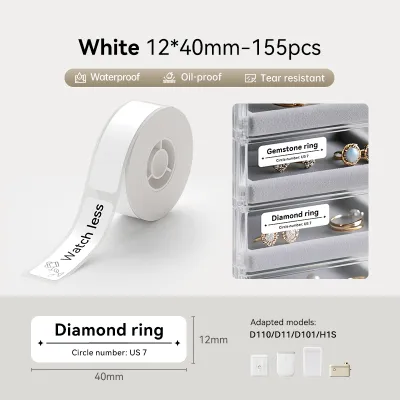
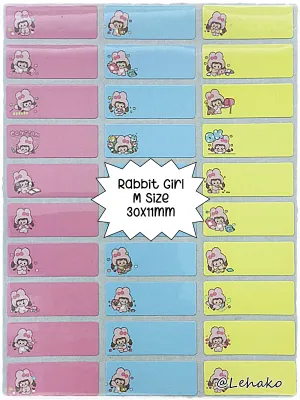
Prices are valid at publication and may change. Please refer to the product page for the latest price.
Print Technologies Compared: Direct Thermal vs. Thermal Transfer
Direct thermal printing is highly popular for home and light office use due to its simplicity. These machines use a heated printhead that makes direct contact with chemically treated, heat-sensitive paper. Because there is no ink, toner, or ribbon, the hardware is compact and economical. However, this simplicity comes with a significant trade-off in durability.
Because direct thermal paper is designed to react to heat, it remains sensitive to environmental factors long after printing. Exposure to direct sunlight, high temperatures, and moisture can trigger chemical reactions that cause the label to turn black, fade, or smudge. While some specialized direct thermal labels feature protective top-coats to resist light moisture, standard direct thermal paper is generally unsuitable for wet environments.
For applications requiring long-term water resistance, thermal transfer printing is the industry standard. This technology uses a heated printhead to melt a dry ink ribbon onto the label substrate. Instead of relying on heat-sensitive paper, the machine fuses a durable layer of wax or resin directly onto the surface of the label. This physical bond creates a highly stable image that does not react to subsequent heat or moisture exposure.
Thermal transfer printers can handle a wide variety of synthetic materials, making them the preferred choice for durable, long-lasting waterproof stickers. The resulting print is highly resistant to water, smudging, and scratching, ensuring legibility even in harsh conditions.
Standard office inkjet and laser printers are also used for label printing, but they face distinct limitations. Inkjet printers rely on liquid, water-based inks that naturally bleed when exposed to moisture unless paired with specialized, expensive synthetic sheets and pigment-based inks. Laser printers use heat to fuse dry toner powder onto the page, which offers better water resistance than inkjet, but the underlying paper substrate will still absorb water, causing the label to degrade and peel.
Label Materials: Which Substrates Actually Repel Water?
The physical substrate of the label serves as the primary barrier against water penetration. Standard paper labels are highly absorbent; when exposed to moisture, the paper fibers swell, weaken, and eventually tear. For any application involving water, condensation, or high humidity, synthetic materials are essential.

Polyester (PET) is one of the most durable synthetic options available. It offers exceptional resistance to water, tearing, abrasion, and extreme temperatures. Polyester labels maintain their shape and legibility even when submerged, making them ideal for outdoor equipment, industrial labeling, and laboratory samples.
Vinyl (PVC) is highly flexible and conformable. Unlike rigid polyester, vinyl can stretch slightly, allowing it to adhere smoothly to curved, uneven, or textured surfaces. This flexibility, combined with excellent water and UV resistance, makes vinyl the standard choice for outdoor signage, cable wrapping, and marine environments.
Polypropylene (PP) is a cost-effective synthetic material that bridges the gap between paper and high-end polyester. It offers reliable water and chemical resistance, making it highly popular for retail packaging, bath products, and cosmetics where moderate durability is required at a lower price point.
Beyond the substrate, the adhesive layer must also be waterproof. Standard water-based acrylic adhesives can emulsify and lose their grip when exposed to water over time. For reliable performance in wet conditions, look for labels featuring solvent-based acrylic adhesives or heavy-duty rubber-based adhesives. These formulations resist water penetration and maintain a strong bond even on damp or cold surfaces.
Ribbons and Inks: Ensuring the Print Does Not Wash Away
In thermal transfer printing, the choice of ribbon determines whether the printed text will wash away or smudge under friction. Ribbons are categorized into three main types: wax, wax-resin, and full resin.
Wax ribbons are the most economical but offer the lowest durability. They are designed primarily for standard paper labels and have a low melting point. Wax print is easily smudged by friction and can wash away when exposed to moisture, making it unsuitable for waterproof applications.
Wax-resin ribbons combine the two materials to offer moderate scratch and chemical resistance. They provide a durable print on semi-gloss paper and some synthetic substrates, making them suitable for environments with occasional moisture exposure, such as indoor storage or shipping labels.
Full resin ribbons are the gold standard for waterproof labeling. Resin requires higher printhead temperatures to melt, but it forms an incredibly tough, chemical-resistant bond with synthetic substrates like polyester and vinyl. Resin print resists water, harsh cleaning solvents, heavy abrasion, and extreme temperatures without fading or smudging.
To ensure success, always verify the compatibility between your ribbon and label material. A high-quality resin ribbon will not adhere properly to standard paper, and a wax ribbon will easily rub off a polyester label. Consulting the manufacturer’s compatibility charts is essential to avoid mismatched consumables.
How to Verify Waterproof Claims Before Purchasing
When shopping for waterproof labels, it is important to look past generic marketing claims. Terms like “waterproof” or “weatherproof” are often used loosely. To verify these claims, start by reading the technical specifications of the label material. Look for explicit mentions of synthetic substrates such as polyester (PET), vinyl, or polypropylene rather than generic “plastic” or “coated paper.”
For demanding applications, consult the manufacturer’s technical data sheets (TDS). These documents provide objective data on the material’s performance, including its operating temperature range, chemical resistance, and adhesive peel strength. While consumer-grade labels rarely carry formal IP (Ingress Protection) ratings, industrial-grade labels often list compliance with standards such as UL 969, which certifies the durability of marking and labeling systems under harsh environmental conditions.
Finally, conduct a physical test before committing to a large-scale purchase. Apply a sample label to your intended surface and allow the adhesive to cure fully, which typically takes 24 hours. Once cured, subject the label to your expected environmental conditions—whether that involves submersion in water, exposure to steam, or physical abrasion. Inspect the label for any signs of ink smudging, edge lifting, or substrate degradation to confirm its real-world durability.
Decision Framework: Choosing the Right Setup for Your Needs
Choosing the right setup depends entirely on your specific environment and durability requirements.
For light-duty, indoor applications—such as kitchen organization, spice jars, or storage bins that only face occasional splashes or light wiping—a direct thermal label maker paired with top-coated synthetic (polypropylene) label cartridges is highly practical. This setup offers a compact, ink-free solution that is easy to maintain while providing sufficient water resistance for daily household use.
For heavy-duty, outdoor, or industrial applications—such as labeling outdoor gear, marine equipment, plumbing fixtures, or items subjected to frequent submersion and chemical cleaning—a thermal transfer label maker is necessary. Pair the machine with a full resin ribbon and polyester (PET) or vinyl labels to ensure both the print and the substrate survive harsh exposure.
Before finalizing your purchase, evaluate the physical characteristics of the application surface. Curved, textured, or flexible surfaces require highly conformable vinyl labels with aggressive, solvent-based adhesives. Additionally, if the labeled items will be exposed to extreme temperatures—such as freezers or hot pipes—verify that both the adhesive and the substrate are rated for those specific thermal limits.
Frequently Asked Questions (FAQ)
Can I make standard paper labels waterproof by adding clear tape over them?
Adding clear tape over a standard paper label provides a temporary barrier against light splashes, but it is not a reliable long-term solution. Water can still seep in from the unprotected edges of the paper, causing the fibers to swell and the adhesive to fail. Over time, the tape itself may yellow, peel, or trap moisture, leading to mold and complete label degradation.
Do I need a special label maker for outdoor waterproof stickers?
You do not necessarily need a specialized machine, but you must use a print technology and material set compatible with outdoor conditions. Standard direct thermal labels will quickly fade and turn black under sunlight (UV exposure) and heat. For outdoor durability, a thermal transfer label maker paired with UV-resistant vinyl or polyester labels and a resin ribbon is highly recommended to prevent both fading and water damage.

Community discussion
Share your experience or ask a question. Comments are reviewed before publication.