
A tight waistband on a favorite pair of jeans does not mean you need to discard the garment or commit to expensive professional tailoring. A jeans waist extender offers a practical, temporary solution to bridge the gap in a tight waistband, restoring comfort and usability to your wardrobe. The right choice depends on your jeans’ button style, fabric weight, and how much extra space you need. For a small, rigid adjustment, a metal button extender works best. For dynamic comfort—such as sitting down during a long commute or office shift—an elastic loop extender is ideal. This guide breaks down the primary types of waist extenders available, evaluates their structural trade-offs, and provides a practical framework to help you choose the most reliable option for your specific fit requirements.
Assessing Your Jeans and Comfort Needs Before Buying
To select the most effective jeans waist extender, you must first evaluate the physical characteristics of your garment and your specific comfort goals.
Begin by measuring the exact waist gap. Put on the jeans and pull the waistband together as comfortably as possible without forcing it. Use a flexible sewing tape measure to find the distance between the center of the existing button and the outer edge of the buttonhole. Most standard extenders provide an additional 1 to 2 inches (approximately 2.5 to 5 centimeters) of space. If your gap exceeds this range, an extender may cause the zipper fly to pull open excessively, indicating that a larger garment size or a professional alteration is necessary.
Products mentioned in this guide
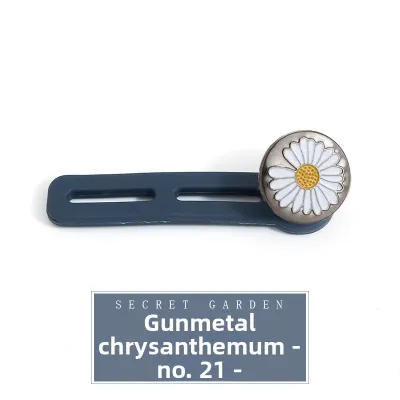
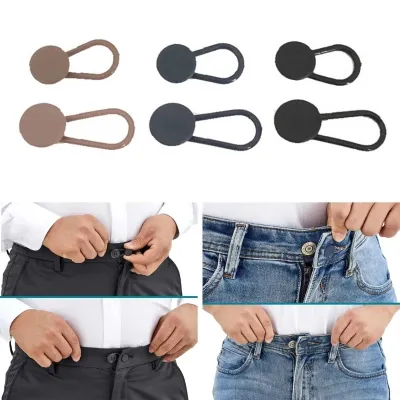
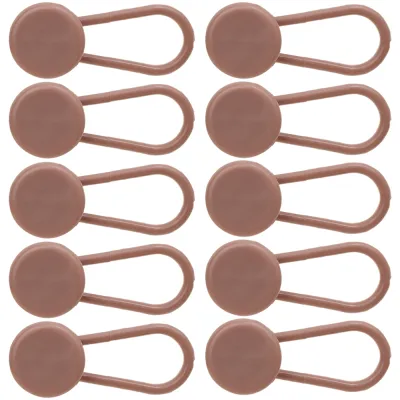
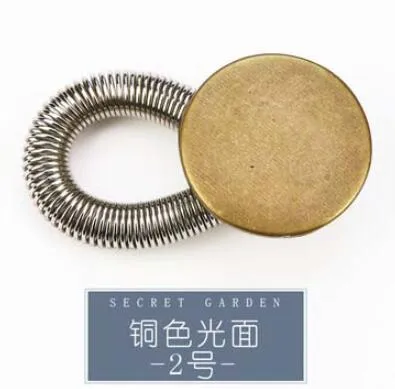
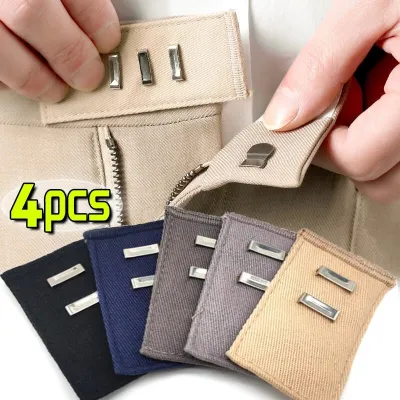
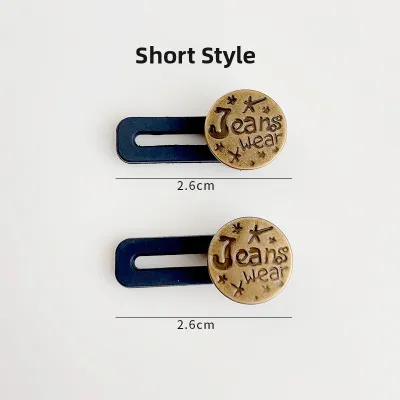
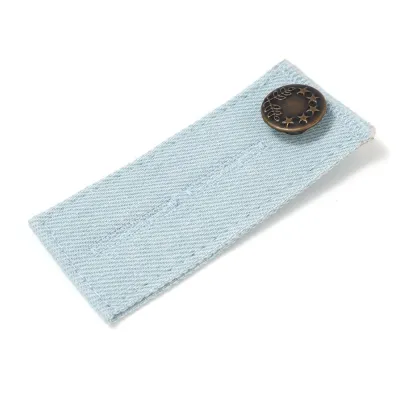
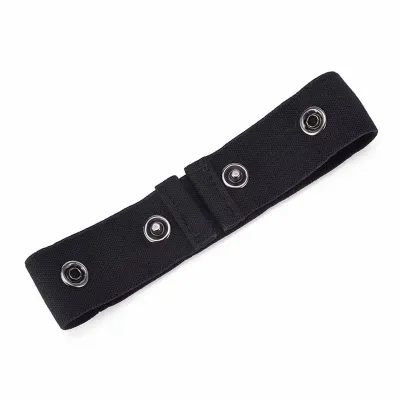
Prices are valid at publication and may change. Please refer to the product page for the latest price.
Next, identify the existing button type on your jeans. Most classic denim garments feature a metal shank button, which is secured to the fabric by a small metal post. Other styles may use a flat, sewn-on button. The extender you choose must have an attachment loop or slot that matches this hardware. A loop that is too small will not fit over a standard shank button, while a loop that is too large may slip off during movement.
Evaluate the weight and rigidity of the denim. Heavyweight, raw, or non-stretch denim exerts significant tension on the waistband, especially when you sit or bend. This rigid fabric requires a robust extender made of metal or reinforced fabric. Conversely, lightweight stretch denim or cotton-blend jeans can accommodate softer, more flexible elastic extenders without distorting the shape of the waistband.
Finally, consider your visibility preferences. If you typically wear tucked-in shirts or cropped tops, the extender will be visible. In these scenarios, a discreet metal button extender that matches the color of your original hardware is highly preferable. If you wear longer, untucked shirts, a bulkier elastic band or fabric extender can be easily concealed.
Comparing the Main Types of Jeans Waist Extenders
Waist extenders are categorized primarily by their attachment mechanisms and material composition. The three main categories are button-based shank extenders, elastic loop extenders, and hook-and-loop or adhesive fabric panels. While all three serve the same basic purpose, their durability, flexibility, and fabric compatibility depend heavily on specific manufacturer specifications and material quality rather than just the category name.

Button and Shank Extenders
Button and shank extenders are rigid or semi-rigid devices designed to mimic the original hardware of your jeans. They consist of a replacement button (usually metal or plastic) attached to a small loop or a fixed metal post. To install them, you simply slip the loop over your existing jeans button and use the new button to secure the buttonhole.
When selecting a shank-style extender, matching the shank diameter to your denim’s buttonhole is critical. If the replacement button is too large, it will stretch and fray the buttonhole threads over time; if it is too small, it will slip out under tension. Metal hardware, such as brass, zinc alloy, or stainless steel, offers excellent durability and matches the classic aesthetic of denim. However, low-quality metal extenders can sometimes have sharp edges on the backing that may scratch your skin or snag undergarments. Plastic alternatives are lightweight and rust-proof, making them convenient for travel, but they are more prone to snapping under high tension.
Because rigid button extenders do not stretch, they provide a fixed, stable gap. This makes them highly suitable for jeans that are only slightly snug and require a consistent, structured fit. They do not, however, offer dynamic expansion when you sit down or after a meal, which may limit comfort during prolonged sitting.
Elastic Band and Loop Extenders
Elastic band and loop extenders utilize flexible materials to provide a dynamic, self-adjusting fit. These extenders typically feature a stretchy loop made of silicone, braided elastic, or fabric-covered rubber that hooks onto your original button, paired with one or more buttons on the opposite end to secure the waistband.
The primary advantage of elastic extenders is comfort. They expand and contract naturally as you move, sit, or breathe, making them an excellent choice for daily wear, travel, or fluctuating waistlines. This flexibility reduces the localized pressure on your abdomen that rigid extenders can cause.
However, elastic extenders present distinct visibility and structural trade-offs. Because the elastic must stretch to function, it creates a wider gap in the waistband, which can cause the fabric of the zipper fly to flare outward. This makes the extender more difficult to conceal under fitted or lightweight tops. Additionally, the durability of these extenders depends entirely on the quality of the elastic fibers and the stitching. Over time, exposure to body heat, sweat, and tension can cause the elastic to lose its recovery strength, resulting in a saggy waistband. It is essential to inspect the stitching where the elastic meets the button to ensure it will not snap under sudden tension.
Hook-and-Loop and Adhesive Extenders
Hook-and-Loop and adhesive extenders are non-button options designed for garments with non-standard waistbands, missing hardware, or for situations where you want to avoid using a buttonhole entirely. These extenders often consist of fabric panels with hook-and-loop strips or temporary adhesive backings that attach directly to the inside of the waistband.
While these styles offer a highly customizable fit and can bypass broken buttons, they have significant limitations on heavy, textured denim. Standard denim fabric is thick and highly textured, which prevents temporary adhesives from forming a secure bond. Under the tension of a rigid waistband, adhesive-style extenders are highly prone to peeling off, especially in warm, humid climates where perspiration degrades the adhesive grip.
For long-term reliability, hook-and-loop extenders usually require permanent sewing or metal snap reinforcements to stay secure on rigid fabrics. Consequently, they are best reserved as temporary emergency fixes or as semi-permanent modifications for lightweight trousers rather than heavy-duty denim jeans.
Matching the Extender to Your Jeans and Lifestyle
Choosing the right extender requires balancing your garment’s construction with your daily activities. The following comparison table outlines how different extender types perform across various jeans characteristics and user needs.
| Jeans Type & Button Style | Primary User Need | Recommended Extender Type | Key Limitation |
|---|---|---|---|
| Rigid Heavy Denim / Shank Button | Discreet, fixed gap for standing/walking | Metal Shank Extender | No dynamic stretch; can feel rigid when sitting |
| Stretch Denim / Shank Button | All-day comfort, frequent sitting | Elastic Loop Extender | Visible under tight tops; fly fabric may flare |
| Lightweight Denim / Flat Button | Soft, non-abrasive adjustment | Silicone or Fabric Loop Extender | May slip off if the flat button lacks a distinct post |
| Jeans with Missing Button | Emergency or temporary closure | Sew-on Hook-and-Loop Panel | Requires sewing for secure, long-term use |
While waist extenders are highly convenient, they are not a universal solution for poorly fitting garments. There are clear conditions where an extender is not viable. If the waist gap exceeds 2 inches, using an extender will distort the rise and hips of the jeans, pulling the zipper fly open and creating an unflattering drape. Furthermore, if the denim fabric around the buttonhole or the original button is already thinning, fraying, or tearing, the concentrated tension from an extender will accelerate this damage, potentially ruining the garment.
Before finalizing your purchase, always check the product labels for weight limits, material composition, and washing instructions. High-quality manufacturers will specify the maximum tension their extenders can withstand and whether the materials are safe for machine washing.
Installation Checks and Maintenance Limits
To ensure your waist extender performs reliably without damaging your jeans, follow proper installation and maintenance practices.
When installing a shank or loop extender, always attach the loop to your jeans’ original button first. Ensure the loop sits snugly behind the button head, resting against the metal post. Once secured, gently guide the extender’s button through your jeans’ buttonhole. Avoid forcing a large extender button through a tight buttonhole, as this can tear the reinforcing threads. If the buttonhole is too small, select an extender with a smaller button diameter.
Regularly inspect your garments and extenders for observable warning signs of failure. Check the denim around your original button for thinning fibers, pulling threads, or fabric distortion. Examine the extender itself for fraying elastic, loose stitching, or bent metal loops. If you notice any of these signs, discontinue use immediately to prevent the button from tearing completely out of the waistband.
Proper maintenance is essential to prolong the lifespan of both the extender and your jeans. Always remove detachable extenders before laundering your jeans. The mechanical agitation of a washing machine can cause metal extenders to snag on other garments, tearing delicate fabrics, or bend out of shape. For elastic extenders, the high heat of a tumble dryer can degrade the rubber fibers, causing them to lose their elasticity. If your extender requires cleaning, hand wash it in cool water with a mild detergent and let it air dry. Additionally, avoid ironing directly on plastic, silicone, or adhesive components of the extender, as high heat will melt or warp these materials.
If the denim waistband begins to tear, stretch excessively, or deform, stop using the extender. At this stage, consult a professional tailor to discuss permanent alterations, such as letting out the waistband seams or inserting a matching denim wedge.
Frequently Asked Questions (FAQ)
Can I use a waist extender on jeans that have a flat button instead of a shank?
Yes, but you must select the extender type carefully. Flat buttons are sewn flush against the waistband fabric with thread, leaving very little clearance underneath the button head. Rigid metal or thick plastic loop extenders require a distinct post (or shank) to hook onto securely; on a flat button, these rigid loops are highly prone to slipping off under tension. To use an extender on flat-button jeans, choose a flexible elastic loop or a soft fabric loop. These materials can stretch and conform to the flat shape of the button, gripping it more securely. Alternatively, you can replace the flat button with a hammer-on denim shank button to ensure compatibility with all extender types.
Will wearing a waist extender permanently stretch or damage my denim?
Continuous outward tension from a waist extender can permanently alter your jeans if used excessively. On rigid, 100% cotton denim, the tension is concentrated directly on the buttonhole and the original button post, which can cause the buttonhole to stretch out or the fabric around the button to tear. On stretch denim, the elastane fibers can lose their recovery shape over time, leading to a permanently saggy waistband. If you find that the zipper fly constantly slides down or the fabric across your hips is pulling tight enough to create deep horizontal creases, the jeans are too small, and the extender is doing too much structural work. To minimize damage, rotate between multiple pairs of jeans to allow the denim fibers to rest and recover their natural shape between wears.
Community discussion
Share your experience or ask a question. Comments are reviewed before publication.