
Finding a pair of jeans that fits flawlessly through both the hips and the waist is a notoriously difficult task. Often, you are left with the dreaded “waist gap”—that annoying space at the back or sides of your waistband that pulls away from your body when you sit or move. Fortunately, you do not need to pay for expensive professional tailoring to solve this issue. Modern haberdashery offers several highly effective, budget-friendly jeans tighteners designed to adjust your waistband instantly.
Selecting the right jeans tightener depends heavily on the size of your waist gap, the weight of your denim fabric, and your personal comfort preferences. The three primary solutions available are button adjusters, side elastic bands, and elastic waist cinchers. Button adjusters are ideal for quick, no-sew fixes and minor front gaps. Side elastic bands excel at handling moderate gaps while offering all-day stretch and keeping the front fly flat. Elastic waist cinchers are best suited for addressing significant gaps, particularly at the back of the waistband.
By matching the mechanical design of the tightener to your specific garment and lifestyle, you can achieve a custom fit without compromising the drape or comfort of your favorite denim. In Singapore’s tropical climate, factors like breathability and metal corrosion also play a critical role in your choice. This guide breaks down each type of tightener, analyzes their performance across different fabric weights, and provides a clear decision framework to help you choose the perfect fit.
Products mentioned in this guide
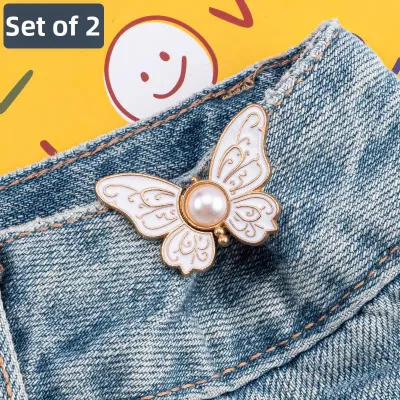
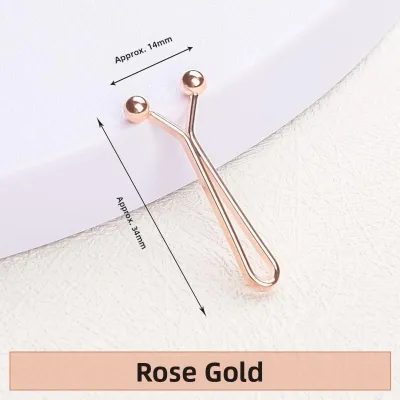
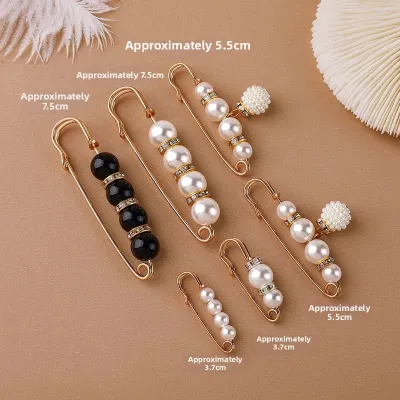
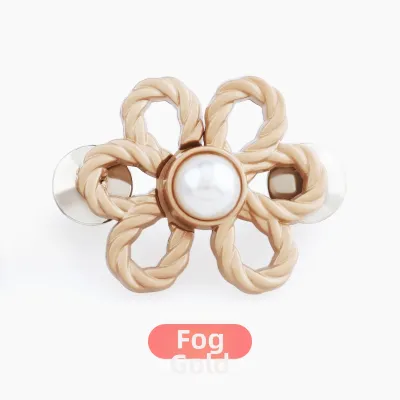
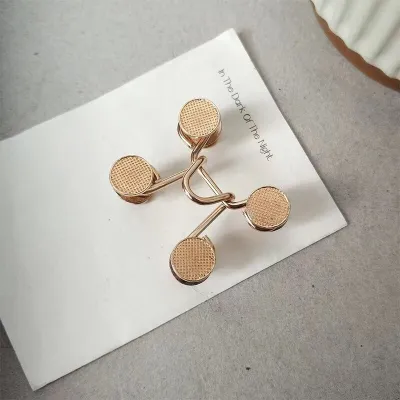
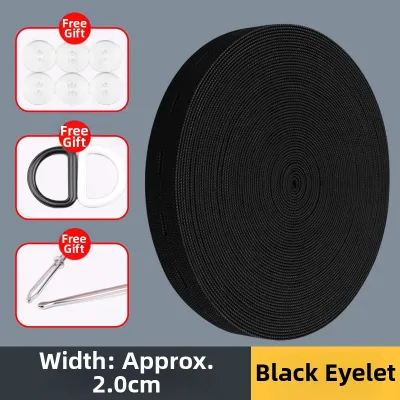
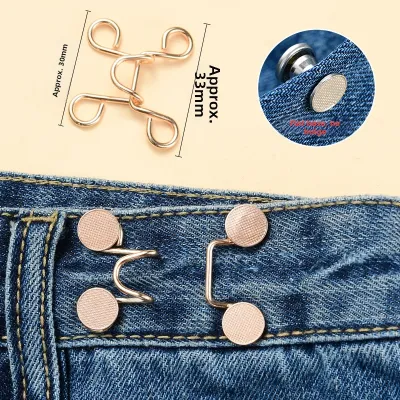
Prices are valid at publication and may change. Please refer to the product page for the latest price.
The 3 Main Types of Jeans Tighteners Explained
Let’s delve into the mechanics of how these different devices interact with denim fabric. Each type utilizes a distinct method to reduce the waistband circumference, and understanding these mechanisms is key to choosing the right one.
Button Adjusters (No-Sew Waist Shrinkers)
Button adjusters are small, highly portable hardware pieces designed to alter the fastening point of your jeans without any stitching. The most common design features a tack-backed button that functions like a thumb tack with a secure locking cap on the back. To use it, you push the sharp post through the denim waistband at your desired location and snap the retaining backing in place, effectively creating a new, shifted button anchor. Other variations include sliding metal clips or dual-button tensioners that hook over the existing waistband button.
Key Benefits:
- Instant, tool-free application: You can install them in under a minute, making them highly convenient for travel or quick outfit changes.
- Completely reversible: If you decide to sell or donate the jeans, or if your body shape changes, you can easily pop the backing off and restore the original waistband size.
- Excellent for rigid denim: They work exceptionally well on heavy, non-stretch denim where a firm, unyielding anchor point is required to keep the pants secure.
- Cost-effective: Typically sold in multi-packs, these adjusters let you fix several pairs of pants for a very low cost.
Key Limitations:
- Front-fly misalignment: Shifting the button to the side pulls the entire zipper and fly assembly off-center, which can create an asymmetrical look at the front of your jeans.
- Fabric puckering: Forcing a wider waistband into a smaller buttoning point naturally causes the excess fabric to bunch up, particularly around the crotch and upper fly area.
- Discomfort while sitting: The metal backing cap of the tack button sits directly against your skin; when sitting down, this hard component can press uncomfortably into your lower abdomen.
- Buttonhole compatibility: If you shift the button too far, the angle at which the button enters the original buttonhole changes, which can make fastening difficult or strain the buttonhole stitching.
Side Elastic Bands (Sew-In or Clip-On Stretch Panels)
Side elastic bands focus on distributing the tension along the sides of the hips, preserving the natural alignment of the front fly and back yoke. Sew-in versions require you to make two small, vertical incisions on the inner layer of the waistband near the side seams, slide a piece of buttonhole elastic through, and anchor it with small buttons sewn inside the band. Clip-on or clamp-style side cinchers, on the other hand, use decorative metal or plastic clasps to pinch and lock a fold of fabric together on the exterior side seams.
Key Benefits:
- Superior comfort and flexibility: Because they utilize elastic, these tighteners expand and contract naturally as you breathe, sit, walk, or eat.
- Maintains garment symmetry: By gathering fabric at the sides, the front fly remains perfectly centered and flat, preserving the original silhouette of the jeans.
- Accommodates weight fluctuations: The stretch properties mean you do not have to constantly adjust or re-install the hardware as your body changes throughout the day.
- Discreet appearance: Sew-in versions are completely hidden inside the waistband, leaving no visible hardware on the outside of your clothing.
Key Limitations:
- Installation effort: Sew-in options require basic hand-sewing skills, a sturdy needle, and durable thread, making them less appealing for those seeking an instant, zero-effort fix.
- Visible hardware (clip-on): External clip-on side adjusters are highly visible and can look like bulky accessories on your hips, which may not align with minimalist style preferences.
- Snagging hazards: The external teeth or clips of non-sewn side adjusters can catch on loose knit sweaters, delicate silk tops, or shoulder strap bags.
- Fabric wear: Constant clamping on the same spot of denim can eventually wear down the indigo dye or weaken the cotton fibers at the side seams.
Elastic Waist Cinchers (Belt-Style or Back Gatherers)
Elastic waist cinchers are designed to target the common “back gap” that occurs when jeans fit the hips perfectly but flare out at the lower back. These devices often resemble a short, partial belt that attaches to the two back-most belt loops using snaps, clips, or heavy-duty hooks. Alternatively, some back cinchers are installed internally by threading a flat elastic band through the rear section of the waistband channel and securing it at both ends.
Key Benefits:
- Ideal for large fit discrepancies: They can easily pull in 2 to 3 inches of excess fabric, making them highly effective for dramatic hourglass shapes or maternity wear.
- Keeps the front clean: Because all the gathering occurs at the rear, the front and sides of your jeans remain completely smooth and unaltered.
- Relieves belt-loop strain: Unlike a traditional belt that cinches the entire waist and can pull hard on individual loops, these gatherers distribute the load across a wider rear section.
Key Limitations:
- Altered rear silhouette: Gathering the fabric at the back creates a bunched, ruffled look directly above the back pockets, which can alter how the jeans drape over your seat.
- Sitting discomfort: If the cincher uses bulky metal buckles or thick plastic snaps, leaning back against hard chairs can cause the hardware to press painfully into your spine or lower back.
- Belt loop dependency: External versions rely entirely on the strength of your jeans' belt loops; if your loops are weakly stitched or made of lightweight fabric, the constant tension can tear them off.
How to Choose Based on Fit, Comfort, and Denim Type
Selecting the perfect jeans tightener is not just about picking the easiest installation method. To ensure your adjusted jeans look natural and feel comfortable throughout the day, you must evaluate several physical and environmental factors.

Assessing the Gap Size
Before purchasing any haberdashery hardware, you must accurately measure the excess space in your waistband. Put on your jeans, button them, and stand naturally in front of a mirror. Pinch the loose fabric at the waistband until the pants sit comfortably against your skin without pulling or binding. Use a soft measuring tape to measure the width of this pinched fold.
- A gap of 1 inch or less: A simple button adjuster is usually the most efficient choice, as it easily absorbs minor excess fabric without causing extreme front-fly distortion.
- A gap of 1 to 2.5 inches: Side elastic bands are highly recommended, as they distribute the tension evenly across both hips rather than forcing all the excess fabric to one point.
- A gap of 3 inches or more: This represents a significant fit discrepancy. An elastic back cincher is the best temporary solution, though you should also consider professional tailoring (such as adding waist darts) for a permanent, seamless result.
Comfort and Climate Preferences
Living and moving in Singapore’s warm, humid climate introduces unique comfort challenges. Sweat and high humidity can turn rigid, non-breathable waistbands into sources of friction and skin irritation.
- Metal heat retention: Metal button adjusters or external metal clips can absorb body heat and trap moisture against your skin, potentially leading to contact dermatitis or chafing.
- Breathability and stretch: For all-day comfort in tropical weather, flexible side elastic bands or internal sew-in elastics are superior. They allow the fabric to move with your body as you breathe and perspire, preventing the waistband from cutting into your skin.
- Hypoallergenic options: If you have sensitive skin or a nickel allergy, prioritize plastic-coated fasteners, high-quality stainless steel, or purely sewn-in elastic options that avoid direct metal-to-skin contact.
Denim Weight and Stretch Content
The physical characteristics of your denim fabric dictate how it will respond to being cinched. Denim is classified by its weight per square yard, and this weight determines its stiffness.
- Heavyweight, rigid denim (12oz and above): This fabric is thick, stiff, and highly resistant to gathering. If you try to force heavyweight denim into a side elastic panel, it will create thick, rigid folds that press painfully into your hips. For these heavy fabrics, button adjusters or professional tailoring are much safer choices.
- Lightweight to medium-weight denim (8oz to 11oz): Common in warmer climates, these lighter fabrics gather beautifully without creating excessive bulk. They pair exceptionally well with side elastic bands and back cinchers.
- Stretch denim (containing elastane or spandex): Stretch denim is highly pliable but has a tendency to sag over the course of the day as the elastic fibers relax. Using a sew-in elastic band helps maintain the waistband's structural integrity, allowing the jeans to stretch and recover naturally without slipping down.
Aesthetic and Visibility
Your personal wardrobe style and how you tuck your shirts should heavily influence your choice of tightener.
- Tucked-in tops: If you frequently wear tucked-in shirts, blouses, or cropped tops, the waistband of your jeans is fully exposed. In this scenario, external clip-on adjusters or shifted front buttons can look messy or disruptive. A sew-in side elastic band is the best option because it remains completely invisible, maintaining a clean, professional aesthetic.
- Untucked tops: If you prefer wearing oversized t-shirts, loose sweaters, or untucked button-downs, the waistband remains hidden. This gives you the freedom to use highly visible, easy-to-install options like external clip-on side cinchers or tack-backed button adjusters without worrying about the visual impact.
Installation, Adjustability, and Fabric Care
Proper installation and careful maintenance are essential to protect your clothing and ensure your jeans tightener lasts. Improper use can lead to torn fabric, ruined washing machines, or lost hardware.
Pre-Installation Checks
Before applying any hardware or making alterations, always check the care label on your jeans. Some delicate denim blends, faux leather trims, or highly treated fabrics can be easily damaged by sharp metal points or high-tension clips.
- The hidden-area test: Always test any clip-on or tack-based device on a hidden area first, such as the inside of the waistband or the inner hem. Leave the device clamped in place for 24 hours, then remove it to check for permanent indentations, fiber breakage, or discoloration.
- Manufacturer instructions: Read the installation instructions provided by the tightener manufacturer. If these instructions conflict with the care label on your jeans, prioritize the garment manufacturer's guidelines to avoid ruining your pants.
Installation Best Practices
When installing your chosen tightener, taking a few extra precautions can prevent fabric damage and ensure a secure fit.
- Installing tack-backed buttons: Avoid placing the sharp metal post through a single, thin layer of fabric. Instead, push the post through the thickest, most reinforced section of the waistband, typically near the existing seam stitching. This distributes the pulling force and prevents the button from tearing through the denim over time. Use a pair of small pliers to ensure the backing cap is fully locked and seated.
- Sewing elastic panels: If you are sewing in an elastic band, do not use a standard sewing needle, which can bend or break against dense denim. Use a dedicated denim needle (size 90/14 for medium-weight denim or 100/16 for heavyweight denim). Thread your needle with heavy-duty polyester upholstery thread rather than standard cotton thread, as polyester offers the high tensile strength required to withstand constant waist tension.
Washing and Drying
Adding metal hardware or elastic materials to your jeans changes how they must be laundered.
- Protecting the washing machine: Metal button adjusters and heavy clips can clatter violently inside your washing machine drum, potentially scratching the interior or chipping the paint. Always turn your jeans inside out and zip them up before washing. For added protection, place the jeans inside a mesh laundry bag.
- Washing temperature: Wash your adjusted jeans in cold water. High temperatures can degrade the rubber fibers inside elastic bands, causing them to lose their stretch and become brittle over time.
- Drying guidelines: Air drying is strongly preferred over machine drying. The intense heat of a clothes dryer can warp metal components, melt plastic backings, and rapidly destroy the elasticity of side bands and cinchers. Hang your jeans to dry in a well-ventilated area away from direct, harsh sunlight to preserve both the fabric color and the tightener's structural integrity.
Frequently Asked Questions (FAQ)
Can I use a jeans tightener on leather or faux leather pants?
You should avoid using puncturing button adjusters or sewing needles on leather or faux leather pants, as these materials do not have a woven structure. Puncturing them creates permanent, unrepairable holes that will stretch and tear under tension. Instead, look for non-puncturing, padded clamp-style side cinchers designed for delicate fabrics, or consult a professional leather tailor for a permanent alteration.
Will a button adjuster ruin the original buttonhole of my jeans?
No, a button adjuster will not damage the original buttonhole. Most tack-backed adjusters simply place a new button next to the original one, leaving the original buttonhole completely intact and unused. If you decide to remove the adjuster later, the original button remains in place, making the entire process fully reversible without any lasting damage to the garment’s fastening system.
How do I stop a metal jeans tightener from rusting or irritating my skin?
To prevent skin irritation, choose nickel-free, plastic-coated, or stainless steel adjusters, especially if you have sensitive skin or metal allergies. To prevent rust, never leave wet or damp jeans sitting in the washing machine drum. Remove them immediately after the cycle ends, ensure the metal hardware is thoroughly dried, and air-dry the garment in a well-ventilated space.
Community discussion
Share your experience or ask a question. Comments are reviewed before publication.