
Finding that a favorite shirt collar no longer fastens comfortably or that a pair of trousers pinches at the waist does not mean you need to discard the garment or undergo a complex sewing project. A button extension offers a practical, reversible solution to ease tension and restore comfort. The key to a successful alteration lies in matching the extender’s mechanical design to your garment’s fabric weight, the original button’s mounting style, and the specific physical demands of the wear environment.
By understanding how different extenders interact with various fabrics and button types, you can avoid common pitfalls like fabric tearing, button slippage, or unsightly bulk. This guide will walk you through diagnosing your specific alteration needs, selecting the correct hardware, and verifying that your installation remains secure and damage-free.
Diagnose Your Alteration Need: Why Are You Extending the Button?
Identifying the specific fit issue or aesthetic goal driving your alteration is the first step in narrowing down the required extender category. Evaluate the physical signals your clothing is sending. A tight waistband on denim, a stiff collar on a formal dress shirt, or temporary fit changes due to pregnancy all require different levels of structural support and flexibility.
Products mentioned in this guide
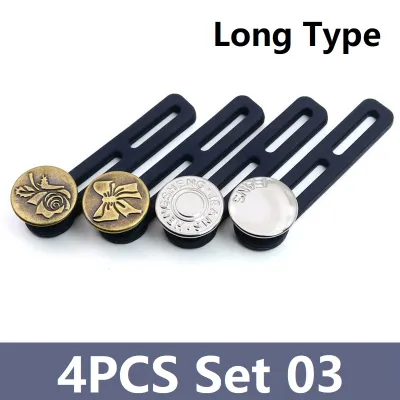
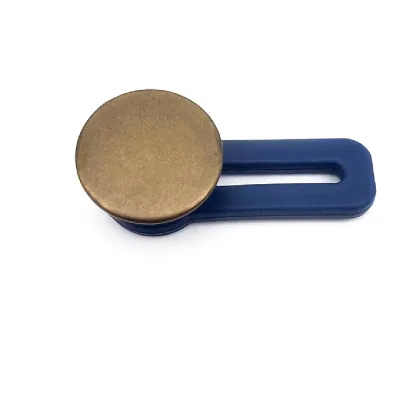
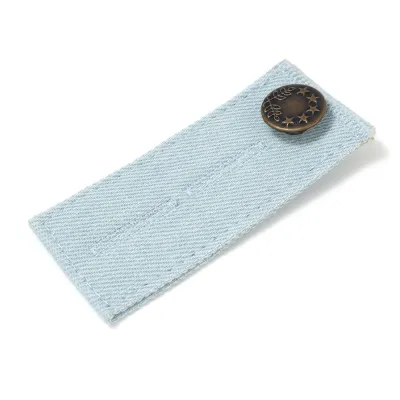
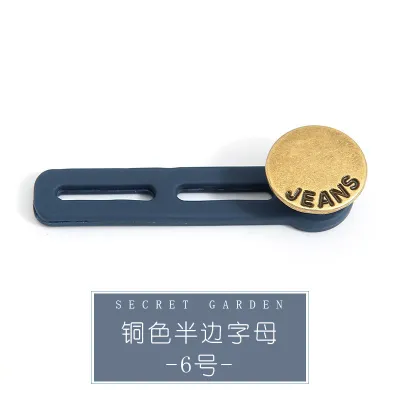
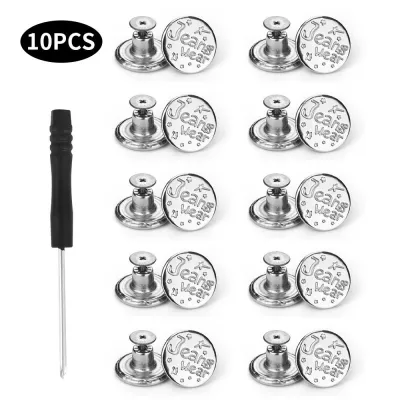
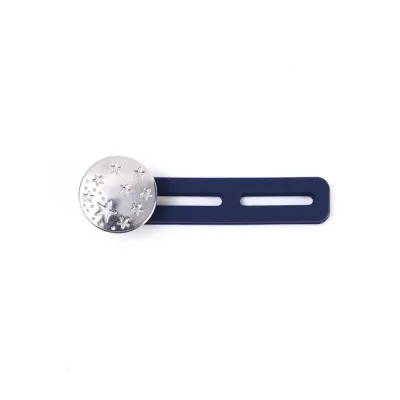
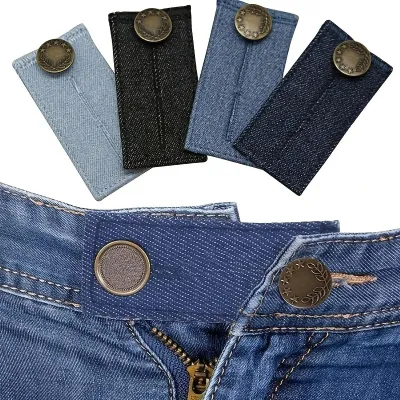
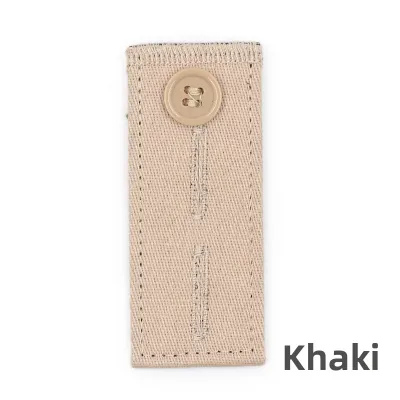
Prices are valid at publication and may change. Please refer to the product page for the latest price.
Determine if the adjustment must be temporary or permanent. If you need a temporary fix for fluctuating weight or maternity wear, non-sew, removable loop extenders are ideal because they can be transferred between garments. If the change is permanent, you might eventually want a professional tailor, but an extender serves as an excellent intermediate tool to keep your wardrobe wearable.
Before proceeding, inspect the existing button and buttonhole condition. The original button must be securely stitched to the fabric, as the extender transfers tension directly to these threads. If the original thread is already loose, adding an extender will accelerate its failure. The buttonhole must also be free of fraying; a worn buttonhole can easily stretch out or tear under the altered angle of pull.
Match the Extender Type to Your Garment and Button Style
Before purchasing any hardware, you must categorize your garment’s closure system. Button extenders are not universal; a mechanism designed to support heavy denim waistbands will overwhelm a delicate silk blouse. By analyzing the original button’s mounting style and calculating the exact distance needed to achieve comfort, you can select an extender that blends seamlessly with your clothing.

Shank and Flat-Back Extenders for Shirts and Coats
Look closely at how the original button is attached to the fabric. Flat-back buttons feature two or four holes drilled directly through the face, sitting flush against the placket. Shank buttons, common on heavy coats, blazers, and formal shirts, feature a small metal or plastic loop on the underside, raising the button head slightly off the fabric.
To extend a flat-back button, select an extender with a flexible silicone or spring-loop base that wraps around the existing threads. For shank buttons, the extender must feature a matching hook or loop that accommodates the raised stem without causing the button to tilt awkwardly. A mismatched pairing leads to excessive wobbling, which looks untidy and places uneven stress on the original threads.
Always verify the combined profile thickness of the extender and the original button. When you slide the extender’s button through the existing buttonhole, the added bulk of the connector loop must pass through smoothly. If the buttonhole is too tight for this double-layered connection, you risk stretching the fabric or tearing the stitched borders of the hole.
Adjustable Waistband Extenders for Pants and Skirts
Lower garments require robust extenders capable of handling significant lateral tension during sitting, bending, and walking. Clip-on metal extenders, elastic loop extenders, and button-hole sliding extenders offer varying degrees of flexibility and strength based on your waistband’s thickness.
For heavy fabrics like denim or canvas, a rigid metal clip-on extender provides a secure, non-slip hold. However, you must inspect the clamping mechanism’s grip; a weak clamp can slip under pressure, while an overly aggressive clamp with sharp teeth can puncture the waistband fibers. For trousers with a bit of natural stretch, an elastic loop extender offers a forgiving, dynamic fit that expands and contracts with your movement.
Consider the aesthetic impact and visibility of the extender. If you wear tucked-in shirts or short jackets, a bright metal or wide elastic extender will be highly visible. In these cases, look for low-profile extenders that match the color of your waistband, or plan to cover the area with a belt. Many sliding extenders allow you to adjust the extension distance incrementally, letting you find the minimum necessary gap to keep the alteration discreet.
Decorative Button Covers and Extenders for Embellishment
Sometimes an alteration is as much about style as it is about fit. Decorative button covers allow you to refresh a garment’s appearance by snapping a new, ornamental face directly over an existing plain button without altering the original hardware.
Before selecting a decorative cover, measure the exact diameter and profile height of your original buttons. Standard covers are designed for specific millimeter ranges; a cover that is too small will not close, while one that is too large will rattle and slide.
Evaluate the backing mechanism of the cover against the delicacy of your garment’s fabric. Delicate fabrics like silk, satin, or fine knits require soft, flexible silicone backings that grip the button without scratching or snagging the surrounding fibers. Rigid metal clips are better suited for sturdy cotton shirts or wool blazers.
Confirm that the added bulk of the decorative cover does not impede the fastening process. Because the cover increases the overall diameter of the button, it must still be able to pass through the existing buttonhole without forcing or distorting the fabric.
Installation Checks and Fabric Safety Limits
Before wearing your altered garment out, perform a series of physical checks to ensure the safety of the fabric. Fasten the extended button and gently pull the two sides of the placket apart. Observe the buttonhole: if the stitching is pulling taut, warping, or showing signs of separation, the extender is creating too much localized tension.
Carefully run your fingers over any metal or plastic clip-on mechanisms before installation. Any rough edges, burrs, or sharp points can easily snag delicate knits or slice through fine silk threads. If you detect any manufacturing imperfections, smooth them down or select a different extender.
Recognize the limits of DIY button extensions. While they work beautifully on standard cotton, linen, wool, and light synthetics, certain materials demand professional intervention. If your garment is constructed from thick leather, heavy-duty denim, or contains structural elements like corset boning, forcing an extender can permanently warp the garment’s shape or tear the material. In these instances, halt the installation and consult a professional tailor to discuss moving the button or inserting a proper fabric gusset.
Frequently Asked Questions (FAQ)
Can I use a standard button extender on a jacket with bound buttonholes?
Bound buttonholes are finished with fabric welts rather than stitched threads, making them highly delicate and prone to fraying if subjected to unusual friction. Standard button extenders, especially those with thick metal loops or rigid backings, can easily catch on the inner lips of a bound buttonhole, causing the fabric to stretch or tear. If you must extend a jacket with bound buttonholes, look for an ultra-thin, smooth silicone loop extender. If the fit requires more than a few millimeters of adjustment, it is safer to have a professional tailor relocate the button or alter the side seams to preserve the integrity of the bound opening.
Do adjustable pant extenders damage the waistband fabric over time?
Yes, prolonged use of tension-based or clip-on extenders can cause localized wear on your waistband. The constant pulling force concentrates stress on a very small area, which can lead to fabric thinning, permanent creasing, or stretching around the original button and buttonhole. To minimize this risk, rotate between different garments, remove the extender before washing, and avoid over-tightening. If you find yourself relying on a waistband extender daily for a specific pair of pants, it is highly recommended to transition to a permanent alteration, such as sewing in an elastic panel or consulting a tailor, to protect the garment from long-term structural damage.
Community discussion
Share your experience or ask a question. Comments are reviewed before publication.