
Selecting the right protective packaging is the most critical step in ensuring your valuables survive the rigours of transit, whether you are relocating to a new apartment across Singapore or shipping fragile goods globally. While bubble wrap—commonly referred to as 气泡纸 in local hardware and stationery shops—appears to be a simple, uniform material, using the wrong type can lead to catastrophic damage. Different items require specific bubble sizes, film thicknesses, and material properties to withstand physical shock, vibration, and electrostatic discharge.
Matching the protective characteristics of your packaging material to the specific vulnerabilities of your items prevents costly breakages and structural damage. Electronics demand specialized static protection, heavy furniture requires robust puncture resistance, and delicate glassware relies on precise cushioning and void elimination. By understanding the technical specifications of various bubble wrap types, you can make informed decisions that guarantee your belongings arrive at their destination completely intact.
Decoding Bubble Wrap Sizes and Thickness Ratings
To make an informed purchasing decision, you must first understand how bubble wrap is classified by its physical dimensions and material thickness. The performance of bubble wrap relies on the air pressure trapped within its plastic pockets, and these pockets come in three primary diameters: small, medium, and large. Small bubbles typically measure around 10 millimetres in diameter and 4.8 millimetres in height, making them highly flexible and conformable. Medium bubbles measure approximately 12.7 millimetres in diameter, offering a balanced middle ground, while large bubbles span 25 millimetres or more, providing a thick cushion of air designed to absorb heavy impacts.
Products mentioned in this guide
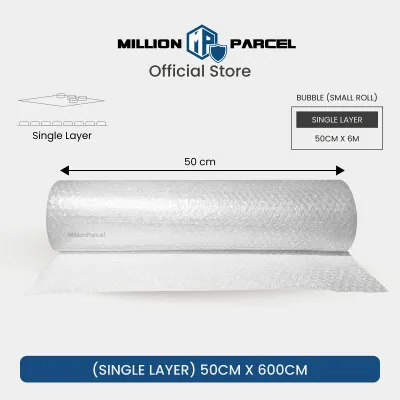
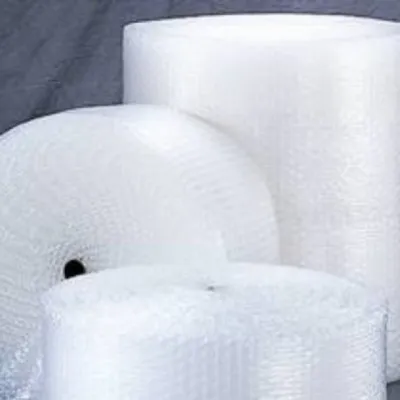
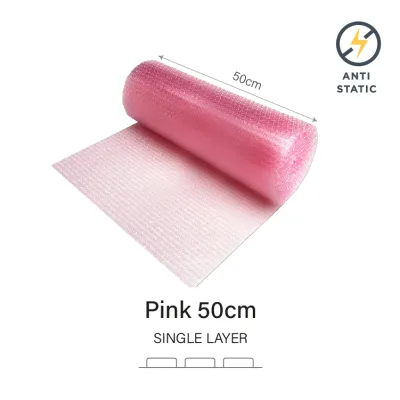
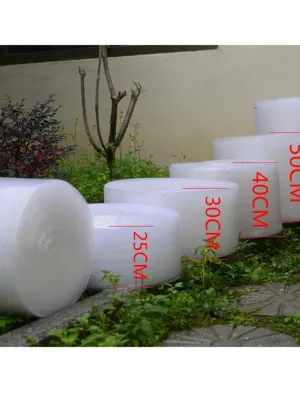
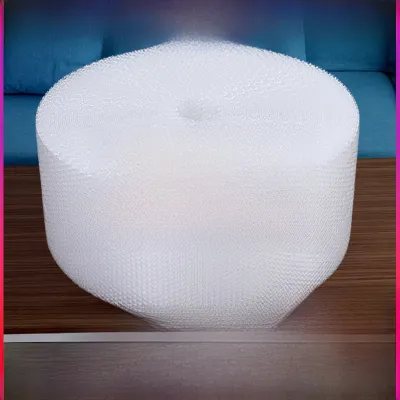
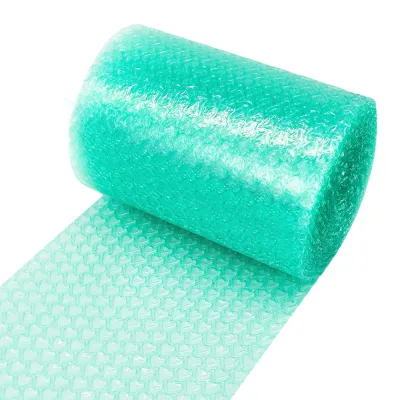
Prices are valid at publication and may change. Please refer to the product page for the latest price.
Beyond bubble diameter, the thickness of the plastic film itself—measured in microns or gauge—directly dictates the durability and puncture resistance of the wrap. Standard-duty bubble wrap uses a thinner polyethylene film that is highly flexible and cost-effective for lightweight household items, but it can easily pop under sustained pressure or sharp edges. Heavy-duty bubble wrap features a much thicker, multi-layered co-extruded plastic film that resists popping under heavy loads, ensuring the air pockets remain intact throughout long journeys and rough handling.
When choosing your packaging material, use a simple mental model based on weight and fragility. Lightweight, scratch-prone items require small bubbles to prevent surface abrasions, whereas moderately heavy, fragile items benefit from the versatile cushioning of medium bubbles. For bulky, high-mass items that exert significant pressure, large, heavy-duty bubbles are essential to prevent the packaging from bottoming out during transit. Verifying these specifications on the product label ensures you do not waste money on materials that fail under pressure.
Packing Electronics: Why Anti-Static and Small Bubbles Matter
Sensitive electronic devices, such as laptops, tablets, computer monitors, and gaming consoles, face two major threats during shipping: physical impact and electrostatic discharge (ESD). Standard plastic bubble wrap is a highly insulative material that generates static electricity through simple friction during transit. When this static charge accumulates and discharges into the sensitive microcircuits of your electronics, it can cause immediate, irreversible internal damage without leaving any visible external marks on the device.

To mitigate this risk, you must use specialized anti-static bubble wrap, which is easily identified by its distinctive pink colour. This plastic is treated with an antistatic additive that prevents the buildup of electrostatic charges, ensuring that friction against the device or the shipping box does not create a hazardous electrical environment. For internal components like graphics cards, motherboards, or hard drives, always place the item inside a dedicated static-shielding bag before wrapping it in pink anti-static bubble wrap.
Small bubbles are the ideal choice for electronics because they offer maximum flexibility and close conformity to irregular shapes. Electronic devices often feature delicate ports, buttons, and sharp corners that require tight, secure wrapping to prevent movement. Small bubbles wrap snugly around these complex geometries, providing uniform protection without creating excessive bulk that would force you to purchase a much larger, more expensive outer shipping box.
When wrapping electronics, start by neatly securing all power cords and accessories with cable ties, wrapping them separately to prevent them from scratching the main device. Wrap the primary device in at least two layers of small pink anti-static bubble wrap, ensuring all surfaces are fully covered. Secure the wrap with high-quality packaging tape, taking care to apply the tape only to the bubble wrap itself, as adhesive residue can damage screens, port connections, or polished plastic chassis.
Moving Furniture: Using Heavy-Duty and Large Bubbles for Impact Protection
Moving heavy, bulky furniture through tight corridors, lift lobbies, and staircase landings presents severe physical challenges. Large furniture items are highly susceptible to deep dents, structural fractures, and surface gouges from accidental collisions. Standard thin bubble wrap is entirely inadequate for these heavy loads, as the intense pressure exerted by the weight of solid wood or metal furniture will instantly pop the small air pockets, leaving the surfaces completely unprotected.
For robust impact protection, you should utilize large-bubble wrap constructed from heavy-duty, puncture-resistant plastic. The large air pockets act as heavy-duty shock absorbers, compressing under sudden impacts to dissipate kinetic energy before it reaches the furniture. This type of wrap is particularly critical for protecting highly vulnerable areas, such as the delicate turned legs of wooden tables, polished cabinet corners, and the edges of heavy glass tabletops.
To achieve maximum protection, you must combine heavy-duty bubble wrap with other structural packaging materials. For wooden furniture, wrap the item in thick moving blankets first to protect the finish from scratches and absorb any ambient moisture, then wrap the high-impact zones with large-bubble wrap. For sharp corners and glass panels, slide cardboard corner protectors or foam edge guards over the vulnerable areas before securing the entire assembly with heavy-duty stretch film to keep all protective layers firmly in place.
Never rely on standard bubble wrap as a standalone solution for heavy furniture. Without the structural reinforcement of cardboard or the cushioning of moving blankets, sharp wooden corners or metal brackets can easily slice through plastic film. Taking the time to build a multi-layered barrier ensures that your heavy investments survive the physical stress of transport without a scratch.
Shipping Glassware: Layering Medium Bubbles for Fragile Items
Glassware, porcelain, and ceramic items require a delicate packaging strategy that balances precise shock absorption with high flexibility. Medium-sized bubble wrap, with its 12.7-millimetre bubble diameter, is the optimal choice for these highly fragile items. It is flexible enough to wrap tightly around the complex curves of wine glass stems, vase necks, and teapot handles, yet robust enough to prevent delicate items from clashing against one another inside the shipping container.
To pack glassware successfully, you must master the individual layering technique. Never pack multiple glass items together in a single sheet of bubble wrap, as direct glass-on-glass contact during transit will inevitably cause fractures. Begin by stuffing the hollow interiors of cups, wine glasses, and bowls with crumpled clean packing paper to reinforce their structural integrity from the inside out. Next, wrap each item individually in at least two complete layers of medium bubble wrap, paying extra attention to vulnerable areas like rims, handles, and stems, and secure the seams with high-tack tape.
Once the individual items are wrapped, the critical factor in preventing breakage is eliminating void space inside the shipping box. If wrapped glassware is allowed to shift, slide, or collide during transit, the impact forces can easily bypass the bubble wrap. Fill all empty spaces at the bottom, sides, and top of the box with extra bubble wrap, packing peanuts, or tightly crumpled paper, ensuring that the contents remain completely stationary when the box is closed.
Your choice of shipping container is just as important as the wrapping material itself. Always select double-walled corrugated cardboard boxes for shipping fragile glassware, as they offer superior crush resistance compared to standard single-walled boxes. When packing the box, place heavier, flatter ceramic items at the bottom and lighter, more delicate glassware near the top, separated by thick cardboard dividers to distribute weight evenly.
Pro Packing Tips and Cross-Scenario Compatibility
When preparing for a move, purchasing multiple specialized rolls of bubble wrap can quickly become expensive and logistically inconvenient, especially if storage space in your home is limited. If you must compromise and purchase a single, universal roll, opt for a medium-sized, heavy-duty bubble wrap. This versatile option provides enough flexibility to wrap smaller glassware and electronic items when applied carefully, while the heavy-duty film thickness offers sufficient puncture resistance to protect larger furniture edges if you apply multiple layered wraps.
One of the most common debates in packaging is whether the bubbles should face inward or outward. The correct method is to place the bubbles facing inward, directly touching the surface of the item. This orientation allows the individual air pockets to cradle the item’s contours, maximizing surface contact and preventing the item from slipping within its protective sleeve. The smooth plastic side should face outward, which provides a clean surface for applying packaging tape, writing labels, and sliding items smoothly into shipping boxes.
In hot and humid tropical climates, standard stationery tape or low-grade masking tape will quickly lose its adhesive strength, causing your carefully wrapped bubble wrap to unravel. Always use high-quality acrylic or hot-melt packaging tape to seal your bubble wrap. Apply the tape across all open seams and wrap it completely around the circumference of the item to create a secure, tensioned bond that will not degrade under humid warehouse conditions.
Before sealing your shipping box, always perform a final physical inspection known as the “shake test.” Gently close the top flaps of the box and give it a soft shake; if you feel or hear any movement, sliding, or shifting inside, open the box and pack additional void fill into the gaps. A perfectly packed box should feel completely solid, indicating that your bubble wrap and cushioning materials have eliminated all internal movement, guaranteeing a safe journey for your valuables.
Frequently Asked Questions (FAQ)
Can I reuse popped bubble wrap for packing?
Once the individual air pockets in bubble wrap are popped, the material permanently loses its ability to absorb physical shocks and cushion impacts. Popped bubble wrap should never be used as the primary protective layer for fragile glassware, sensitive electronics, or heavy furniture. However, you can repurpose popped bubble wrap as light void fill to pack empty spaces inside boxes to prevent items from shifting, or use it as a clean dust cover for non-fragile items during long-term storage.
Is bubble wrap safe for all painted or polished surfaces?
Direct contact with plastic bubble wrap can damage delicate finishes over long periods or in warm storage environments. Polyethylene plastic can trap ambient moisture against wood, and under warm conditions, the bubble pattern can actually imprint itself onto soft varnishes, oil-based paints, or polished wood finishes. To prevent this cosmetic damage, always wrap painted, varnished, or highly polished items in a protective layer of acid-free tissue paper, glassine paper, or soft cotton cloth before applying the bubble wrap.
How many layers of bubble wrap do I actually need?
The number of layers required depends on the fragility of the item and the size of the bubbles being used. As a general rule of thumb, use two to three complete layers of small bubble wrap for lightweight electronics and delicate glassware to ensure adequate shock absorption. For heavy furniture edges or exceptionally fragile crystal, apply at least two layers of large, heavy-duty bubble wrap, and always ensure that this layering is paired with comprehensive void filling inside the outer shipping box.
Community discussion
Share your experience or ask a question. Comments are reviewed before publication.