
Finding the right 2027 daily planner brand in Singapore requires looking beyond aesthetic covers to evaluate paper performance, layout structure, and binding durability. The ideal brand is one that matches your specific writing tools and daily scheduling habits, whether you need a highly structured corporate layout or a flexible, creative canvas. Because paper texture, ink absorption, and binding strength vary significantly between manufacturers, understanding how to assess these physical characteristics is the first step toward securing a planner that will last the entire year.
By focusing on objective evaluation criteria, you can identify which design philosophy aligns with your workflow. This guide outlines the essential factors to consider when choosing a planner brand, categorizes the primary design styles available in the market, and provides practical advice on sourcing and verifying your purchase.
How to Evaluate Daily Planner Brands for Your Needs
Selecting a planner brand requires a close look at the technical specifications of the paper and the physical construction of the book. Paper quality is not determined solely by thickness, which is measured in grams per square meter (GSM). While a higher GSM generally indicates a thicker sheet, the paper’s coating, fiber density, and sizing treatment dictate how it interacts with different inks. For example, some thin papers are highly resistant to ink feathering and bleed-through due to specialized manufacturing processes, while other thicker, uncoated papers may absorb ink rapidly, causing lines to spread and ghost on the reverse side. If you use fountain pens, gel pens, or wet inks, look for brands that specify ink-resistant or coated papers, and always perform a small pen test on an inconspicuous back page to verify drying speed and bleed resistance before writing extensively.
Products mentioned in this guide
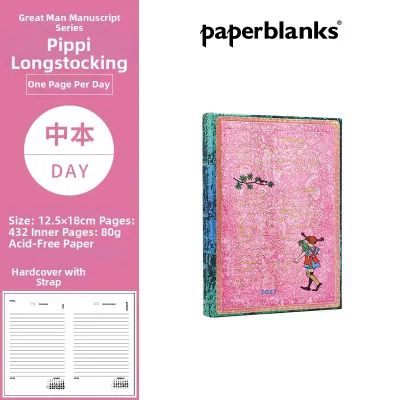
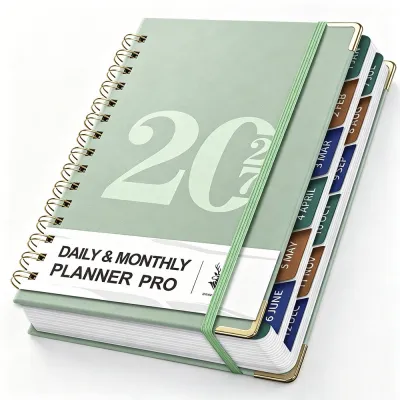
![[2 in 1] 2027 Winnie-The-Pooh Classic Monthly Planner + Weekly Planner / Notebook-(A5 | 120 pages)|ROYCE PUBLISHING](https://img.lazcdn.com/g/p/3491d50b9272e2bf0ff159491255808a.jpg_400x400q80.jpg_.webp)
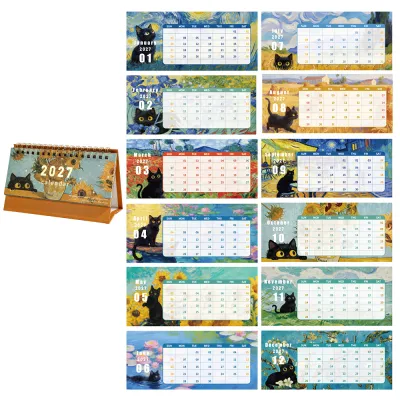
Prices are valid at publication and may change. Please refer to the product page for the latest price.
Layout formats must align with your cognitive style and daily scheduling demands. Daily layouts offer maximum space for hourly time-blocking and detailed task lists, making them suitable for busy professionals, students, or those who combine scheduling with daily journaling. Weekly layouts provide a broader overview of the week across a two-page spread, which is ideal for project managers who need to track deadlines rather than hourly appointments. Monthly spreads serve as high-level planners for milestones, travel, and major events. When evaluating a brand, consider whether their pre-printed templates force you into a rigid structure or offer the flexibility to adapt to changing weekly routines.
Binding construction directly affects the usability and longevity of your planner. Thread-sewn binding, often referred to as Smyth sewn, allows the planner to lay completely flat on your desk, ensuring comfortable writing near the inner margins without forcing the spine. Spiral or wire-o binding offers 360-degree foldability, which saves desk space, but the metal or plastic coils can interfere with your hand placement while writing. Disc-bound systems provide maximum customization, allowing you to insert, remove, and rearrange pages at will, though they require specialized punches and sturdier page margins to prevent sheets from tearing loose over time.
Portability and cover materials are critical considerations for planners that travel in a bag daily. Standard paper sizes like A5 (148mm x 210mm) offer a balanced compromise between writing space and portability, fitting easily into most commuter bags in Singapore. Smaller B6 or A6 sizes are highly portable but limit the amount of detailed information you can record, while larger A4 planners are best reserved for permanent desk setups. Cover materials range from rigid hardcovers that provide a stable writing surface on your lap to flexible softcovers that reduce overall weight. In Singapore’s humid climate, synthetic covers like polyurethane or water-resistant fabrics often prove more durable than untreated bookcloth or genuine leather, which can be sensitive to moisture and environmental changes.
Planner Brand Categories to Consider for 2027
The global and local stationery markets offer a diverse array of planner brands, each operating under a distinct design philosophy. Some brands focus entirely on productivity, utilizing structured templates, time-tracking columns, and goal-setting frameworks to help users optimize their schedules. Other brands prioritize creative expression, offering blank, lined, or dot-grid pages that serve as a canvas for sketching, scrapbooking, and artistic bullet journaling.

Choosing between these categories involves weighing the convenience of pre-printed structures against the freedom of a blank canvas. A highly structured planner saves preparation time but can result in wasted space if your daily routine does not fit the pre-defined boxes. Conversely, a flexible, open-format planner accommodates changing creative needs but requires a consistent time commitment to draw layouts, write dates, and maintain organizational systems throughout 2027.
Minimalist and Professional Planners
Minimalist and professional planner brands are designed for users who require clean, distraction-free layouts to manage complex schedules and professional projects. These planners typically feature muted color palettes, elegant typography, and highly organized grids. Common layout elements include hourly schedules, dedicated sections for daily priorities, and project-tracking matrixes that help break down long-term goals into actionable daily steps.
To support daily professional use, these brands often utilize paper weights ranging from 70 GSM to 90 GSM. This thickness keeps the planner relatively slim and lightweight, even with a full page dedicated to every day of the year. The paper is typically optimized for quick-drying gel pens and ballpoints, which are standard in fast-paced work environments where you cannot wait for ink to dry before closing the book. Thread-sewn bindings are almost universal in this category, ensuring the planner remains open and flat on a desk for quick reference during meetings.
However, these professional layouts present clear limitations for users who enjoy creative customization. The pre-printed lines, hourly timestamps, and narrow margins leave very little room for decorative elements, stickers, or extensive sketching. Additionally, the lightweight paper used to maintain a slim profile may exhibit ghosting or bleed-through if subjected to heavy markers, watercolor washes, or broad-nib fountain pens.
Creative and Bullet Journaling Planners
Creative and bullet journaling planner brands cater to individuals who view their daily planner as a hybrid of a schedule, a personal diary, and an art journal. These brands often feature dot-grid or completely blank pages, providing a subtle guide for writing and drawing without imposing a rigid structure. This format allows you to design custom trackers for habits, moods, sleep, and personal projects alongside your daily agenda.
Because creative planning often involves a variety of writing mediums, these brands prioritize heavy, high-performance paper. Page thicknesses typically range from 120 GSM to 160 GSM, creating a sturdy cardstock-like feel that can handle water-based markers, brush pens, stamps, and light watercolor washes without bleeding through to the other side. The paper surface is often engineered to be exceptionally smooth, reducing wear on delicate brush pen tips.
When choosing a creative planner brand, consider how the binding handles physical expansion. As you add stickers, washi tape, photos, and ephemera, the pages will naturally swell, causing the planner to expand. Look for brands that offer flexible bindings, expandable back pockets, or elastic closure bands that can accommodate this added bulk without putting excessive strain on the spine or causing the cover to warp.
Local and Independent Singaporean Brands
Exploring homegrown Singaporean stationery brands offers unique advantages, particularly regarding layout relevance and local design sensibilities. Independent local designers often create planners that directly address the lifestyle and scheduling needs of residents, combining functional layouts with regional aesthetic influences.
One of the primary benefits of choosing a local brand is the integration of localized scheduling features. These planners frequently come pre-printed with Singapore public holidays, school term dates, and regional observances, saving you the hassle of manually cross-referencing external calendars. Some local brands also include specialized sections for tracking regional travel, local expenses, or tropical lifestyle habits.
When evaluating independent local labels, it is important to verify their manufacturing and paper sourcing standards, as production scales are typically smaller than those of global corporations. Look for brands that provide detailed specifications about their paper origin, such as FSC-certified sustainable paper, and those that use high-quality binding techniques like Smyth sewing. Visiting local physical stockists or design markets allows you to handle the physical product, feel the paper texture, and inspect the print alignment before purchasing.
Keep in mind that independent local brands often operate on limited production runs and pre-order models. Because they do not mass-produce on a global scale, popular designs can sell out quickly, and restocking may not occur before the start of 2027. Be sure to check typical lead times and pre-order windows, which often open several months before the new year, to secure your preferred layout.
Where to Source and Pre-Purchase Checks
To ensure you receive an authentic 2027 daily planner that meets your expectations, it is essential to navigate your purchasing channels carefully. Planners can be sourced directly from official brand websites, specialized physical stationery boutiques, and authorized online marketplaces. Visiting a physical boutique is highly recommended if you are trying a new brand, as it allows you to test the paper with your preferred writing instruments, assess the true cover colors, and feel the physical weight of the book.
When budgeting for your 2027 planner, compare prices in S$ across different retail platforms. While purchasing directly from international brand websites can sometimes offer a wider selection of cover designs, international shipping fees to Singapore can significantly increase the total cost. Check if local stationery boutiques or authorized distributors offer the same models, as they often bundle shipping costs into a more competitive local retail price or offer free local delivery above a certain spending threshold.
Before finalizing your purchase, perform a thorough check of the product specifications to ensure it matches your timeline. Double-check that you are purchasing a dated 2027 edition rather than an undated version or a leftover 2026 planner. Verify the start month of the planner; while most follow the standard calendar year starting in January, some academic or fiscal planners start in April, July, or September, which may not align with your planning cycle.
Finally, review the retailer’s return and exchange policies. Because planners are paper-based products, they can occasionally suffer from manufacturing defects such as misprinted pages, upside-down bindings, or damage sustained during transit. Ensure the seller offers a clear resolution process for defective items, and inspect your planner thoroughly upon delivery—checking the spine, cover corners, and page order—before you begin writing in it.
Frequently Asked Questions (FAQ)
When do brands typically release their 2027 planner editions?
Most major global and local stationery brands release their daily planners for the upcoming year between August and October of the preceding year. Pre-order campaigns often launch as early as July, particularly for independent brands or limited-edition cover collaborations. To secure highly sought-after designs or take advantage of early-bird pricing, it is best to monitor official brand newsletters and local stationery boutique announcements during the mid-year period.
Is it better to buy a dated 2027 planner or an undated version?
A dated 2027 planner is highly beneficial if you maintain a consistent daily writing routine and appreciate the structure of pre-printed calendar days, weeks, and months. This format saves preparation time and serves as an organized chronological archive of your year. An undated planner is more suitable if your scheduling habits are intermittent or if you frequently skip days or weeks. Undated versions allow you to fill in the dates only when you use them, preventing empty, wasted pages and allowing you to pause and resume your planning at any point without losing notebook space.
Community discussion
Share your experience or ask a question. Comments are reviewed before publication.