
Navigating Singapore’s cashless payment ecosystem requires a clear understanding of the various card options in your wallet. A reloadable NETS card is a highly versatile contactless payment tool widely used across the country’s transport networks, motoring infrastructure, retail outlets, food courts, and self-service kiosks. Unlike bank-issued debit cards, these prepaid, stored-value instruments allow you to make swift, pin-less transactions simply by tapping or inserting them into compatible terminals.
To maximize the utility of your card, you must understand where it excels—such as at Electronic Road Pricing (ERP) gantries and transit checkpoints—and where its acceptance differs from standard bank-linked payment methods. Knowing these scenarios helps you plan your daily spending, avoid transaction failures, and manage your funds efficiently.
Identifying Your Card: Reloadable Stored-Value vs. Bank Debit
Many consumers confuse the general term “NETS” with the specific physical card they hold. A reloadable NETS card is a prepaid, stored-value instrument that requires manual top-ups before use, operating independently of any direct link to your personal bank account. Your spending is strictly limited to the balance currently loaded onto the card’s physical chip or digital account.
Products mentioned in this guide
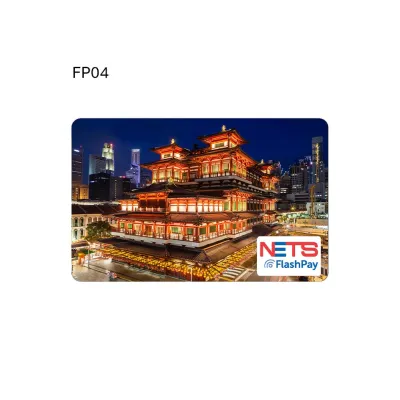

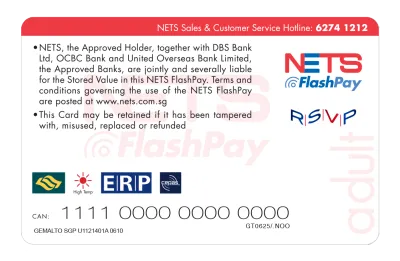
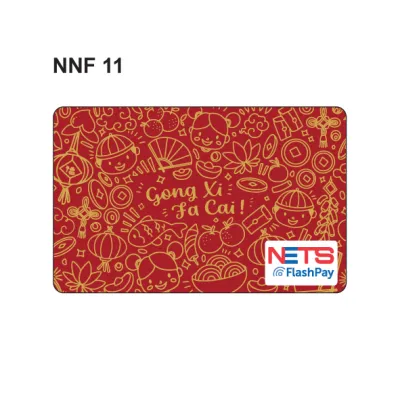
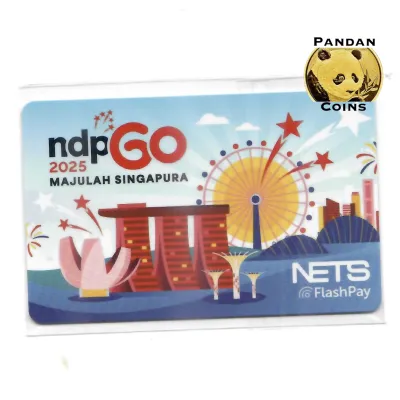
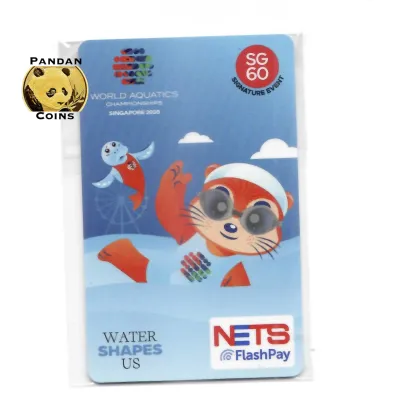
Prices are valid at publication and may change. Please refer to the product page for the latest price.
In contrast, a bank-issued NETS debit card is linked directly to your savings or current account. When you use a bank debit card, funds are immediately drawn from your bank balance, and transactions usually require a Personal Identification Number (PIN) entry or a contactless signature for high-value purchases. These cards are widely accepted for larger retail transactions but cannot be used in legacy motoring systems that require physical stored-value cards.
Identifying your exact card type is the critical first step in planning your daily spending. Certain infrastructure, such as older motoring gantries and specific transit readers, strictly requires a physical stored-value card to process payments instantly. Conversely, some retail terminals or boutique merchants might only accept bank-linked debit cards, rejecting prepaid stored-value cards due to differing merchant terminal configurations.
Common variants of reloadable cards include the legacy NETS CashCard, the NETS FlashPay card, the NETS Motoring Card, and the newer NETS Prepaid Card. Each variant has distinct underlying technology, which directly influences its compatibility with different payment terminals across Singapore. For example, legacy CashCards rely on contact-based chips, while FlashPay and Motoring Cards use contactless CEPAS (Contactless e-Purse Application System) technology.
Motoring and Commuting: ERP, Carparks, and Public Transit
For motorists in Singapore, a reloadable card is an essential accessory for navigating the city’s expressways and restricted zones. Stored-value cards are designed to be inserted directly into the vehicle’s In-vehicle Unit (IU) or the newer On-Board Unit (OBU) for automatic toll deductions when passing through active Electronic Road Pricing (ERP) gantries.

It is vital to check which card version your specific vehicle unit supports. The classic NETS CashCard is widely compatible with first-generation dual-mode IUs, while newer contactless cards like the NETS Motoring Card or NETS FlashPay are optimized for dual-mode IUs and the newer ERP 2.0 OBU systems. Keeping the correct card variant in your vehicle ensures uninterrupted travel during peak hours.
Most public and private carparks in Singapore utilize the Electronic Parking System (EPS), which automatically scans your vehicle’s IU or OBU upon entry and exit. The system deducts the parking fee directly from the reloadable card inserted in your unit, eliminating the need to manually pay at a physical station before exiting.
Before driving into a carpark, motorists should verify if the specific gantry system accepts their exact card variant. While most modern EPS gantries support multiple stored-value formats, some older private carparks may have legacy readers that only process specific card types. Keeping a backup card in your glove compartment is a practical way to avoid being stranded at a carpark exit.
Under Singapore’s transit framework, the compatibility of reloadable cards for bus and MRT commutes depends heavily on the underlying card technology. Legacy stored-value cards that do not carry the SimplyGo compatibility label are generally phased out for public transit tap-in and tap-out readers. If you plan to use a reloadable card for transit, ensure it is a SimplyGo-compatible NETS Prepaid Card or an upgraded CEPAS card to avoid boarding delays.
Daily Shopping and Dining: Retail, Groceries, and Food Courts
Reloadable cards offer a swift, contactless payment option at major supermarket chains and convenience stores across Singapore. These high-traffic environments are typically equipped with multi-functional payment terminals that accept a variety of cashless methods. You can easily tap your card to pay for your weekly groceries or quick snacks.
However, do not assume universal acceptance across every single branch or franchise outlet. It is best practice to look for the distinct blue-and-red NETS logo displayed at the checkout counter or on the terminal screen before tapping your card to pay. Some smaller franchise outlets may only support credit card networks or mobile wallets.
In line with Singapore’s nationwide push toward cashless dining, many hawker stalls and food courts now support digital payments. You can often use your reloadable card at stalls equipped with physical payment terminals or unified SGQR labels. When using a unified SGQR code, ensure that the specific QR label lists NETS as an accepted payment scheme.
Beyond food and groceries, reloadable cards are accepted at various retail establishments, including major bookstores, local pharmacies, and department stores. These locations use integrated point-of-sale systems designed to handle quick micro-transactions. Because terminal configurations can vary, always confirm payment acceptance with the cashier before completing your purchase, particularly when shopping at smaller independent boutiques.
Bill Payments and Kiosks: Utilities and Self-Service Terminals
Self-service terminals like AXS Stations and SAM Kiosks are located throughout Singapore, providing a centralized platform for managing household bills and administrative fees. You can use your reloadable card at these physical kiosks to pay utility bills, telecommunication charges, and town council fees. To complete a payment, simply follow the on-screen instructions, select the appropriate billing organization, and insert or tap your card when prompted by the terminal.
While these kiosks support a wide range of transactions, certain high-value bills, specific government services, or online portal payments may not accept prepaid stored-value cards. These transactions often require a bank-linked NETS debit card, a credit card, or a direct bank transfer due to stricter security protocols and transaction limits. Always check the kiosk screen for any payment restrictions or additional convenience fees that might apply to prepaid cards before finalizing your transaction.
After completing any payment at a self-service kiosk, always collect and inspect the physical or digital transaction receipt. Verify that the correct amount has been deducted from your card balance and that the status of the transaction is marked as successful. Keeping these receipts is crucial for resolving any potential billing discrepancies with your service providers.
Managing Your Card: Reloading, Balances, and Expiry
Keeping your card funded is straightforward, with multiple top-up channels available across Singapore. You can reload your card at local bank ATMs (DBS/POSB, OCBC, and UOB), AXS kiosks, self-service transit ticket machines, and selected convenience store counters. Note that while topping up at bank ATMs is typically free of convenience fees, some retail counters may charge a nominal service fee of around S$0.50 per transaction.
For added convenience, some card issuers offer dedicated mobile applications that allow you to top up your card using your smartphone’s Near Field Communication (NFC) capabilities. This allows you to transfer funds directly from your preferred digital payment method to your physical card without visiting a physical kiosk.
To avoid the inconvenience of an insufficient balance, make it a habit to monitor your card’s remaining stored value regularly. You can check your balance at any transit ticket machine, AXS station, compatible ATM, or via the issuer’s mobile application. Checking your balance is especially critical before passing through an ERP gantry or entering an EPS carpark, as an empty card can lead to immediate transaction failures.
Every physical reloadable card has a defined lifespan, typically ranging from five to seven years from the date of manufacture. You can find the expiry date printed on the back of the card or check it digitally through a compatible reader or mobile app. When your card approaches its expiry date, follow the issuer’s official guidelines for card replacement. Most issuers provide a straightforward process to transfer any remaining stored-value balance from the expired card to a new one, ensuring your funds are not lost.
Frequently Asked Questions (FAQ)
Can I use my reloadable NETS card for online shopping?
Physical stored-value cards are primarily designed for offline, point-of-sale, or physical kiosk transactions where a terminal can directly read the card’s chip or antenna. Consequently, standard physical cards cannot be typed into typical online checkout fields that require standard credit or debit card numbers.
If you wish to use your funds online, check if your specific card issuer offers a virtual card alternative or a dedicated mobile app integration. Some modern prepaid systems allow you to link your physical card to an app, enabling digital payments at approved online merchants or partner platforms.
What happens if my card has insufficient balance at an ERP gantry?
If your card lacks the necessary funds when passing through an active ERP gantry, the In-vehicle Unit (IU) or On-Board Unit (OBU) will emit a warning beep, and the gantry’s overhead camera system will log your vehicle’s license plate. The physical barrier is not affected, but you will receive a notification for an unpaid toll.
To resolve this, you will typically be issued a violation notice by the transport authority, which includes the original toll amount plus an administrative fee. You must rectify this missed payment through official online portals, AXS stations, or designated mobile apps within the stipulated timeframe to avoid further penalties.
Is there a maximum storage limit on a reloadable NETS card?
Yes, all reloadable stored-value cards have a maximum monetary capacity limit set by the issuer to manage security risks and comply with local regulatory frameworks. This limit prevents excessive financial loss in the event that the physical card is misplaced, stolen, or damaged.
To find the exact maximum capacity for your specific card type, refer to the terms and conditions provided on the issuer’s official website or check the card’s packaging. Knowing this limit helps you plan your reloading habits, especially if you use the card frequently for high-value motoring or transit expenses.
Community discussion
Share your experience or ask a question. Comments are reviewed before publication.