
Navigating the payment landscape in Singapore is highly convenient, but choosing the right cashless instrument requires understanding where and how your card is accepted. The Merlion NETS Prepaid Card is a popular reloadable option designed for everyday convenience, yet its usability is governed by specific payment network standards rather than a single, permanent list of participating merchants. Instead of guessing whether a particular shop or service accepts your card, you can easily verify compatibility by looking for key visual indicators, understanding terminal configurations, and identifying the underlying payment protocols. This guide provides a comprehensive framework to help you determine exactly where you can use your card for retail, public transport, motoring, and digital transactions across Singapore.
How to Verify Retail and Dining Acceptance
When stepping into a physical retail store, supermarket, or dining establishment in Singapore, verifying acceptance begins with a quick visual scan of the checkout counter. The most reliable indicator is the presence of the standard NETS logo, which is typically displayed on the payment terminal screen, on a decal near the cash register, or on a unified SGQR label. Because the Merlion NETS Prepaid Card operates on this established local network, merchants equipped with active NETS terminals are generally capable of processing your transaction. This includes major supermarket chains, convenience stores, department stores, and a vast number of food stalls in hawker centers and food courts.
However, it is important to distinguish between general NETS bank card acceptance and specific prepaid card support. Standard NETS transactions are often processed directly from a user’s linked bank account via a debit card. Some older payment terminals or highly customized merchant point-of-sale (POS) systems may be configured exclusively for these bank-linked debit transactions, occasionally restricting prepaid instruments. To avoid any inconvenience at the register, look for terminals that support contactless tap-to-pay functionality, as prepaid cards rely primarily on this interface. If you are unsure, a quick verbal check with the cashier or a trial tap on the terminal will immediately confirm whether the merchant’s specific terminal configuration supports prepaid cards.
Products mentioned in this guide
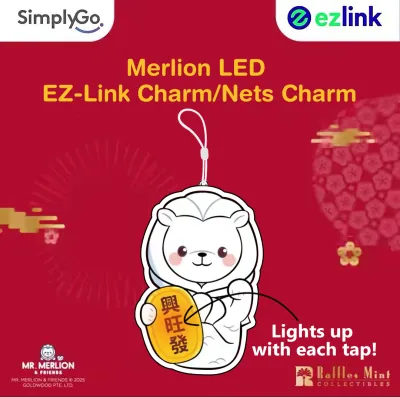
Prices are valid at publication and may change. Please refer to the product page for the latest price.
For online shopping and digital services, acceptance depends on the payment gateway integrated into the e-commerce platform. Local online marketplaces and digital service providers that cater specifically to the Singapore market often include NETS as a checkout option. When finalizing your purchase online, look for the NETS payment gateway logo during the checkout process. Keep in mind that because this card operates on a localized payment network, it is generally not compatible with international e-commerce platforms that do not integrate Singapore-specific payment gateways. Always verify the available payment methods on the website’s checkout page before adding items to your cart.
Using the Card for Public Transport and Transit
Public transportation is one of the most common use cases for a reloadable card in Singapore, but successful travel depends on the card’s technical specifications. To use your Merlion NETS Prepaid Card on buses and trains, you must first verify its compatibility with local transit standards. Look at the physical card for specific compliance markers, such as the SimplyGo logo or a CEPAS (Contactless e-Purse Application System) identifier. These markings indicate that the card is equipped with the necessary contactless technology to communicate with transit readers managed by the Land Transport Authority.

Once compatibility is confirmed, using the card is straightforward. When entering an MRT station or boarding a public bus, look for the standard acceptance symbols on the transit gantries and card readers. Placing your card flat against the reader’s scanning surface will trigger a successful beep and display your card status. This same tap-to-pay convenience extends to many local taxis and point-to-point transport services. Most taxi fleets in Singapore feature payment terminals that accept contactless NETS payments, though it is always recommended to check with the driver or inspect the terminal screen before commencing your journey, as private hire vehicle apps typically require a linked credit or debit card rather than a physical prepaid card.
To ensure uninterrupted travel, you must adhere to transit-specific operational rules. The transit system enforces a minimum stored-value requirement; if your card’s balance falls below this threshold (typically a few dollars, such as S$3.00), the MRT gantry or bus reader will display an error message, and you will be unable to tap in. Keeping your card sufficiently topped up is essential. Additionally, using a compatible prepaid card allows you to benefit from standard distance-based transit fares and transfer discounts, provided you tap in and out correctly on every leg of your journey within the designated transfer timeframes.
Paying for Everyday Services and Kiosk Transactions
Beyond shopping and transit, everyday life in Singapore involves various automated services, motoring expenses, and kiosk transactions. Motoring costs, such as Electronic Road Pricing (ERP) charges and car park fees, are heavily reliant on CEPAS-compliant cards. If your Merlion NETS Prepaid Card features the CEPAS logo, it can be inserted directly into a vehicle’s In-Vehicle Unit (IU) to facilitate automatic deductions at ERP gantries and car park exit readers. However, compatibility can vary depending on the generation of your vehicle’s IU. Older units and certain car park systems are highly sensitive to card specifications, so it is crucial to verify that your card is securely slotted and recognized by the unit before driving through a gantry.
Self-service kiosks, ticketing machines, and vending machines represent another common transaction scenario. These standalone terminals are highly convenient but often have strict payment processing limitations. Before attempting to pay for a drink, a movie ticket, or a parking session at a physical kiosk, check the terminal’s bezel or digital screen for the NETS logo. Some older vending machines or localized kiosks may only accept physical cash or specific credit card networks, while others might support QR-based payments but lack a physical card reader. Checking the active payment options on the screen will save you time and prevent declined transactions.
When it comes to bill payments, public utilities, and government service portals, prepaid cards face notable restrictions. Many official portals and billing systems block prepaid instruments as a security measure or due to processing limitations, preferring direct bank transfers, GIRO arrangements, or standard credit cards. If you need to settle a utility bill or pay for a government service, always review the portal’s accepted payment methods. Attempting to use a prepaid card on these platforms often results in a declined transaction, so keeping an alternative payment method on hand is highly advisable for these specific administrative tasks.
Cross-Scenario Compatibility and Card Limitations
Evaluating whether a single card can meet all your daily needs requires a clear understanding of its operational boundaries and physical capabilities. One key aspect of modern payment compatibility is the transition between physical tap-to-pay and digital QR code scanning. While the physical Merlion NETS Prepaid Card is designed primarily for contactless tapping at terminal readers, some merchant setups—particularly small hawker stalls or temporary pop-up markets—may only display a printed SGQR code. To use your prepaid funds in these scenarios, you must check if the card issuer provides a companion mobile application that allows you to link your physical card and scan QR codes directly from your smartphone.
From a physical standpoint, the card is constructed from durable, water-resistant plastic designed to withstand daily handling. However, physical wear, deep scratches, or bending can damage the internal contactless antenna. If you observe physical degradation, testing the card at a transit ticketing machine is a reliable way to verify its ongoing functional integrity. This physical check is especially important if you plan to use the card daily across multiple high-contact environments.
Another critical boundary is geographical. The Merlion NETS Prepaid Card is strictly a domestic payment instrument designed for use within Singapore. It does not support overseas transactions, cross-border retail payments, or foreign currency settlements. If you travel outside of Singapore, the card cannot be used at international merchants, nor can it be used to withdraw cash from overseas ATMs. This local exclusivity ensures high security and compliance with domestic financial regulations, but it means you must plan for alternative payment methods when traveling abroad or shopping on international websites.
Finally, long-term usability is governed by the card’s terms and conditions, which you should review carefully. Every prepaid card has a defined expiry date, which is typically printed on the back of the card or viewable within its companion app. Once a card expires, it can no longer be used for transactions, and any remaining balance must be recovered through the issuer’s official refund procedures, which may be subject to administrative fees. Additionally, some cards may incur dormancy fees if they remain inactive for a specified number of consecutive months. Regularly checking your card’s expiry date and maintaining active usage will help you avoid unnecessary fees and ensure your funds remain fully accessible.
Frequently Asked Questions (FAQ)
Can I use the Merlion NETS Prepaid Card for overseas online shopping?
No, the card is restricted to domestic transactions within Singapore. It cannot be used on international e-commerce platforms or websites that settle payments in foreign currencies. For online shopping, it only works on local platforms that integrate domestic payment gateways supporting local prepaid networks.
What should I do if the card is declined at a compatible terminal?
First, check your remaining stored value using a companion app, transit ticketing machine, or self-service kiosk to ensure you have sufficient funds. Second, verify that the card has not expired or been temporarily blocked. If the balance is sufficient and the card is active, the decline may be due to a temporary terminal network error; in such cases, ask the merchant to retry the transaction or use an alternative payment method.
Community discussion
Share your experience or ask a question. Comments are reviewed before publication.