
Finding a meaningful, compact, and culturally rich souvenir from Singapore often leads travelers and collectors to the iconic S$1 coin. Known for its distinct octagonal frame and symbolic designs, this coin serves as a tangible piece of the nation’s history and daily life. Whether you are looking for a simple token of your travels or a premium collectible gift for a special occasion, sourcing an authentic coin in excellent condition requires knowing where to look and what to look for.
To purchase authentic Singapore S$1 coins as souvenirs, you can access several reliable channels depending on the type of coin you desire. The official producer, specialized local dealers, and verified online platforms all offer distinct advantages for collectors and gift-givers alike. By understanding the different coin varieties and verifying their condition, you can ensure your souvenir remains a cherished keepsake for years to come.
Types of Singapore $1 Coins Suitable for Souvenirs
Before beginning your search, it is helpful to understand the different varieties of S$1 coins available, as this will dictate where you should shop and how much you should expect to spend. Singapore’s S$1 coins generally fall into three categories: standard circulating coins, uncirculated or proof-condition collector pieces, and specially designed commemorative editions.
Products mentioned in this guide
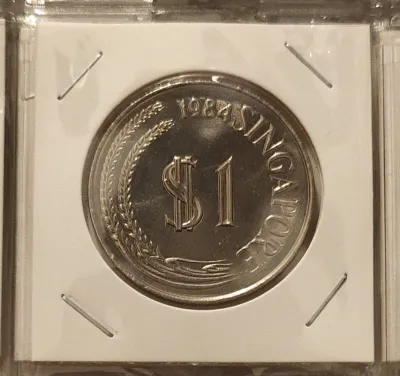
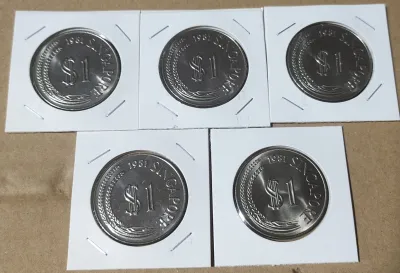
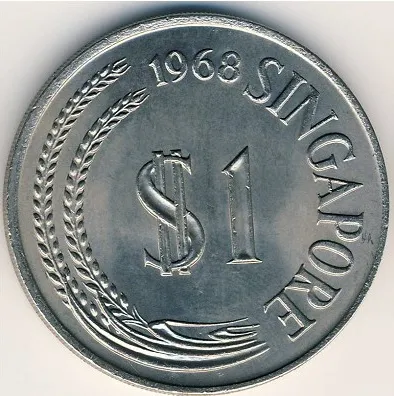
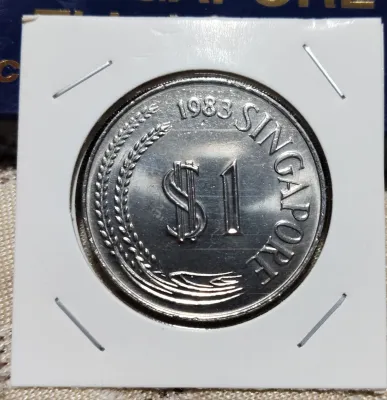
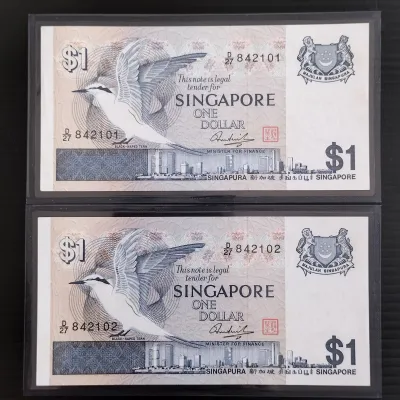
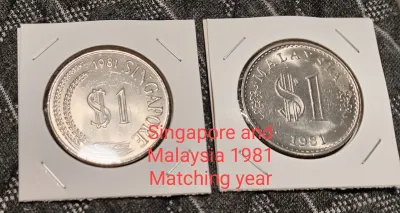
Prices are valid at publication and may change. Please refer to the product page for the latest price.
Standard circulating coins are the everyday coins used in transactions across the city-state. Singapore has issued three distinct series of circulating coins since its independence. The First Series, introduced in 1967, features a stylized marine lion design. The Second Series, launched in 1985, introduced the famous floral designs—specifically the periwinkle flower for the S$1 denomination—along with the iconic octagonal outer frame. The Third Series, which entered circulation in 2013, features the Merlion, a mythical creature with a lion’s head and a fish’s body, alongside the national orchid, Vanda Miss Joaquim. While you can easily find these coins in daily change, finding them in pristine, scratch-free condition suitable for gifting usually requires sourcing them from specialized channels.
For a more polished presentation, uncirculated and proof-condition coins are highly recommended. Uncirculated coins are struck using standard production methods but are handled with extreme care to prevent the minor scuffs and scratches that occur during mass distribution. They retain a bright, satin-like luster. Proof coins, on the other hand, represent the pinnacle of the minting craft. They are struck multiple times using specially polished dies and blanks, resulting in a mirror-like background and frosted, highly detailed design elements. These coins are specifically produced for collectors and are never intended for general circulation.
Commemorative S$1 coins are issued to mark significant national milestones, historical anniversaries, or cultural celebrations. Examples include coins celebrating the annual Lunar New Year zodiac animals, national landmarks, or major sporting events. These coins often feature unique artistic designs, selective coloring, or precious metal compositions, such as fine silver or gold-plated copper-nickel. Because they are minted in limited quantities, they carry a collectible value that far exceeds their nominal face value.
The packaging of your coin souvenir plays a crucial role in its appeal as a gift. Loose coins are highly affordable and versatile, making them ideal if you plan to incorporate them into custom jewelry, keychains, or DIY display frames. Blister packs feature the coin sealed inside a protective plastic bubble attached to a beautifully illustrated card that provides historical context and technical specifications. For premium gifting, official presentation cases made of velvet, leatherette, or polished wood offer an elegant display option that protects the coin while emphasizing its status as a high-value collectible.
Reliable Channels to Purchase Authentic Coins
Sourcing your souvenir from a reputable seller is the most effective way to guarantee its authenticity and ensure you are paying a fair market price. Singapore offers several established retail and online channels where you can confidently purchase genuine coins.

The primary and most reliable source for official coin souvenirs is the national minting authority. The Singapore Mint operates dedicated retail outlets, seasonal roadshows, and an official online store. Shopping directly through this channel guarantees that you are purchasing authentic, officially licensed numismatic products. Here, you can find the latest commemorative releases, proof sets, and beautifully packaged coin gifts complete with official documentation. Because they deal directly with the public, their staff can provide expert guidance on the history and care of each piece.
If you are looking for standard circulating S$1 coins in pristine, uncirculated condition, local bank branches are an excellent option. During major festive seasons, such as the weeks leading up to Lunar New Year, local banks distribute newly minted coins to the public. While you cannot purchase older commemorative editions at a bank, you can exchange standard currency for fresh, crisp circulating coins at face value. Keep in mind that availability is highly seasonal, and banks may enforce limits on the quantity of new coins each customer can receive.
For vintage issues, older coin series, or rare commemorative editions that are no longer in production, certified numismatic dealers are invaluable. These specialized coin shops are typically located in historic retail complexes, such as those in Chinatown or central shopping districts. Reputable dealers are often members of recognized professional numismatic associations, which obligates them to adhere to strict ethical standards and authenticity guarantees. Visiting these shops allows you to examine the coins in person and speak with knowledgeable collectors who can share insights into the rarity and history of different issues.
General e-commerce platforms and online marketplaces offer a convenient alternative, especially if you are shopping from abroad or looking for a specific past release. However, navigating these platforms requires caution to avoid counterfeit items or highly inflated prices. When shopping online, prioritize sellers who hold official store badges, maintain high positive feedback ratings, and offer robust buyer protection policies. Look for listings that provide clear, high-resolution photographs of the actual coin rather than generic stock images, and read customer reviews to gauge the seller’s reliability and packaging quality.
Key Checks for Authenticity and Condition
When purchasing collectible coins, especially from secondary markets or online sellers, performing a thorough inspection is essential to verify both authenticity and physical condition.
First, always inspect the accompanying documentation. Official commemorative and proof coins are almost always accompanied by a Certificate of Authenticity issued by the mint. This certificate should detail the coin’s exact specifications, including its metal composition, weight, diameter, and maximum mintage limit. Many certificates also feature a unique serial number that matches the numbering on the outer packaging. Additionally, look for official security features, such as tamper-evident holographic seals on the blister packs or presentation boxes, which indicate that the packaging has not been opened or altered.
Next, examine the physical condition of the coin itself. If the coin is housed in a protective plastic capsule, inspect the coin’s surface through the plastic under a strong, angled light source. Look for signs of improper handling, such as fingerprints, which contain oils that can permanently etch and discolor the metal over time. Check for hairline scratches, scuffs, or signs of cleaning, such as fine parallel lines across the coin’s surface. For silver coins, look for “milk spots”—cloudy white patches that can form during the minting process—or uneven tarnish, which can affect the coin’s aesthetic appeal and value.
Finally, review the seller’s return and exchange policies before finalizing your purchase. Because the value of numismatic items is heavily dependent on their condition, reputable dealers should offer a clear return window if the item you receive does not match the described condition or if its authenticity is called into question. Be wary of sellers who enforce strict “no returns” policies on high-value items, as this can make resolving disputes difficult if the coin arrives damaged or misrepresented.
Alternative Coin Gifts and Sets
If you find that specific standalone S$1 souvenir coins are out of stock or do not fully meet your gifting needs, several excellent alternative coin gifts and sets can provide a similar or even enhanced souvenir experience.
Annual uncirculated coin sets are a highly popular alternative. These official sets package all of Singapore’s circulating coin denominations—ranging from the 5-cent coin to the S$1 coin—together in a single, beautifully designed presentation folder. Purchasing an annual set provides a complete snapshot of the nation’s currency for a specific year, making it an exceptional gift for milestone events like births, weddings, or anniversaries. The coins in these sets are kept in pristine, untouched condition, preserving their original mint luster.
You can also explore thematic commemorative collections that feature other denominations. While the S$1 coin is highly popular, the national mint frequently issues commemorative coins in denominations of S$2, S$5, or S$10. These coins often share the same cultural, historical, or artistic themes as the S$1 issues, such as national defense, local flora and fauna, or historic architecture. A larger denomination coin can make an even more striking visual statement in a display case or on a desk.
If official gift packaging is unavailable for the specific coin you wish to purchase, you can easily elevate standard circulating coins using custom display options. Purchasing high-quality, aftermarket coin accessories allows you to create a personalized gift presentation. Consider placing a pristine S$1 coin inside a clear acrylic display frame that allows both sides of the coin to be viewed clearly. Alternatively, placing the coin inside a soft velvet drawstring pouch or a dedicated coin album page adds a touch of elegance and protection, transforming a simple piece of currency into a thoughtful, presentation-ready gift.
Frequently Asked Questions (FAQ)
Can I use commemorative $1 coins for everyday transactions?
Yes, official commemorative S$1 coins issued by the monetary authority are legal tender in Singapore, meaning they are legally recognized for the payment of debts and transactions. However, using them for everyday purchases is highly discouraged for several practical reasons. First, their collectible market value and the cost of their precious metal content often far exceed their nominal face value of S$1. Second, because these coins are produced in unique sizes, weights, or materials, automated payment systems, vending machines, and transit gates will not recognize them. Finally, standard retail cashiers may be unfamiliar with rare commemorative designs, which can lead to confusion or refusal at the point of sale. It is best to preserve these coins as historical keepsakes rather than spending them.
How should I store and handle coin souvenirs to prevent damage?
Proper storage and handling are vital to maintaining the condition and value of your coin souvenirs, especially in Singapore’s warm and humid tropical climate. When handling loose coins, always hold them by their outer edges rather than touching the flat surfaces, as the natural oils and acids on your fingertips can cause permanent staining, fingerprints, and corrosion. Wearing clean, lint-free cotton gloves is highly recommended whenever you need to handle unencapsulated coins.
For long-term storage, keep your coins in a cool, dry environment away from direct sunlight and extreme temperature fluctuations. High humidity can accelerate the oxidation of copper, nickel, and silver, leading to unsightly tarnish or green residue. Utilize airtight plastic capsules made of inert materials like acrylic, which shield the coin from atmospheric moisture and physical contact. Avoid using cheap PVC plastic sleeves, as PVC degrades over time and releases acidic chemicals that can permanently ruin the coin’s surface. Placing a small packet of silica gel inside your storage container can also help absorb excess moisture and protect your collection.

Community discussion
Share your experience or ask a question. Comments are reviewed before publication.