
Finding a genuine Shin Chan Touch ‘n Go card in Singapore requires navigating cross-border retail channels, as these limited-edition smart cards are primarily issued and distributed in Malaysia. Because these cards feature the beloved anime character Crayon Shin-chan, they are highly sought after by both daily commuters who travel across the Causeway and avid pop-culture collectors. To secure an authentic card, buyers must look to authorized Malaysian retail partners, reputable cross-border shipping services, or verified third-party sellers on regional online marketplaces. Understanding how to source, ship, and verify these cards ensures you receive a fully functional, licensed collectible rather than a low-quality counterfeit.
As a highly coveted piece of idol and character merchandise, the Shin Chan Touch ‘n Go card serves a dual purpose as a practical transit accessory and a valuable collector’s item. Because official releases often sell out quickly, the secondary market is flooded with listings, making caution and verification essential. By following a structured approach to identifying authorized sellers, managing international logistics, and testing the card’s physical and digital features upon arrival, you can confidently add this charming piece of stationery and technology to your collection.
How to Identify Official and Authorized Retailers
To minimize the risk of purchasing a counterfeit card, your first step should always be to identify legitimate primary sources and authorized distribution channels. Touch ‘n Go regularly collaborates with major brands and intellectual property owners to release themed cards, which are officially sold through a select network of partners. In Malaysia, these primary channels include official Touch ‘n Go Hubs, designated petrol stations, and authorized convenience store chains. Because these physical locations do not operate in Singapore, local buyers must rely on the official online storefronts maintained by these retailers on major regional e-commerce platforms.
Products mentioned in this guide
![[SG] Enhanced Touch n Go Card with NFC Technology](https://img.lazcdn.com/g/p/20878b945a29892409d035b3499d10fb.jpg_400x400q80.jpg_.webp)
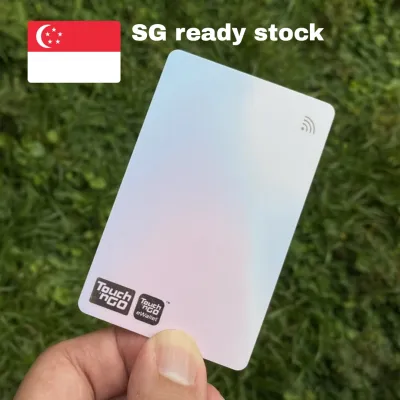
![Touch n go card with stored value for sales. (Touch n Go CardTouch and go Card) [Ship in 24 Hours]](https://img.lazcdn.com/g/p/256d951309e9089aa8583c991c1c7255.jpg_400x400q80.jpg_.webp)
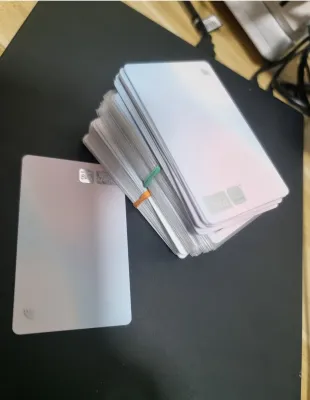
Prices are valid at publication and may change. Please refer to the product page for the latest price.
Before making a purchase, it is highly beneficial to check for official collaboration announcements from Touch ‘n Go. These announcements are typically published on their verified social media profiles and official website, detailing the exact release date, the authorized retail partners, and the recommended retail price. If a seller claims to have a design that was never officially announced, or if the design elements do not match the official promotional imagery, the card is likely an unauthorized custom print. Official cards will always feature the correct licensing credits, such as the copyright marks for Yoshito Usui, Futabasha, Shin-ei, TV Asahi, and ADK, printed clearly on the packaging.
Additionally, authorized physical retail partners in Malaysia sometimes offer click-and-collect options or direct international shipping to Singapore through their online portals. When browsing these sites, look for verification badges, official company registration details, and direct links from the manufacturer’s official website. Sourcing your card directly from these verified portals guarantees that you are receiving a genuine product with an active, authentic Near Field Communication (NFC) chip that is eligible for official customer support and warranty claims.
Safely Navigating Online Marketplaces and Resellers
When official retail channels are out of stock or do not offer direct shipping to Singapore, third-party online marketplaces and independent resellers become the primary alternative. Navigating these platforms safely requires a critical eye and a systematic approach to assessing seller credibility. Begin by examining the seller’s historical ratings, the volume of successful transactions, and the specific feedback left by previous buyers. Look for detailed reviews that explicitly mention the card’s NFC functionality and successful registration on the official mobile application, as these are strong indicators of a genuine product.

It is crucial to distinguish between official flagship stores, authorized distributors, and independent resellers on these platforms. Official flagship stores and authorized distributors are vetted by the platform and carry specific trust badges, offering the highest level of security. Independent resellers, while often legitimate collectors or small-scale importers, require closer scrutiny. Avoid sellers who have newly created accounts, low overall ratings, or a history of unresolved customer disputes regarding product authenticity.
Several red flags can help you identify potential scams or counterfeit listings on online marketplaces. An unusually low price that sits far below the average market rate for a limited-edition collectible is a primary warning sign. Furthermore, listings that rely solely on stock photos rather than actual photographs of the physical product in its original packaging should be approached with caution. Genuine cards are sold in sealed, branded packaging that includes specific security features, serial numbers, and licensing stickers. If a reseller refuses to provide real-time photos of the packaged card or cannot confirm that the card is brand new and unregistered, it is safest to look elsewhere.
Managing Cross-Border Shipping and Logistics
Shipping a smart card from Malaysia to Singapore involves practical logistics that can impact the final cost and safety of your purchase. Buyers generally have two main options: direct international shipping provided by the seller, or utilizing a third-party parcel forwarding service. Direct shipping is the most convenient method, as the seller handles the courier arrangements and provides a tracking number. However, if the official retailer or reseller only ships within Malaysia, a parcel forwarding service based in Johor Bahru or Kuala Lumpur can provide you with a local address to receive the package before forwarding it to Singapore.
When choosing a shipping method, it is important to understand courier restrictions regarding smart cards and electronic components. While standard Touch ‘n Go cards do not contain lithium batteries, they do contain sensitive NFC chips and internal antennae. Ensure that the shipping provider packages the card securely in a rigid, padded mailer to prevent bending, crushing, or exposure to extreme heat during transit. Standard paper envelopes offer insufficient protection and can result in the internal chip being damaged before it even arrives at your doorstep.
Additionally, buyers should factor in potential customs duties, handling fees, and transit insurance when calculating the total cost of the import. While low-value goods imported into Singapore may fall under specific tax-free thresholds depending on the shipping method, handling fees from courier services can add up. Opting for a shipping service that includes tracking and basic insurance is highly recommended for collectible merchandise. This ensures that you can monitor the package’s journey across the border and secure a refund or replacement if the item is lost or damaged in transit.
How to Verify Authenticity and Card Condition Upon Delivery
Once your Shin Chan Touch ‘n Go card arrives, performing a thorough physical and digital inspection is essential to confirm its authenticity and operational integrity. Start by examining the physical security features of the card and its packaging. Genuine cards are manufactured to strict specifications, featuring standard CR80 dimensions (85.60 mm by 53.98 mm) with a precise thickness of approximately 0.76 mm. The print quality on both the card and the packaging should be exceptionally sharp, with vibrant colors, clear text, and no signs of pixelation, color bleeding, or misalignment. Official licensing logos and holographic security stickers should be present and firmly adhered to the packaging.
Next, conduct a digital verification test using the official Touch ‘n Go eWallet application on an NFC-enabled smartphone. This is the most reliable method to confirm that the card contains a genuine, authorized chip. Open the application, navigate to the card registration section, and place the physical card against the NFC antenna location on your phone (typically near the top camera on iOS devices or the center back on Android devices). An authentic card will be detected immediately, displaying its unique serial number and allowing you to link it to your eWallet account. If the app fails to read the card, or if it displays an error indicating an invalid serial number, the card is likely a counterfeit or has a defective chip.
Finally, inspect the card for any subtle signs of tampering, repackaging, or physical damage. Check the edges of the card for any rough cuts, peeling layers, or adhesive residue, which could indicate that a custom sticker has been applied over a standard card. Ensure that the card is perfectly flat and free of any warping, deep scratches, or hairline cracks that could sever the internal antenna loop. A physically compromised card may fail to scan at physical readers, even if it successfully registers on your mobile device, making a meticulous physical check a vital step in the verification process.
Understanding Usage Scope and Regional Limitations
Before finalizing your purchase, it is important to align your expectations with the practical utility and regional limitations of the Shin Chan Touch ‘n Go card. While the card is a delightful collectible for anime enthusiasts, its primary function is as a payment instrument designed for the Malaysian transit and retail infrastructure. The card operates on a specific contactless frequency and protocol that is widely accepted across Malaysia for highway toll plazas, public transport networks (including the LRT, MRT, and local buses), and designated parking facilities.
For Singapore-based buyers, the card’s practical utility is highly relevant if you frequently drive or travel across the Causeway. The card can be used to pay the Road Charge (RC) and toll fees at the Johor Bahru checkpoints, as well as for public transport and retail payments within Malaysia. However, it is crucial to note that the card cannot be used for public transport within Singapore, such as on the MRT, LRT, or local SBS and SMRT buses, as Singapore utilizes a different transit payment standard. It is also incompatible with local Singapore retail payment terminals.
Furthermore, managing the card’s balance from Singapore requires an understanding of the eWallet ecosystem. While the enhanced NFC card allows you to top up your balance directly using your NFC-enabled smartphone and the official eWallet app, you must ensure that your eWallet account is properly set up and linked to a compatible payment method. Non-residents may face specific verification requirements or transaction limits when linking international credit or debit cards to the Malaysian eWallet app. Understanding these regional boundaries ensures you can enjoy your Shin Chan card as both a beautiful collectible and a functional travel tool without any unexpected surprises.
Frequently Asked Questions (FAQ)
Can I use the Shin Chan Touch 'n Go card for public transport in Singapore?
No, you cannot use the Shin Chan Touch ‘n Go card for public transport in Singapore. The card is designed specifically for the Malaysian transit and payment infrastructure, operating on a different technical standard than Singapore’s local transit system. It cannot be read by Singapore MRT gantries, public bus readers, or local retail payment terminals. Its practical transit utility is limited to public transport, toll plazas, and parking facilities within Malaysia, as well as toll payments at the Johor Bahru checkpoints.
What should I do if my card arrives damaged or fails to register?
If your card arrives damaged or fails to register on the official mobile application, you should immediately document the issue by taking clear, high-resolution photos and videos of the packaging, the physical card, and the error message on your smartphone screen. Do not attempt to use or alter the card. Contact the seller immediately through the official dispute resolution channel of the online marketplace where you made the purchase. Provide your documented evidence to request a replacement or a full refund, ensuring you adhere to the platform’s specific buyer protection timelines.
Community discussion
Share your experience or ask a question. Comments are reviewed before publication.