
Stored-value cards are a staple of daily life in Singapore, offering a seamless way to navigate the city’s extensive public transport network and make quick purchases. Among these, the NETS FlashPay card remains a popular choice for commuters, motorists, and shoppers alike. This contactless card allows users to make swift payments at thousands of touchpoints across the island, eliminating the need to carry bulky coins or wait for credit card authorization. If you are considering getting one, understanding its exact coverage, verification methods, and limitations will help you decide if it aligns with your daily lifestyle and spending habits.
To keep your physical cards protected and easily accessible during your daily travels, using a dedicated card holder or protective card sleeve is highly recommended. These stationery accessories prevent physical wear and tear on the card’s magnetic strip and contactless chip, ensuring reliable terminal reads every time you tap.
Core Acceptance Categories for Daily Use
Public transit is the cornerstone of this card’s utility. Commuters can use it to pay for rides on all public buses, Mass Rail Transit (MRT) trains, and Light Rail Transit (LRT) systems. The card operates on a simple tap-in and tap-out system at transit gantries, automatically calculating and deducting the correct distance-based fare. This makes it an incredibly efficient tool for daily travel, saving time during peak hours.
Products mentioned in this guide
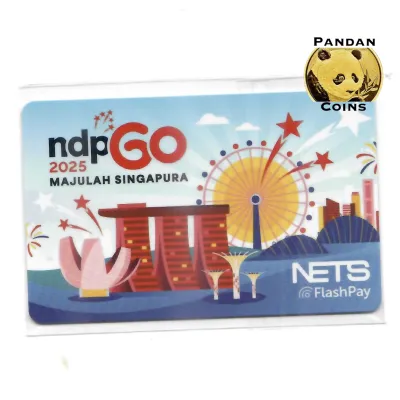
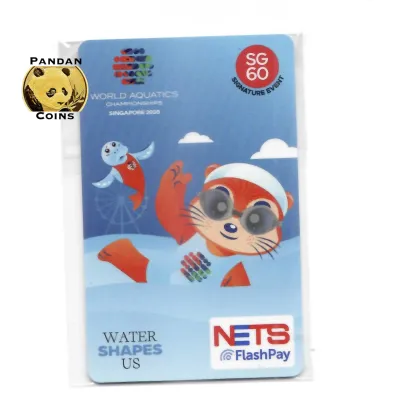
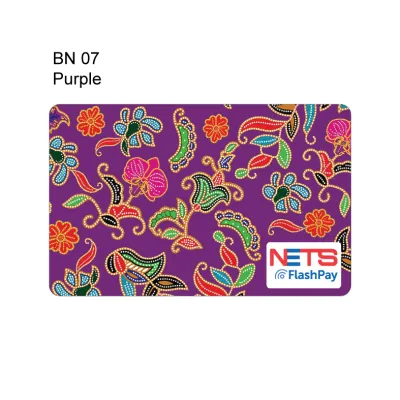
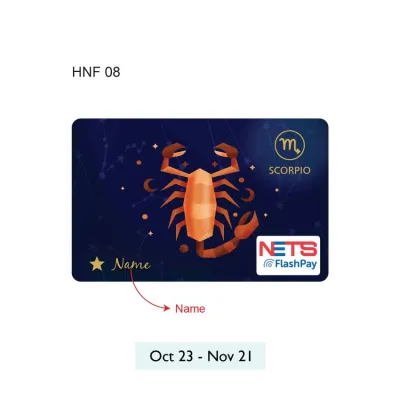
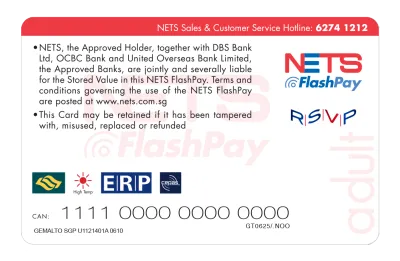
Prices are valid at publication and may change. Please refer to the product page for the latest price.
Beyond transit, the card is widely accepted across a broad spectrum of retail establishments. Major convenience stores, national supermarket chains, and neighborhood pharmacies support this payment method for everyday essentials. Whether you are grabbing a quick snack, purchasing groceries, or picking up personal care items, a simple tap on the payment terminal completes the transaction in seconds.
Food and beverage outlets also form a significant part of the acceptance network. Many food courts, quick-service cafes, and traditional coffee shops feature terminals compatible with the card. This is particularly convenient in busy commercial districts and hawker centers where speed is essential to keep queues moving during lunch hours.
For motorists, the card serves as a vital tool for managing road-related expenses. It is fully compatible with dual-mode In-Vehicle Units (IUs) and the newer onboard units installed in vehicles. This compatibility allows drivers to pay for Electronic Road Pricing (ERP) charges seamlessly as they pass through active gantries. Additionally, the card can be used to pay for parking fees at numerous car parks equipped with compatible Electronic Parking Systems (EPS) across the island.
How to Verify Merchant Acceptance Before Paying
Confirming whether a merchant accepts the card is straightforward if you know what visual cues to look for. The most reliable method is to check the payment terminal at the counter for the official NETS FlashPay logo or the universal contactless wave symbol. Merchants typically display these decals prominently on their shopfronts, cash registers, or directly on the terminal screens to guide customers.

If you prefer to plan your route or shopping trips in advance, digital tools offer a convenient way to verify acceptance. The official NETS mobile application and website feature a dedicated merchant locator tool. By entering your location or searching for specific categories, you can quickly find nearby shops, dining outlets, and service providers that accept the card.
When visual cues are not immediately obvious, a quick verbal confirmation with the cashier is always recommended. Simply asking if they accept contactless stored-value cards before they scan your items can prevent any awkward delays at the checkout. Cashiers are well-trained on their store’s accepted payment methods and can guide you to the correct terminal.
Limitations and Situations Where It May Not Work
While the card offers extensive physical coverage, it does have notable limitations, particularly in the digital space. It cannot be used for standard e-commerce transactions or online shopping on popular digital marketplaces. Because it relies on physical contactless chip technology, it is not designed to function like a credit or debit card with a card number and security code for online checkouts.
Geographic restrictions also apply, as the card is strictly designed for domestic use within Singapore. You cannot use it to make payments when traveling abroad, nor can it be used to settle transactions in foreign currencies. For overseas travel, you will need to rely on international credit cards, multi-currency travel wallets, or local cash.
In the local dining scene, some independent hawker stalls, wet market vendors, and small neighborhood shops may not support physical card payments. Many of these micro-businesses prefer to use mobile QR code systems exclusively to avoid terminal rental fees. Consequently, you may still need to carry cash or use a mobile banking app to scan QR codes at these locations.
Additionally, certain retail chains or smaller merchants may enforce a minimum spend requirement for card transactions, typically ranging from S$5 to S$10. While transit rides and major convenience stores have no such limits, it is important to keep this potential restriction in mind when making very small purchases at independent retail outlets.
Comparing NETS FlashPay with Other Daily Payment Options
When deciding whether to use this card as your primary payment tool, it is helpful to compare it with contactless bank cards. Bank cards link directly to your savings or credit accounts and often offer rewards, miles, or cashback on daily spend. However, a dedicated stored-value card provides a safer, capped spending limit, making it ideal for parents managing their children’s allowances or individuals who want to stick to a strict daily budget.
Compared to mobile wallets, physical stored-value cards offer unmatched speed and reliability. Mobile wallets require a charged smartphone, an active internet connection, and sometimes biometric authentication, which can slow down the payment process. A physical card requires no battery, works instantly in any weather, and can be kept in an easily accessible card sleeve or lanyard for quick tapping.
While many commuters now use banking apps or mobile devices via SimplyGo for transit, keeping a dedicated physical stored-value card remains highly practical. It serves as an essential backup if your phone battery dies or if your bank’s digital network experiences temporary downtime. It also ensures that family members who do not own smartphones or bank accounts can still travel independently.
Managing and Reloading Your Card for Uninterrupted Use
To ensure uninterrupted use during your daily commute and shopping trips, maintaining an adequate balance on your card is essential. You can manually top up your card at a wide variety of physical locations across the island. These include transit station ticketing machines, self-service kiosks, automated teller machines (ATMs), and participating convenience stores. Keep in mind that some retail outlets may charge a nominal service fee for over-the-counter top-ups.
For ultimate convenience, you can opt for automatic reload services. By linking your card to a preferred bank account or credit card, a pre-determined amount—such as S$10 or S$20—will be automatically credited to your card whenever the balance falls below a specific limit. This feature is particularly useful for motorists and daily commuters, ensuring they never face a declined transaction at a transit gantry or ERP gantry.
Monitoring your card’s remaining balance is simple and can be done in several ways. The most common method is observing the reader screen at transit gantries when you tap out of a station or bus. Alternatively, you can check your balance at any self-service kiosk, on your receipt after making a retail purchase, or by scanning the card with an NFC-enabled smartphone using the official mobile app.
Frequently Asked Questions (FAQ)
Can I use NETS FlashPay for online shopping?
No, the card is not supported for standard online shopping or e-commerce checkouts. It is designed specifically for physical, contactless transactions at point-of-sale terminals. For digital purchases, you will need to use alternative payment methods such as credit cards, debit cards, or digital wallets.
What happens if my card has insufficient funds at the checkout?
If your card balance is lower than the transaction amount, the payment terminal will decline the transaction. You can quickly resolve this by paying the remaining balance with cash or another card, or by visiting a nearby top-up kiosk to reload your card before completing the purchase.
Is there an expiry date or inactivity fee for the card?
Yes, physical stored-value cards have a limited validity period, which is typically printed on the back of the card. You can also verify the exact expiry date using the official mobile app or at transit ticketing machines. It is recommended to check the issuer’s terms regarding any potential dormancy fees or refund processes for expired cards.
Community discussion
Share your experience or ask a question. Comments are reviewed before publication.