
Selecting the ideal packaging for event favors is more than a finishing touch; it is a critical component of your guest’s overall experience. Whether you are organizing a large-scale corporate seminar in a downtown convention center, planning a lively children’s birthday party, or hosting an elegant wedding banquet, the bag you choose sets the tone for what is inside. A poorly sized or flimsy bag can tear, spill contents, or diminish the perceived value of your gifts, while a well-chosen container enhances presentation and ensures items arrive home safely.
To find the perfect plastic goodie bag, you must evaluate several practical factors beyond simple aesthetics. The dimensions must align with the physical volume of your gifts, the thickness must support the weight of the contents, and the handle and closure styles must suit the mobility needs of your attendees. By taking a systematic approach to these specifications, you can select a functional, attractive packaging solution that fits your budget and elevates your event.
Match Bag Dimensions and Shape to Your Gifts
Before browsing catalogs or placing bulk orders, you must gather all the items intended for the goodie bag to measure their physical footprint. To establish the minimum required dimensions, identify the single largest, tallest, or most awkwardly shaped item in your gift selection. Measure its height, width, and depth carefully, as these dimensions dictate the absolute minimum flat width and height your bag must possess to prevent stretching or tearing during packing.
Products mentioned in this guide
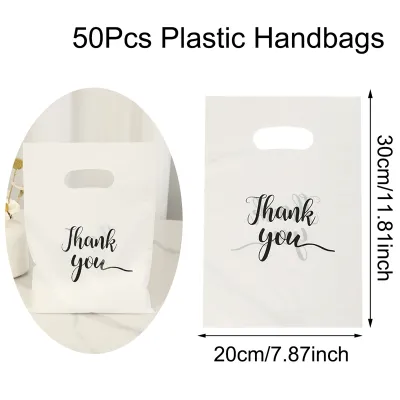
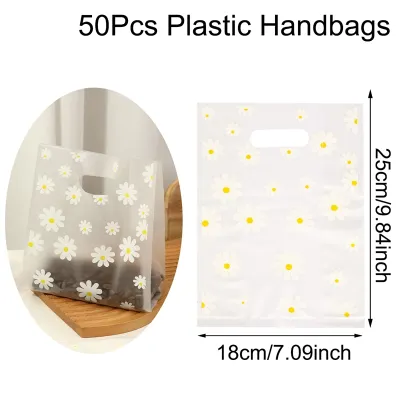
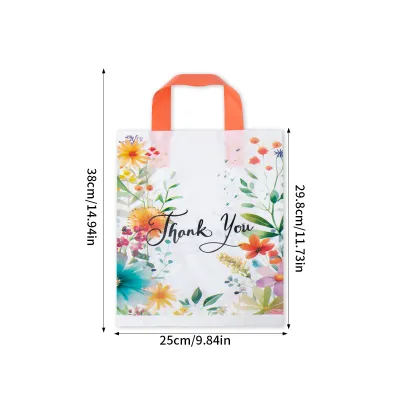
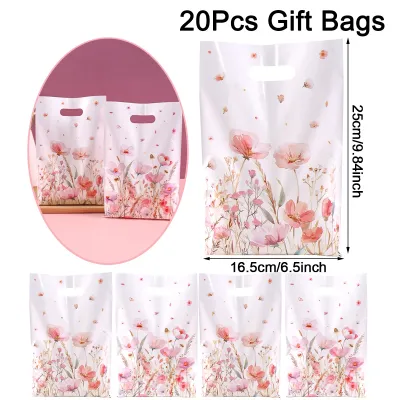
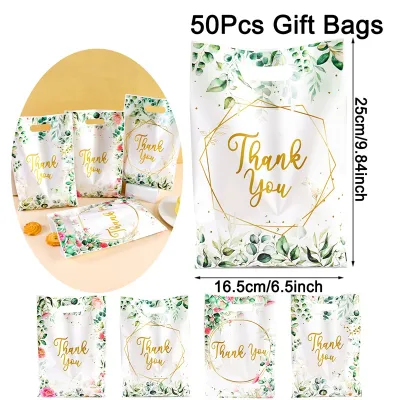
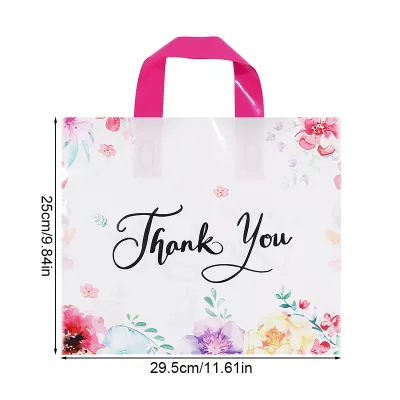

Prices are valid at publication and may change. Please refer to the product page for the latest price.
The overall shape of your gifts will determine whether you need a flat bag or a gusseted design. Flat bags, which feature simple side and bottom heat seals without extra folds, are highly efficient for flat or flexible items such as notebooks, sticker sheets, vouchers, or single-packaged cookies. However, if you attempt to force a bulky, three-dimensional object like a ceramic mug, a water bottle, or a boxed gift set into a flat bag, the plastic will stretch tightly across the corners, reducing the usable height and potentially splitting the side seams.
For three-dimensional or bulky items, gusseted bags are the superior choice. Gussets are extra folds of material built into the sides or the bottom of the bag that expand when filled, creating a structured, flat-bottomed shape. A bottom gusset allows the bag to stand upright on tables, which is highly beneficial for display purposes at registration booths or banquet tables. Side gussets expand outward to accommodate wide boxes or books without distorting the overall shape of the bag or putting excessive tension on the plastic seams.
In addition to matching the width and depth, you must calculate adequate headspace at the top of the bag. Headspace is the empty area above your gift items that allows the bag to be closed, folded, or carried comfortably. If you plan to fold the top over and seal it with an adhesive strip or a custom sticker, you generally need at least 5 to 8 centimeters of clearance above the tallest item. For bags with die-cut handles, ensure the items sit well below the handle opening so that your guests’ fingers do not press against the gifts, which can cause discomfort or tear the handle area.
Evaluate Plastic Thickness and Visual Finish
The durability and tactile feel of a plastic goodie bag depend heavily on its thickness, which is typically measured in mils (thousandths of an inch) or microns (micrometers). Understanding these measurements is essential for matching the bag’s weight capacity to your gifts. Lightweight bags, often ranging from 15 to 30 microns, are highly flexible and cost-effective, making them ideal for light party favors, candies, or single promotional pens. However, they offer minimal tear resistance and can stretch or puncture easily if loaded with sharp-edged items.

For heavier or premium gifts, such as hardcover books, glass jars, or metal tech gadgets, look for medium-to-heavyweight plastic options ranging from 50 to 100 microns. Thicker plastic provides structural rigidity, allowing the bag to retain its shape even when filled to capacity. It also offers superior puncture resistance, ensuring that sharp corners on packaging boxes do not pierce the sides of the bag during transit. When sourcing bags, always verify the manufacturer’s specified thickness rather than relying on generic descriptions like “heavy-duty.”
The visual finish of the plastic plays a significant role in the overall presentation and perceived value of your gifts. Glossy finishes are highly transparent, vibrant, and reflective, making them excellent for showcasing colorful items inside, though they are prone to showing fingerprints and smudges. Matte finishes offer a non-reflective, modern look that diffuses light, providing a sophisticated appearance that works well with minimalist branding. Frosted finishes are semi-translucent, offering a high-end, luxurious feel that partially obscures the contents while resisting fingerprints and scratches during handling.
If sustainability is a priority for your organization or event, look for eco-friendly plastic alternatives in the product specifications. Many modern manufacturers offer bags made from post-consumer recycled (PCR) plastics, which reduce the demand for virgin materials. Alternatively, look for biodegradable or compostable plastic options, such as those derived from polylactic acid (PLA) or containing specific biodegradable additives. When selecting these options, verify that they carry recognized environmental certifications and provide clear disposal instructions for your guests.
Choose the Right Handle and Closure Type
The way your guests carry and secure their goodie bags directly impacts their convenience and the safety of the contents. Die-cut handles, which are oval openings punched directly into the upper portion of the bag, are incredibly popular for their clean look and cost-efficiency. They are highly suitable for lightweight to medium-weight items, but they can pinch the fingers if the bag is overloaded. To prevent this, look for die-cut bags that feature a reinforced patch—an extra layer of plastic bonded around the inside of the handle opening—to distribute weight more evenly and prevent stretching.
For heavier loads or longer carrying distances, soft loop handles are a more comfortable alternative. These handles consist of separate plastic strips welded to the top rim of the bag, allowing guests to carry the bag at their side or slip it over their wrists. Rigid snap handles, which feature stiff plastic bars that snap together at the top, offer maximum structural support and keep the bag’s opening securely closed, making them ideal for premium retail-style presentations.
The closure mechanism you select should match the level of security your gifts require. Peel-and-seal adhesive strips are excellent for flat mailer-style goodie bags, providing a permanent or resealable closure that keeps items completely dust-free and secure. Ziplock closures offer a reliable, moisture-resistant seal that is highly reusable, making them perfect for food items, baked goods, or small stationery sets. Drawstring closures, often made of cotton or synthetic cords threaded through the top of the plastic bag, provide a classic, cinched look that is easy to open and close repeatedly.
Before committing to a bulk purchase, inspect product images or sample bags closely to evaluate the quality of the seams and handle attachments. Look for wide, uniform heat seals along the edges, as thin or uneven seals are common failure points under load. If the bag features welded handles, ensure the weld points are clean, centered, and free from bubbles or gaps, which indicate a weak bond that could fail when carrying heavier items.
Tailor Your Selection to Specific Event Types
Different events demand different functional and aesthetic characteristics from your packaging. For children’s birthday parties or community carnivals, prioritize vibrant colors, playful prints, and highly durable, easy-to-carry designs. Kids tend to handle bags roughly, so opting for a flexible, medium-thickness plastic with a comfortable die-cut handle ensures the bag survives the journey home. Bright, opaque plastics or fun patterned prints add to the excitement and keep the contents a surprise until they are opened.
For corporate events, seminars, and professional conferences, the packaging should reflect a polished, organized image. Opt for minimalist designs, neutral colors, or frosted finishes that exude professionalism. The bag dimensions should comfortably accommodate standard promotional merchandise, such as A4 or A5 notebooks, pens, brochures, and tech accessories like power banks. A frosted, gusseted bag with a soft loop handle provides a sophisticated look that fits seamlessly into a corporate environment while keeping the contents neatly organized.
Weddings, bridal showers, and formal banquets require an elegant, refined touch that complements the event’s decor. For these occasions, select premium, thick frosted or clear plastic bags that showcase the curated gifts inside. Pair these bags with delicate drawstring closures or secure them with custom-printed stickers or satin ribbons. Choosing a high-thickness plastic (75 microns or more) gives the bag a luxurious weight and structure, signaling to your guests that the contents are highly valued and carefully curated.
Sourcing and Pre-Purchase Quality Checks
When purchasing plastic goodie bags in bulk, taking the time to perform quality checks can prevent costly mistakes and shipping delays. Always request a physical sample pack from the supplier before placing a large order. This allows you to feel the actual thickness of the plastic, test the strength of the handles, and verify that the seams do not split when loaded with your heaviest gift items. If you are ordering custom printing, a physical sample is also vital for checking color accuracy, print alignment, and ink adhesion.
To test ink adhesion and surface quality on custom-printed bags, perform a simple scratch test. Rub a coin or your fingernail firmly across the printed area to ensure the ink does not flake, peel, or smudge easily. For bags intended for writing, such as those where you plan to write guest names directly on the plastic, test different writing instruments like permanent markers or ballpoint pens to check for drying speed and smudge resistance on the specific plastic finish.
Additionally, verify the supplier’s production specifications, including minimum order quantities (MOQ), manufacturing lead times, and shipping schedules. Ensure that the supplier can deliver the completed order well in advance of your event date to allow for packing and preparation. Inspect the sample bags for any manufacturing defects, such as uneven heat seals, misaligned handles, or chemical odors, which could negatively impact your guests’ experience.
Frequently Asked Questions (FAQ)
Can plastic goodie bags be reused or recycled?
Yes, many plastic goodie bags can be reused or recycled, depending on the material and thickness. Look for the resin identification code printed on the bottom or back of the bag; high-density polyethylene (HDPE, Code 2) and low-density polyethylene (LDPE, Code 4) are widely recyclable at local collection points or specialized recycling bins. Thicker bags (50 microns and above) with durable handles or resealable closures are highly reusable for organizing stationery, storing travel items, or carrying small personal belongings, extending their lifespan and reducing waste.
How do I prevent items from sliding around in a large goodie bag?
To stabilize items in an oversized goodie bag and maintain a neat presentation, use decorative fillers such as tissue paper or crinkle-cut paper shred at the base of the bag. This creates a supportive cushion that holds items upright and fills empty space. For heavier or fragile items, place a custom-cut piece of lightweight cardboard at the bottom of a gusseted bag to create a rigid base. Grouping smaller, loose items into tiny organza pouches or small paper boxes before placing them in the main bag also prevents shifting and enhances the unboxing experience.

Community discussion
Share your experience or ask a question. Comments are reviewed before publication.