
Embarking on a sewing journey is an exciting step that opens up endless creative possibilities, from tailoring your own garments to crafting custom home decor. For beginners in Singapore, choosing an all-in-one sewing machine kit is often the most practical way to start. These comprehensive bundles combine a beginner-friendly sewing machine with a curated selection of essential tools, saving you the time and confusion of purchasing accessories separately. Given the compact nature of modern Singaporean living spaces, such as HDB flats, finding a kit that is both highly functional and easy to store is key to maintaining an organized home.
A well-designed starter kit provides a seamless transition into the craft, ensuring you do not have to halt your first project midway to run to a local haberdashery for a missing tool. However, not all kits are created equal. Some prioritize a high quantity of low-quality accessories over the reliability of the machine itself, while others offer excellent machines but lack the basic notions required to get started. To make an informed decision, you must evaluate the bundle as a cohesive unit, analyzing both the machine’s technical specifications and the utility of the included accessories.
How to Evaluate a Beginner Sewing Machine Kit
When assessing an all-in-one sewing machine kit, the primary goal is to find a balance between the machine’s core capabilities and the quality of the bundled accessories. A common mistake is falling for kits that advertise hundreds of pieces, only to find that the thread breaks constantly, the scissors cannot cut fabric cleanly, and the machine itself lacks the power to sew through basic cotton. Prioritize bundles where the manufacturer has invested in a reliable, entry-level machine and paired it with a modest but high-quality selection of essential tools.
Products mentioned in this guide
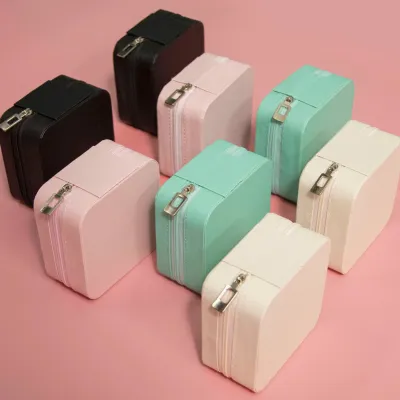
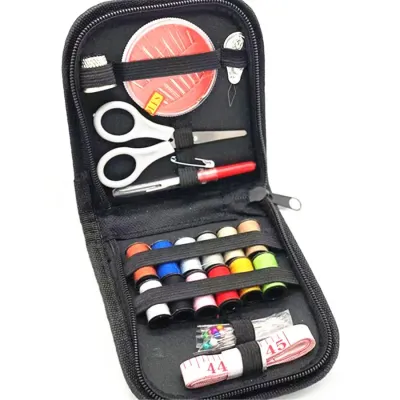
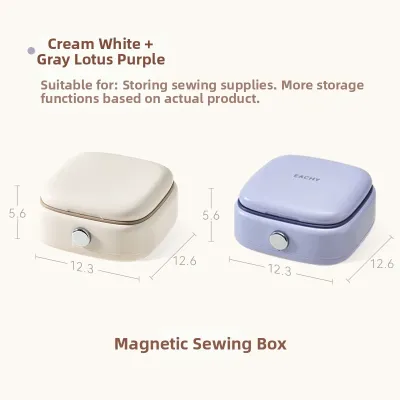
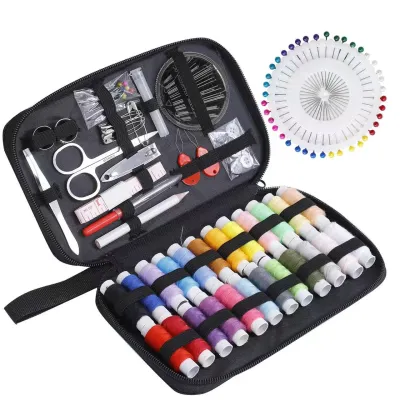
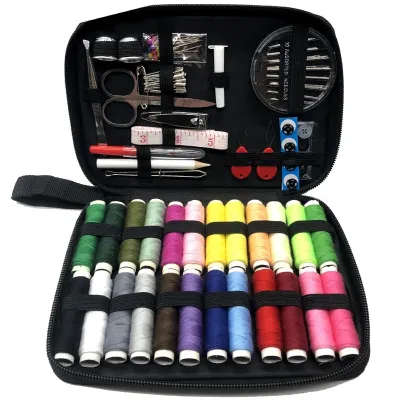
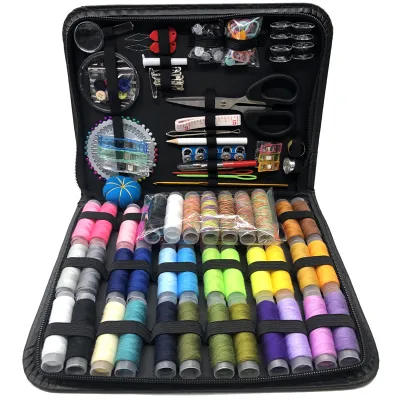
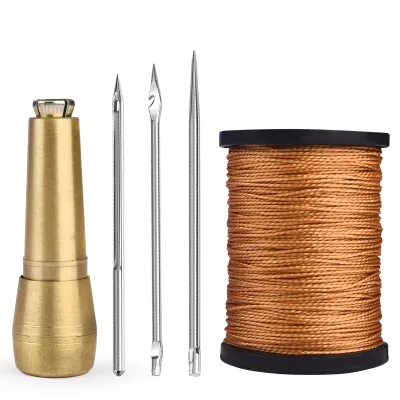
Prices are valid at publication and may change. Please refer to the product page for the latest price.
The learning curve of the machine is a critical factor for any novice. Look for features that simplify the setup process, which is often the most intimidating stage for beginners. An automatic needle threader is an invaluable feature that saves time and prevents eye strain, allowing you to thread the needle eye with a simple lever mechanism. Additionally, look for a top drop-in bobbin system with a clear plastic cover. This design allows you to easily monitor how much thread is left on the bobbin, preventing the frustration of running out of bobbin thread mid-seam. Simple, clearly labeled stitch selection dials are also preferable over complex digital menus, as they allow you to switch between basic stitches with a quick turn of a wrist.
Another essential aspect of a beginner kit is the quality of the instructional support provided. A comprehensive, easy-to-follow manual written in clear English is indispensable when you are learning how to wind a bobbin, adjust tension, or troubleshoot minor issues. Many reputable brands now offer localized digital tutorials, video guides, or mobile applications that walk you through the first setup steps. In Singapore, having access to local customer support or authorized service centers is a major advantage, ensuring that if you encounter any mechanical difficulties, you can easily seek professional assistance or find compatible replacement parts nearby.
Must-Have Accessories in a Comprehensive Sewing Kit
A truly comprehensive sewing kit should equip you with all the necessary tools to complete basic projects without requiring immediate additional purchases. When reviewing the contents of a starter bundle, divide the accessories into three main categories: basic notions, measuring and cutting tools, and machine-specific extras. This systematic approach allows you to verify if the kit is genuinely complete or if it leaves out critical items.

Basic notions form the foundation of any sewing project. The kit must include high-quality polyester thread spools in neutral colors like black, white, and grey. Low-grade thread is often uneven, lint-heavy, and prone to snapping, which can jam your machine and ruin your tension settings. The bundle should also provide an assortment of hand sewing needles for quick basting or finishing touches, a wheel of glass-head sewing pins to secure fabric layers before stitching, and a sturdy seam ripper. The seam ripper is perhaps the most important tool for a beginner; mistakes are an inevitable part of the learning process, and a sharp seam ripper allows you to undo stitches quickly and cleanly without damaging the fabric fibers.
Accurate measuring and cutting are vital for successful sewing outcomes. Your kit should feature a pair of dedicated fabric shears. These scissors must be sharp and comfortable to hold, and they should never be used to cut paper, plastic, or cardboard, as this dulls the blades rapidly. A flexible, double-sided measuring tape is essential for taking body measurements or measuring curved fabric edges. Additionally, look for fabric marking tools, such as tailor’s chalk or water-soluble marking pens. These allow you to transfer pattern lines and notches onto your fabric, ensuring precise alignment during assembly, and can be easily washed or brushed away once the project is complete.
Finally, check for machine-specific extras that enhance the machine’s versatility. The kit should include several empty bobbins that are compatible with the machine’s specific bobbin case style. It should also come with a variety of presser feet, which are specialized attachments that guide the fabric for different tasks. At a minimum, a beginner kit should include a standard zig-zag foot, a zipper foot for installing zippers neatly, and a buttonhole foot for creating consistent buttonholes. A protective dust cover, whether a soft fabric slip or a hard plastic case, is also a crucial inclusion. In Singapore’s humid tropical climate, keeping your machine covered when not in use protects the internal mechanical parts and delicate electronics from dust accumulation and moisture.
Machine Specifications to Check Before You Buy
While the accessories are important, the sewing machine itself is the heart of the kit. Before committing to a purchase, you must carefully review the machine’s technical specifications to ensure it aligns with your sewing goals and fits comfortably within your home environment.
First, examine the stitch options. Beginners do not need hundreds of decorative stitches; instead, focus on the presence of essential utility stitches. The machine should offer a reliable straight stitch with adjustable length, a zig-zag stitch with adjustable width (crucial for finishing raw edges to prevent fraying), and a stretch stitch for working with knit fabrics like jersey. A dedicated buttonhole stitch is also essential. A machine with a 1-step automatic buttonhole function is highly recommended for beginners, as it measures the button and sews the entire buttonhole in one continuous operation, whereas a 4-step buttonhole requires you to manually change settings for each side of the buttonhole.
Second, consider the machine’s power and speed capabilities. The motor’s capacity determines how smoothly the machine can pierce through multiple layers of fabric or heavier materials. Look for the maximum sewing speed, which is typically measured in stitches per minute (SPM). For a beginner, a machine with a maximum speed of 650 to 800 SPM offers a manageable pace that allows you to maintain control over your fabric. Some machines also feature a speed control slider, which lets you limit the maximum speed regardless of how hard you press the foot pedal—an excellent safety feature for those just starting out.
Third, evaluate the physical dimensions and weight of the machine. In Singapore, where space optimization is a priority, a compact machine that can be easily set up on a dining table or study desk is highly desirable. Look for a machine that weighs between 5 and 7 kilograms. A machine that is too light (under 4 kg) may vibrate excessively or slide across the table when sewing at higher speeds or handling heavier fabrics. Conversely, a machine that is too heavy can be difficult to lift out of storage. A built-in carrying handle is a simple but highly practical feature that makes transporting and storing the machine much safer and more convenient.
Where to Buy and How to Inspect Your Kit Upon Delivery
Securing your sewing machine kit from a reliable source is essential for ensuring product authenticity, receiving proper customer support, and securing a valid warranty. In Singapore, it is highly recommended to purchase your kit from official brand stores, authorized local distributors, or established e-commerce platforms that offer local warranty coverage.
While purchasing from overseas sellers on international online marketplaces might offer a lower upfront price, it often comes with significant risks. These machines may not be configured for Singapore’s voltage standards (230V, 50Hz), requiring bulky and potentially unsafe voltage converters. Furthermore, overseas purchases rarely include a local warranty, meaning you would have to pay out-of-pocket for repairs or ship the machine back to the country of origin at your own expense. A local warranty, typically spanning 1 to 2 years, provides peace of mind and access to professional technicians who can service your machine using genuine parts.
Once your kit is delivered, perform a thorough inspection before discarding any packaging. Start by checking the outer box for any signs of rough handling during transit. Open the box and verify that the machine’s plastic housing is free from cracks, scratches, or misaligned panels. Carefully inventory all the accessories against the list provided in the instruction manual to ensure no parts, presser feet, or power cords are missing.
After the physical inspection, set up the machine on a flat, stable surface and perform a functional test. Plug in the machine, turn on the power switch, and verify that the built-in LED sewing light illuminates the work area. Thread the machine and the bobbin according to the manual’s instructions. Use a scrap piece of medium-weight woven cotton fabric to test the stitches. Run a few rows of straight stitches and zig-zag stitches, observing the stitch quality. The stitches should be uniform, and the thread tension should be balanced, meaning the top and bottom threads lock together in the middle of the fabric layers without looping on either side. Listen to the motor; it should run smoothly without any grinding or excessive clanking noises. Ensure the feed dogs grip and move the fabric backward evenly without requiring you to pull or push the material manually.
Frequently Asked Questions (FAQ)
Do I need to buy extra bobbins and needles immediately?
Most all-in-one sewing machine kits include a small starter pack of universal needles and three to four empty bobbins. While this is sufficient for your very first practice runs, you will need to purchase additional supplies relatively quickly. Sewing machine needles are consumables; they become dull or slightly bent after approximately 6 to 8 hours of active sewing. Using a dull needle can lead to skipped stitches, puckered seams, or even damage to your fabric and machine. When buying extra needles, ensure you select the correct type and size for your project, such as ballpoint needles for knits or sharp jeans needles for denim. Additionally, having extra bobbobs allows you to keep different thread colors wound and ready to use, saving you from having to unspool an existing color to wind a new one. Always ensure any extra bobbins you buy match the exact class and dimensions specified by your machine’s manufacturer, as using the wrong bobbin size can cause severe tension issues and jams.
Can a beginner kit handle heavy fabrics like denim or canvas?
Entry-level sewing machines included in beginner kits are generally designed for light to medium-weight fabrics, such as cotton, linen, and light wool blends. While they can handle occasional projects involving heavier fabrics like denim or canvas—such as hemming a pair of jeans or sewing a simple canvas tote bag—they are not built for continuous heavy-duty use. Forcing a lightweight machine to sew through multiple thick layers of heavy fabric can strain the motor, bend the needle bar, or damage the internal gears. To sew heavy fabrics successfully on a beginner machine, you must take specific precautions. Always swap out the universal needle for a dedicated heavy-duty needle (such as a size 90/14 or 100/16 jeans needle), which is designed to pierce dense fabrics without bending. Adjust the stitch length to a slightly longer setting, and sew at a slow, controlled speed. When navigating thick seams or intersecting layers, turn the handwheel manually to guide the needle safely through the bulk, preventing sudden impacts that could break the needle or stall the motor.
Community discussion
Share your experience or ask a question. Comments are reviewed before publication.