
Selecting an acrylic paint starter set for your child is an exciting step into the world of creative expression, but it requires careful consideration of safety, usability, and cleanup. Acrylic paint is a highly versatile medium favored by artists for its rich pigments and durable, water-resistant finish once dry. However, these same qualities mean that standard adult acrylics can easily ruin clothing, carpets, and furniture if left unattended. Finding the right balance between a paint that behaves like true acrylic and one that is safe and manageable for a young artist is key to a successful experience.
To make an informed choice, parents must look beyond vibrant packaging and focus on the technical specifications of the paint, the design of the containers, and the quality of the accompanying tools. A well-designed starter set not only fosters a child’s artistic development but also minimizes the stress of post-painting cleanup. By evaluating safety certifications, washability, color selection, and accessory quality, you can select a kit that matches your child’s developmental stage and keeps your home workspace clean.
Prioritizing Safety and Non-Toxic Labels
When shopping for children’s art supplies, safety is the absolute priority. Paint often comes into direct contact with a child’s skin, and younger children may inadvertently put paint-covered fingers or brush handles near their mouths. Therefore, you should never rely on generic marketing terms like “natural,” “organic,” or “safe for kids” without verifying official regulatory certifications on the packaging.
Products mentioned in this guide
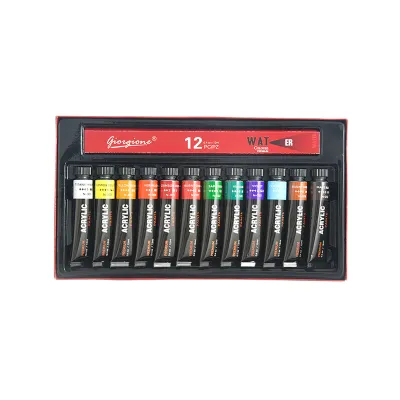
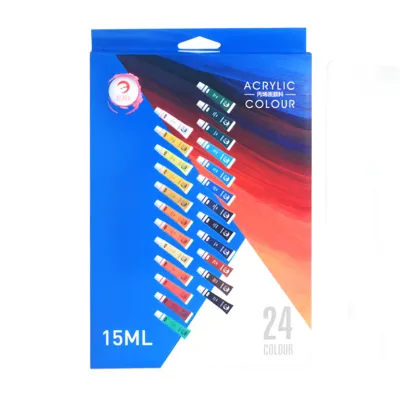


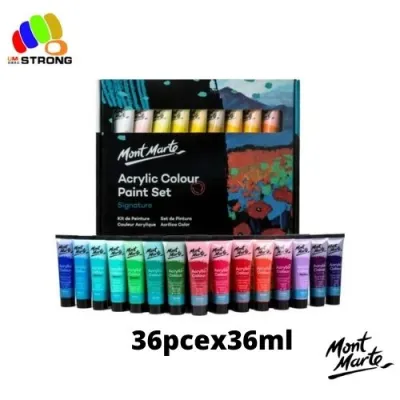
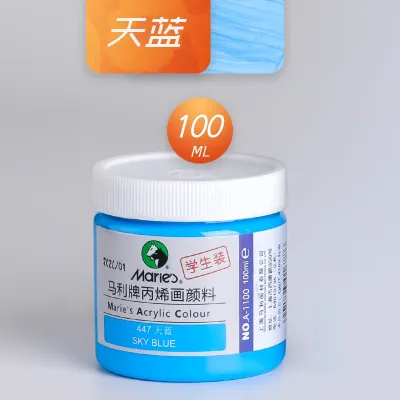
Prices are valid at publication and may change. Please refer to the product page for the latest price.
The most reliable indicator of safety for art materials is the Approved Product (AP) non-toxic seal issued by the Art and Creative Materials Institute (ACMI). This seal certifies that the product has been toxicologically evaluated and contains no materials in sufficient quantities to be toxic or injurious to humans. For products sold or imported into Singapore, you should also look for the European CE mark and compliance with EN71 standards, specifically EN71-3, which restricts the migration of certain heavy metals and toxic elements in toys and children’s products.
Reviewing the packaging for age recommendations is equally critical. Artist-grade or student-grade acrylic paints often contain heavy metal pigments—such as cadmium, cobalt, or chromium—to achieve intense, lightfast colors. They may also contain stronger biocides and preservatives to prevent bacterial growth in the tubes over long periods. These formulations are not intended for young children. Always choose sets explicitly labeled for children, which substitute these heavy metals with safe, synthetic organic pigments.
Even when using certified non-toxic paints, establishing a safe painting environment is essential. Ensure the room has adequate ventilation, especially in enclosed spaces or air-conditioned rooms typical of Singapore apartments, to allow any mild acrylic odors to disperse. Adult supervision is always recommended to prevent accidental ingestion of paint or small parts, such as bottle caps, which can present choking hazards for younger children.
Managing Washability and Drying Time
The defining characteristic of standard acrylic paint is its binder, which is typically an acrylic polymer emulsion. As the water evaporates from the paint, the polymer particles fuse together to form a flexible, water-resistant plastic film. While this makes the finished artwork durable, it also means that once standard acrylic paint dries on clothing, upholstery, or wooden tables, it becomes incredibly difficult—and often impossible—to remove without harsh solvents.

To avoid permanent stains, look for starter sets specifically labeled as “washable acrylic” or “kids’ acrylic.” These formulations are engineered with modified binders or water-soluble additives that delay the curing process or allow the paint film to be broken down with warm water and soap, even after it has dried on the skin. However, it is important to understand that “washable” is a relative term. These paints are designed to wash out of most machine-washable fabrics, but they can still leave permanent stains on highly porous surfaces like unsealed wood, plaster, or delicate fabrics like silk and wool.
To manage cleanup effectively, you should always set up a protective workspace before the painting session begins. Lay down a washable plastic tablecloth, a silicone craft mat, or several layers of old newspaper to protect your furniture. Equip your child with a waterproof art apron or sleeve protectors to shield their clothing. If paint does spill onto clothing or furniture, act immediately: keep the spot wet and wash it with warm, soapy water before the paint has a chance to dry and cure.
Evaluating Color Range and Packaging Formats
It is tempting to buy the largest paint set available, featuring dozens of pre-mixed pastel and neon shades. However, an overly broad color palette can actually hinder a child’s artistic growth and lead to frustration. When presented with too many options, children often mix multiple colors together indiscriminately, resulting in a muddy, grey-brown sludge.
A more educational and practical approach is to select a starter set with a limited, high-quality color range. A set featuring the three primary colors (red, yellow, and blue), along with black and white, is ideal. This limited palette encourages children to experiment with color theory, teaching them how to mix secondary colors like green, orange, and purple. A 10-to-12 color set that includes warm and cool variations of the primaries, plus a few earth tones like brown, offers plenty of variety without overwhelming their decision-making process.
The physical packaging of the paint is another crucial factor that affects usability. Squeeze bottles made of soft, flexible plastic are generally the best choice for younger children (ages 3 to 7). They allow small hands to easily dispense paint onto a palette without requiring precise finger strength, and they are less likely to split or leak if dropped. Traditional metal or laminate tubes are better suited for older children (ages 8 and up) who have developed the fine motor skills necessary to squeeze out precise, small amounts of paint without wasting it.
Additionally, pay attention to the volume of paint provided in the set. Many budget kits include tiny paint pots containing only 3ml to 5ml of paint per color. These small pots dry out incredibly fast once the seal is broken and rarely contain enough paint for more than one or two small projects. Look for starter sets that offer at least 20ml to 60ml per color, ensuring your child has enough material to practice, experiment, and complete multiple paintings.
Assessing Included Brushes and Accessories
A great paint set can be ruined by poor-quality accessories. Many cheap starter kits include low-grade brushes with natural bristles that shed hairs into the wet paint, leaving unsightly fibers on the canvas. For acrylic painting, synthetic brushes made of nylon or polyester (often referred to as taklon) are highly recommended. Synthetic fibers are resilient, maintain their shape when wet, and can withstand the heavy, viscous texture of acrylic paint far better than soft natural hair.
The ergonomics of the brush handles must match your child’s physical development. Toddlers and young children benefit from short, thick, or bulbous handles that accommodate a palmar grasp. As children develop their tripod grip (similar to holding a pencil), they can transition to standard short-handle brushes. Ensure the kit includes a variety of brush shapes, such as a wide flat brush for covering large background areas and a medium round brush for details.
Beyond brushes, a functional starter set should include a sturdy, easy-to-clean palette. Plastic palettes with deep, separated wells are excellent because they prevent different paint colors from running into one another before the child is ready to mix them. A dedicated water cup with a wide, stable base is also essential to prevent accidental spills on the workspace. Some advanced starter kits even feature spill-proof paint cups with specialized lids that prevent water from escaping if the cup is knocked over.
Finally, consider the painting surface. Standard printer paper (usually around 80gsm) is entirely unsuitable for acrylic paint; the water content in the paint will cause the thin paper to warp, buckle, and tear almost immediately. To prevent frustration, ensure you have appropriate surfaces ready. Look for kits that include, or can be paired with, heavy-weight mixed-media paper (at least 200gsm to 300gsm), thick cardboard, or small primed canvas boards. These sturdy surfaces can handle the weight and moisture of acrylic paint, allowing the artwork to dry flat and beautiful.
Building Your Shortlist: A Pre-Purchase Checklist
To help you evaluate the wide variety of acrylic paint starter sets available on the market, use this structured pre-purchase checklist to compare your options:
- Verify Safety Standards: Confirm the packaging displays the AP non-toxic seal or EN71-3 certification. Avoid any set that lacks clear safety labeling.
- Check the Washability Claim: Determine if the paint is standard acrylic (permanent when dry) or a washable formulation. Choose washable variants for younger children and standard acrylics for older, more careful artists.
- Assess Container Ergonomics: Match the packaging to your child's age. Opt for soft squeeze bottles for younger kids and traditional tubes for older children.
- Inspect Brush Quality: Look for synthetic (nylon or taklon) bristles with sturdy ferrules that won't shed. Ensure the handle size is appropriate for your child's grip.
- Confirm Paint Volume: Ensure the set provides at least 20ml to 60ml of paint per color to allow for multiple creative sessions.
- Evaluate Surface Compatibility: Check if the kit includes heavy-weight paper or canvas boards, or plan to purchase these separately.
When comparing costs, a comprehensive starter kit in Singapore typically ranges from S$15 to S$40. While an all-in-one kit offers convenience, it is sometimes more cost-effective to purchase individual high-quality components separately. For instance, buying a set of five basic squeeze bottles of washable paint, a pack of durable synthetic brushes, and a pad of 300gsm mixed-media paper separately may cost slightly more upfront but will provide a far superior painting experience and last much longer than a cheap, low-quality pre-packaged kit.
Frequently Asked Questions (FAQ)
Can regular adult acrylic paint be used for kids?
While some adult acrylic paints carry non-toxic seals, they are generally not recommended for young children. Adult formulations are designed for permanence, meaning they will permanently stain clothing, furniture, and carpets once dry. Furthermore, artist-grade paints may contain heavy metal pigments (such as cadmium or cobalt) or stronger preservatives that are unsafe if accidentally ingested or placed near the mouth. Always choose paints specifically formulated and labeled for children’s use.
What is the best surface for a child's first acrylic painting?
The best surface for a child’s first acrylic painting is heavy-weight mixed-media paper (at least 200gsm to 300gsm), thick cardboard, or a primed canvas board. Standard printer paper or thin drawing paper will warp, wrinkle, and tear under the moisture of acrylic paint, leading to frustration. Sturdier surfaces support the weight of the paint, allow for layering, and dry flat, preserving the child’s artwork for display.

Community discussion
Share your experience or ask a question. Comments are reviewed before publication.