
Choosing the right sewing kit set with a storage box comes down to balancing container durability, internal organization, and the quality of the tools inside. A great kit does not just pack dozens of items into a flimsy container; instead, it provides a secure, organized home for reliable tools that will not fail during a quick repair. Prioritizing a sturdy box with a reliable latching mechanism ensures your pins, needles, and threads remain exactly where you put them, even if the kit is moved or stored vertically.
When evaluating these sets, look closely at the quality of the core tools—specifically the scissors, needles, and thread—rather than the sheer number of pieces advertised on the packaging. Many budget kits inflate their piece counts with hundreds of low-quality pins or tiny thread spools that break easily. A well-chosen kit saves time and frustration by offering durable, usable tools housed in a layout that makes every item instantly visible and accessible.
Evaluating the Storage Box: Durability and Layout
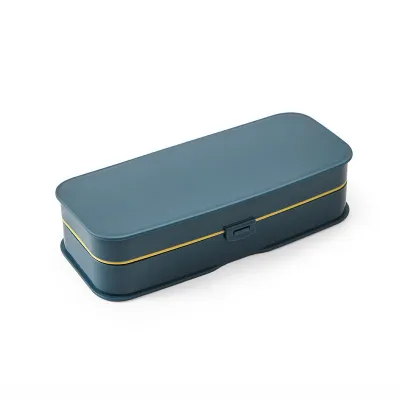
The storage box itself is the foundation of your sewing kit, acting as both a protective shell and an organizational system. Hard-shell plastics and metals offer the highest level of drop resistance and crush protection, making them ideal for busy households or travel. If a plastic box is dropped, a high-quality polymer will absorb the impact without cracking, whereas cheap, brittle plastics can shatter and scatter sharp needles across the floor. Fabric baskets and cardboard boxes offer a classic aesthetic but lack structural rigidity, making them prone to crushing if stored under heavier items in a closet.
Products mentioned in this guide
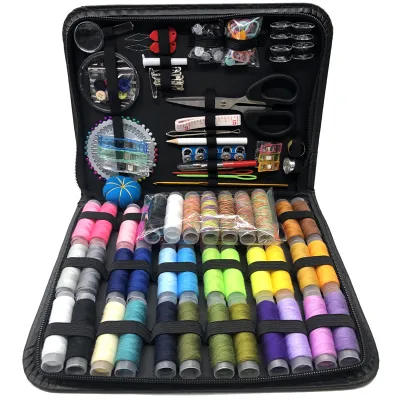
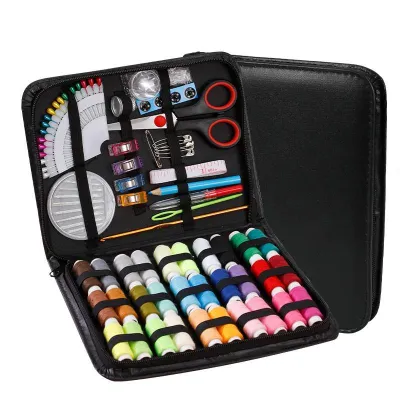
![[SG SELLER]226Pcs Sewing Kit Set With Zips Box 43 XL Thread Spools Premium Sewing Supplies Suitable for Traveller Household Adults Kids](https://img.lazcdn.com/g/p/ff9caae739026b5253091e64768bff19.jpg_400x400q80.jpg_.webp)
Prices are valid at publication and may change. Please refer to the product page for the latest price.
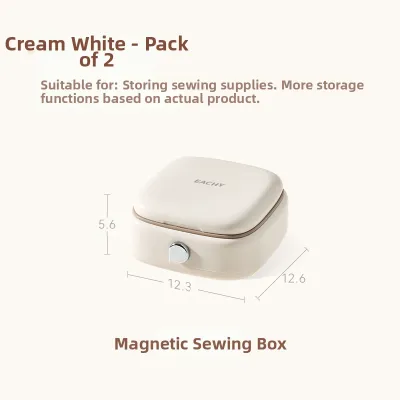
A sewing kit is only as reliable as its closure mechanism. Inspect the latches, hinges, and clasps carefully before making a purchase. Snap-lock latches and sliding clasps are generally more secure than simple friction-fit lids, which can easily pop open if the box is tipped over or jostled in a drawer. For metal tins, a tight-fitting lid with a distinct physical click or a latching clasp prevents accidental spills. If you plan to transport your kit frequently, look for a box with an integrated carrying handle that is molded directly into the lid or securely riveted to the frame.
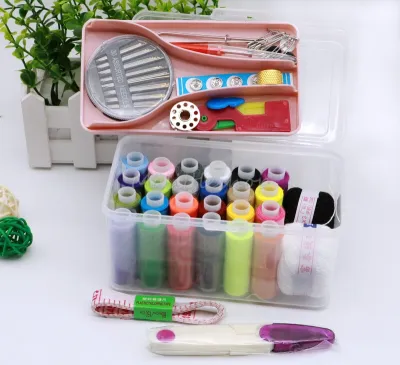
Internal organization is what prevents a sewing kit from turning into a chaotic jumble of tangled threads and loose pins. Look for boxes that feature dedicated internal dividers, elastic loops, or removable trays. Removable top trays are particularly useful for separating frequently used items like scissors, measuring tapes, and needle compacts from the bulkier thread spools stored underneath. Elastic loops keep individual thread spools anchored in place, preventing them from rolling around and unraveling. Transparent lids or clear plastic compartments are also highly beneficial, allowing you to locate specific tools without opening multiple sections.
Assessing the Core Sewing Tools and Consumables
While a sturdy box is essential, the tools inside determine the kit’s actual utility. Thread is the most frequently used consumable in any sewing kit, so its quality is paramount. Check the manufacturer’s labels for material composition, prioritizing polyester threads over low-grade cotton. Polyester offers superior tensile strength and elasticity, making it less likely to snap during hand-sewing or machine repairs. Examine the spools to ensure the thread is wound evenly and tightly; loose or uneven winding often leads to fraying, knotting, and frustration during threading.

The needle selection should offer a practical variety of sizes and eye shapes rather than a massive quantity of identical, fragile needles. A standard repair kit should include several sharp hand-sewing needles of varying lengths, along with a few embroidery needles with larger eyes for thicker threads. Look for needles made from nickel-plated steel, which resists bending and glides smoothly through woven fabrics. Avoid kits that only provide a single circular needle compact with no size markings, as these often contain brittle needles that bend or snap under minimal pressure.
Scissors are often the weakest link in pre-assembled sewing kits, yet they are crucial for clean cuts. Examine the scissor blades for proper alignment; when closed, the blades should meet precisely along their entire length without any visible gaps. The handles should feature ergonomic loops that allow for a comfortable grip without pinching your fingers. Keep in mind that standard kit scissors are typically designed for light thread snipping and basic fabric trimming. If the scissors feel lightweight or have loose plastic handles, they may struggle with thicker materials and should be reserved strictly for thread.
Matching the Kit to Your Specific Sewing Tasks
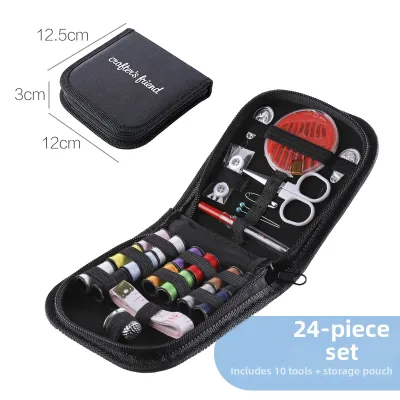
Selecting the right sewing kit requires matching its physical footprint and tool assortment to your actual lifestyle and sewing needs. If you only need to sew on an occasional button or mend a small seam tear while traveling, a compact, pocket-sized kit is highly efficient. These travel-friendly options prioritize portability, containing just a few pre-threaded needles, safety pins, and a tiny pair of snips. For home maintenance, however, a larger storage box with a wider variety of thread colors and specialized tools is far more practical, as it eliminates the need to buy extra supplies for every minor repair.
Basic kits often omit several supplementary tools that can make sewing tasks significantly easier. When comparing sets, look for those that include a seam ripper, a metal or durable plastic thimble, and a flexible measuring tape. A seam ripper is indispensable for undoing mistakes or removing old stitches without damaging the surrounding fabric. A thimble protects your fingertips when pushing needles through dense materials like denim or canvas. If these items are missing from a kit you otherwise like, ensure the storage box has enough empty space or a flexible compartment where you can add them later.
Your current skill level and future sewing goals should also guide your choice. Beginners benefit from highly structured kits where every tool has a clearly labeled or molded spot, which helps teach organization and tool identification. Advanced users, on the other hand, often prefer a box with customizable dividers or open compartments. This flexibility allows them to swap out standard kit components for their preferred brands of needles, specialized fabric shears, or custom thread types, turning the kit into a personalized sewing workstation.
Frequently Asked Questions (FAQ)
How do I prevent threads from tangling inside the box?
To keep your threads neat and tangle-free, always secure the loose end of the thread before putting a spool away. Most modern plastic and wooden spools feature a small built-in slit or notch on the rim where you can wedge the thread end to lock it in place. If your spools do not have this feature, a tiny piece of low-tack masking tape or a reusable silicone spool hugger can keep the thread secure. Additionally, store your spools in the box’s designated elastic loops or partitioned slots rather than letting them roll freely in a main compartment, which causes friction and tangling.
Are the scissors in standard sewing kits suitable for cutting heavy fabrics?
Standard scissors included in pre-assembled sewing kits are generally designed for snipping threads, cutting lightweight woven cottons, and trimming thin ribbons. They typically lack the blade thickness, leverage, and steel hardness required to cut through heavy fabrics like denim, canvas, leather, or multiple layers of fleece. Attempting to force kit scissors through these materials can misalign the blades, dull the cutting edge permanently, or break the plastic handles. For heavy-duty fabrics, check the manufacturer’s specifications for blade material and consider purchasing a dedicated pair of heavy fabric shears to store alongside your kit.
Community discussion
Share your experience or ask a question. Comments are reviewed before publication.