
Selecting your first watercolor pen set can feel overwhelming given the sheer variety of options available on stationery shelves and online marketplaces. For a beginner, the ideal starter set should prioritize flexible nylon brush tips over stiff felt nibs, highly water-soluble dye-based inks that reactivate smoothly on paper, and a compact palette of 12 to 24 essential colors rather than a massive, redundant collection. By focusing on these core specifications, you can master basic blending techniques without the frustration of fraying tips or muddy color mixtures.
To make an informed purchase, you must understand how these pens behave on different paper types and how to verify their quality using observable criteria. A reliable starter set typically ranges from S$15 to S$50, offering an accessible entry point into watercolor painting without requiring the extensive setup of traditional pans and brushes.
Understanding Watercolor Pen Formats
Watercolor pens generally fall into two distinct structural categories, each catering to different workflows and artistic preferences. The most common format for beginners is the pre-filled, water-based ink pen. These pens house a liquid, water-soluble dye or pigment directly inside the barrel, delivering a continuous flow of vibrant color to the tip. They are highly portable, require zero preparation, and function much like standard markers until you introduce water to the page.
Products mentioned in this guide
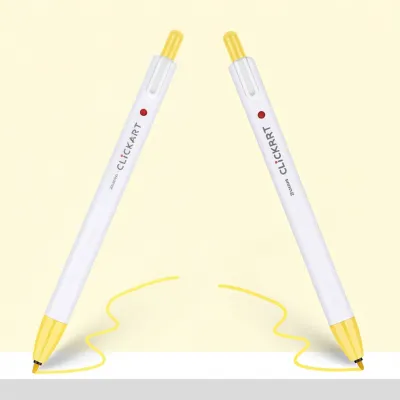
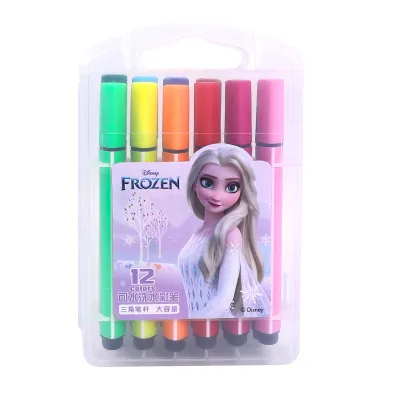
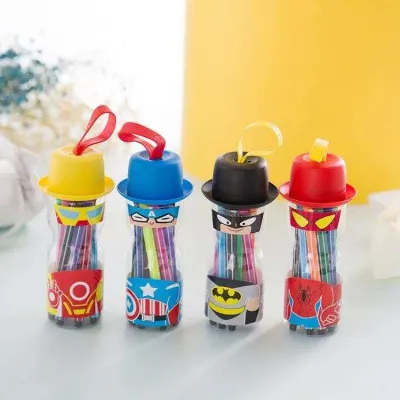
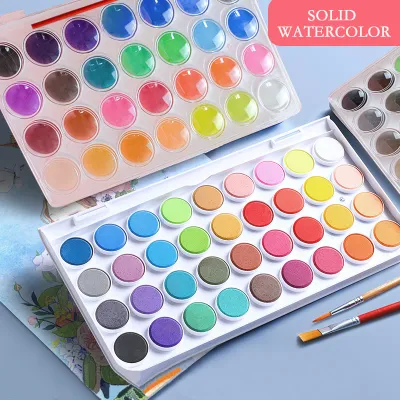
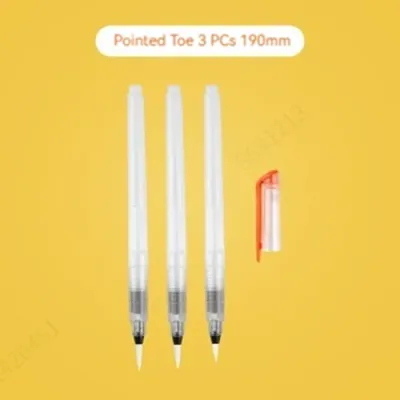
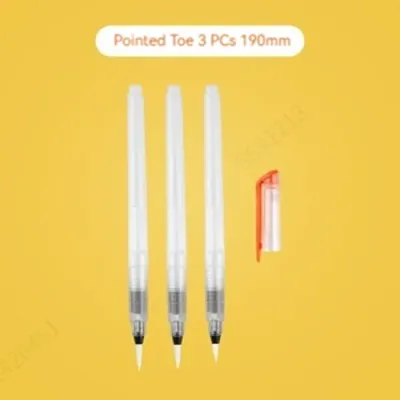
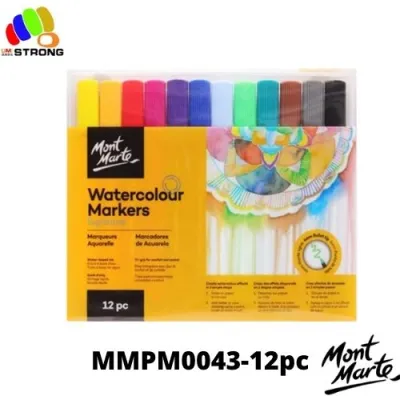
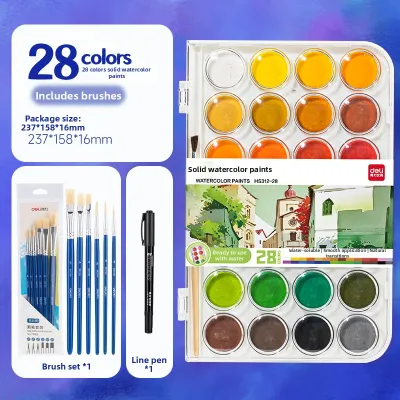
Prices are valid at publication and may change. Please refer to the product page for the latest price.
The second format is the empty water brush pen, which features a refillable plastic water reservoir in the handle and a synthetic brush tip. Instead of containing colored ink, these pens are filled with clean tap water. You use them by gently squeezing the barrel to control water flow while picking up pigment from dry watercolor pans, water-soluble crayons, or even the scribbled ink of a pre-filled pen. This format offers unparalleled control over pigment dilution and mimics the experience of traditional watercolor painting.
When evaluating pre-filled pens, the tip material plays a critical role in your drawing experience. Synthetic nylon brush tips consist of individual fibers bundled together to form a flexible, responsive point. These tips mimic the behavior of a traditional paintbrush, allowing you to transition from fine lines to broad washes simply by altering your hand pressure.
In contrast, felt or fiber nibs are molded from a single piece of porous material. While they offer excellent line consistency for lettering or outlining, they lack the flexibility needed for expressive watercolor strokes and are highly prone to fraying when used on rough paper. For those seeking maximum versatility, dual-tip pens featuring a flexible nylon brush on one end and a fine felt bullet tip on the other offer the best of both worlds.
Key Performance Features to Evaluate
To ensure your watercolor pens perform beautifully on paper, you must look beyond the packaging design and evaluate specific technical characteristics. The pigment load and transparency of the ink determine how vibrant your artwork will appear. High-quality water-based inks should dry to a clear, luminous finish that allows the texture of the paper to show through. If an ink contains low-grade binders or excessive fillers, it may appear chalky, opaque, or streaky once dry.

Ink reactivation is another critical performance metric. A high-quality watercolor ink should remain water-soluble even after it has dried completely on the page. This allows you to return to a dry stroke minutes or hours later, apply a wet brush, and smoothly soften the edges or blend it into an adjacent color. You can verify this capability by performing a simple trial: draw a solid line, let it dry for five minutes, and then attempt to dissolve the edges using a damp brush. If the line remains completely sharp and unaffected by the water, the ink is permanent and will not allow for traditional watercolor blending.
Tip durability and “snap-back” refer to a brush tip’s ability to return to its original, sharp point after being bent or pressed against the paper. High-grade nylon brushes maintain their shape over hundreds of uses, ensuring you can consistently paint fine details. Cheaper synthetic tips often lose their springiness quickly, remaining bent or splitting into multiple stray fibers that ruin clean lines.
Your choice of paper directly influences how these performance features manifest. Because watercolor pens introduce moisture to the page, standard printer paper or lightweight notebook pages (typically 80 gsm) will instantly warp, pill, and bleed through to the other side. To achieve smooth blends and prevent ink from soaking through, you must pair your pens with paper specifically designed to handle water. Look for mixed-media paper with a minimum weight of 200 gsm, or dedicated watercolor paper of 300 gsm. Cold-press watercolor paper offers a textured surface that holds water well, while hot-press paper provides a smooth finish ideal for detailed pen work and hand lettering.
Structuring Your First Color Palette
It is common for beginners to assume that a larger pen set is inherently better. However, massive sets containing 60, 80, or more colors can actually hinder your artistic growth. When you have access to every pre-mixed shade imaginable, you miss out on the essential practice of color mixing. Furthermore, budget-friendly giant sets often sacrifice ink and tip quality to keep the price low, resulting in pens that dry out quickly or fray after minimal use.
A focused set of 12 to 24 pens is highly recommended for beginners. This range provides enough variety to cover the entire spectrum while encouraging you to experiment with layering and blending to create custom shades. When selecting a set, ensure it contains a balanced selection of primary colors (warm and cool tones of red, blue, and yellow), essential secondary colors (green, orange, and purple), and a few neutral earth tones like brown or grey for shading.
Many starter sets include useful accessories that add significant value to your purchase. Look for packages that bundle at least one empty water brush pen, which is indispensable for blending dry ink strokes on the go. A plastic blending palette or a laminated swatch card is another excellent addition; you can scribble your pen ink directly onto the non-porous plastic surface, dilute it with water, and pick it up with a brush to paint delicate, transparent washes. Finally, a sturdy carrying case that allows you to store your pens horizontally is vital for maintaining consistent ink flow to both ends of dual-tip pens.
Evaluating Sets from Online Retailers
When purchasing a watercolor pen set from an online marketplace where physical testing is impossible, you must rely on smart evaluation strategies to avoid low-quality products. Start by ignoring the polished, digitally enhanced marketing graphics provided by the manufacturer. Instead, navigate directly to the customer review section and look for user-uploaded photos of color swatches.
These real-world photos provide invaluable clues about the ink’s true performance. Examine the swatches to see if the colors appear as vibrant on paper as they do on the pen caps. Look closely at any blending tests shared by users; if the transition from concentrated color to a diluted wash looks smooth and seamless, the ink has excellent solubility. If you notice harsh, dark lines where the initial pen stroke was made, or if the paper looks torn and pilled, the ink may be difficult to blend, or the user may have tested them on low-quality paper.
Next, carefully read the product specifications and labels for safety and archival quality standards. Look for terms like “acid-free,” which guarantees that the ink will not cause the paper to yellow or deteriorate over time. Certifications such as the AP (Approved Product) seal indicate that the formulation is non-toxic and safe for extended skin contact, which is particularly important if you paint in enclosed spaces or share your supplies with children.
Finally, scan the written reviews for recurring complaints regarding product longevity and packaging integrity. In tropical climates like Singapore, high relative humidity can sometimes affect stationery storage, but a poorly sealed pen cap is the primary culprit behind dried-out ink. If multiple reviewers note that several pens arrived dry, or that the caps do not snap tightly into place, it indicates a design flaw that will shorten the lifespan of your set. Look for feedback confirming that the caps click securely, ensuring an airtight seal that preserves the ink for months of creative use.
Frequently Asked Questions (FAQ)
Can I use regular paper with watercolor pens?
No, regular copy paper or standard notebook paper is not suitable for watercolor pens. Standard paper typically ranges from 70 to 90 gsm and lacks the specialized sizing treatments that prevent water absorption. When you apply water-based ink and attempt to blend it on regular paper, the fibers will quickly saturate, causing the paper to warp, buckle, and tear (a process known as pilling).
Additionally, the ink will bleed through to the back of the page, ruining subsequent sheets. To achieve successful blends and protect your work, always use paper with a minimum weight of 200 gsm. For the best results, opt for 300 gsm cold-press or hot-press watercolor paper, which is specifically engineered to hold moisture and allow pigments to float smoothly across the surface.
How do I prevent watercolor pen tips from fraying?
To extend the lifespan of your watercolor pen tips, you must practice proper writing angles and pressure control. Avoid holding the pen perpendicular (at a 90-degree angle) to the paper, as this forces the delicate tip to bear the brunt of your hand pressure, leading to splitting and flattening. Instead, hold the pen at a 45-degree angle, using the side of the brush for broad strokes and reserving the very tip for light, detailed lines.
Always use smooth paper surfaces when practicing, as rough, highly textured papers can act like sandpaper on delicate synthetic fibers. When cleaning your brush tips after blending different colors, never scrub them vigorously on dry paper towels. Instead, gently scribble the tip on a scrap piece of smooth watercolor paper or a damp paper towel until the ink runs clear. Finally, always store your pens horizontally to prevent the ink from pooling at one end, which can cause the tip to dry out or become oversaturated.
Are watercolor pens better than traditional watercolor pans for beginners?
Neither format is universally superior; rather, they serve different artistic needs and workflows. Watercolor pens offer unmatched convenience, portability, and precision. They require virtually no setup or cleanup, making them ideal for quick sketching, bullet journaling, and detailed illustration work. They also provide a familiar, pen-like grip that can feel less intimidating to beginners who are transition from drawing to painting.
Traditional watercolor pans, on the other hand, excel at creating large, even washes of color, such as skies or backgrounds, which are difficult to achieve seamlessly with pens. Pans also allow you to mix custom color pools in unlimited quantities and easily adjust the exact ratio of water to pigment. If you value precision, clean hands, and painting on the go, a watercolor pen set is the perfect starting point. If you wish to master classic painting techniques and cover large canvases, traditional pans may suit you better.
Community discussion
Share your experience or ask a question. Comments are reviewed before publication.