
Starting your weaving journey begins with choosing a kit that balances ease of assembly, structural integrity, and immediate usability. A complete beginner-friendly weaving loom kit should include a sturdy frame, essential tools like shuttles and combs, and clear instructions to get you warped and weaving without immediate additional purchases. By focusing on a manageable size and a complete toolset, you can avoid the frustration of mismatched components and focus entirely on learning the basic rhythms of warp and weft.
Define Your Weaving Goals and Space Constraints
Before purchasing a kit, you must decide between a simple frame loom and a rigid heddle loom. Frame looms are highly accessible, compact, and excellent for creating tapestry-style wall hangings, coasters, or small decorative patches. They hold the warp threads under static tension, allowing you to weave shapes and textures freely. Rigid heddle looms, on the other hand, feature a mechanical heddle that moves up and down to create a shed, making them much faster and more efficient for weaving long, continuous pieces of fabric like scarves, table runners, or tea towels.
Your physical living space is a critical factor when selecting a loom, especially if you are working within a compact apartment or shared living area. Frame looms can easily be tucked into a drawer, rested on your lap, or propped up on a small desk. Rigid heddle looms require a larger tabletop footprint or even a dedicated stand, meaning you must measure your available table space before committing to a wider model. If you need to pack your craft away at the end of each session, a small frame loom or a folding rigid heddle loom is highly practical.
Products mentioned in this guide
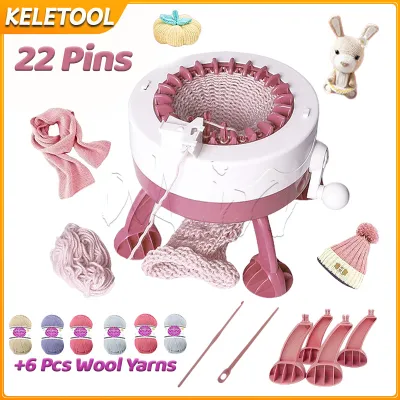
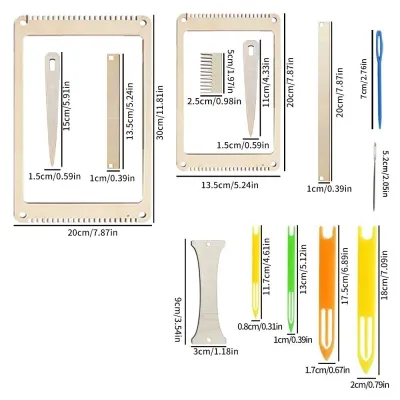
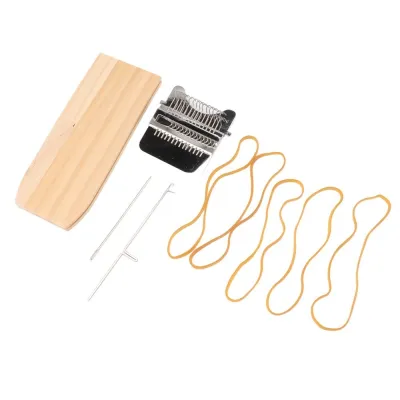
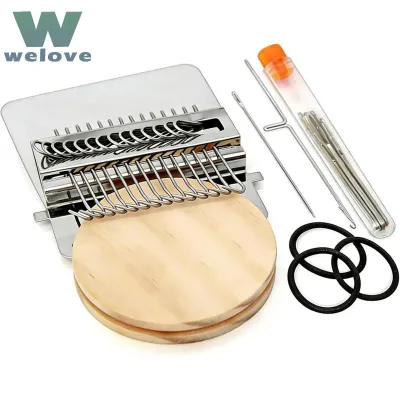
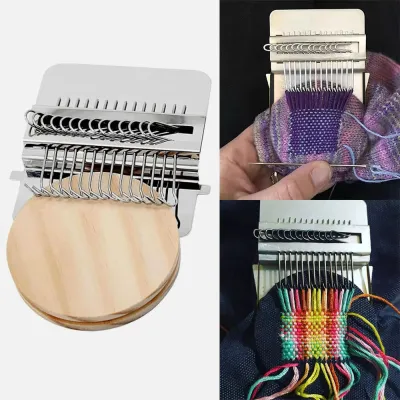
Prices are valid at publication and may change. Please refer to the product page for the latest price.
The width of the loom directly dictates the maximum width of your finished projects. A small loom with a weaving width of 15 to 25 centimeters is perfect for learning the basics through coasters, bookmarks, and narrow wall hangings. If your goal is to weave wearable accessories like winter scarves, look for a loom width of at least 25 to 40 centimeters. Choosing a loom that is too wide for a beginner can make managing warp tension and shuttle passes physically awkward, so starting with a modest, mid-sized option is generally recommended.
Verify Essential Hardware and Kit Completeness
A high-quality beginner kit must feature robust hardware that can withstand the constant tension of warped threads. Examine the frame material, prioritizing solid hardwoods like beech or maple, which resist warping and bending over time. Inspect the joints of the frame to ensure they fit together tightly without wobbling, and check that the wood surfaces are sanded completely smooth. Rough edges or splinters will snag delicate yarn fibers, causing fraying and broken warp threads during your project.

The kit should include all the primary components required to create a shed and pass your weft yarn through. For a rigid heddle setup, verify that the heddle, reed, and shuttle are all included and designed to work together. The shuttle holds your weft yarn and should be slightly longer than the width of your project to allow for smooth passes. If you are choosing a frame loom, ensure it comes with a shed stick or rotating heddle bar, which lifts alternating threads to speed up the weaving process.
Beyond the loom itself, several small but indispensable tools must be present in the box to prevent unexpected trips to a craft store. A warp threader is essential for pulling yarn through the narrow slots and holes of a rigid heddle. A sturdy weaving comb or fork is needed to pack down your weft rows evenly, ensuring a consistent fabric density. Finally, a blunt-tipped tapestry needle is required for weaving in loose ends and finishing your edges securely once the piece is cut off the loom.
Match Yarn Weight and Texture to Your Loom
The spacing of the teeth on your loom or the slots in your reed determines the thickness of the yarn you can use. This spacing is measured in dents per inch (DPI), which indicates how many warp threads fit into a single inch of width. A standard beginner loom typically features a 7.5 or 8 DPI reed, which is highly versatile and pairs perfectly with medium-weight yarns. Using a yarn that is too thick for your reed will cause friction and shredding, while a yarn that is too thin will result in a loose, structurally weak fabric.
For your very first projects, select fibers that offer a balance of structural stability and gentle elasticity. Medium-weight cotton yarn is an excellent choice for warp threads because it is strong, inelastic, and holds its shape under tension without snapping. For the weft, wool or high-quality acrylic yarns provide a pleasant grip and a slight stretch, making it easier to maintain even edges without pulling the sides of your fabric inward.
Avoid highly slippery, heavily textured, or easily splitting yarns when you are still mastering your tension control. Novelty yarns with long eyelashes, slubs, or metallic threads can easily catch on the loom teeth or heddle slots, leading to frustrating tangles and uneven rows. Smooth, multi-ply yarns allow you to see your stitch structure clearly, helping you identify and correct mistakes like skipped threads or uneven tension before you have woven too far.
Evaluate Yarn Quality and Bundle Value
Many beginner kits come bundled with a selection of starter yarns, which can save you the hassle of sourcing materials separately. To evaluate the value of these bundles, read the included yarn labels carefully to check the fiber content, total yardage, and care instructions. A bundle that offers a generous amount of standard cotton and wool is far more valuable than one filled with tiny scraps of low-grade synthetic yarn that will barely cover a single small project.
Compare the overall cost of an all-in-one kit against purchasing a bare loom and buying your yarn separately. A complete beginner kit typically ranges from S$50 to S$150 depending on the size and materials included. While a bundled kit offers immediate convenience, sourcing your own yarn allows you to choose specific colors and higher-quality fibers from trusted brands. If you decide to buy yarn separately, look for established brands known for consistent twist and clear labeling, ensuring that the yarn will not unravel or vary in thickness throughout the skein.
When assessing starter yarn bundles, look for colorways that are easy to work with. High-contrast colors make it much easier for a beginner to distinguish between the warp (vertical) and weft (horizontal) threads, which is incredibly helpful when learning how to fix mistakes. A kit that includes at least two distinct, coordinating colors will allow you to practice basic patterns, stripes, and color-blocking techniques right out of the box.
Spot Red Flags in Entry-Level Weaving Kits
As you browse online marketplaces or local craft shops, be alert to common red flags that indicate a poorly designed kit. The most significant warning sign is a complete lack of clear, illustrated assembly instructions or beginner-friendly threading guides. Weaving has a steep initial learning curve, and trying to warp a loom without a step-by-step manual or access to video tutorials often leads to abandoned projects and unnecessary frustration.
Another common issue in cheap kits is mismatched or poorly fitting components. For example, a reed that does not slide smoothly into the loom’s castle slots, or a heddle bar that is too short for the frame, will make weaving nearly impossible. Ensure that all moving parts are designed specifically for that model and fit together without requiring excessive force, which can crack the wooden frame.
Finally, avoid kits made from thin, lightweight plywood or plastic frames that flex under pressure. Warp threads must be kept under tight, consistent tension to create a neat, even weave. If the frame bends or bows inward when you tighten the warp, your tension will constantly fluctuate, resulting in a distorted finished piece with uneven edges. Investing in a solid, rigid frame ensures a frustrating-free learning experience and a much higher quality of finished work.
Frequently Asked Questions (FAQ)
Can I use standard knitting yarn for my first weaving project?
Yes, you can use standard knitting yarn, but you must test its strength before using it as a warp thread. Warp threads are subjected to constant tension and friction, so they must be strong enough to resist snapping. To test your knitting yarn, hold a short length between your hands and pull firmly; if it breaks easily, reserve it for the weft (horizontal passes) and use a stronger, tightly spun cotton or wool yarn for your warp.
What should I do if my kit is missing a shuttle or heddle?
If your kit is missing a vital component, measure the interior width of your loom frame to find the exact size needed for a replacement. You can purchase compatible wooden shuttles and rigid heddles individually from weaving specialty shops or online marketplaces. If you need an immediate, temporary solution while waiting for a replacement, you can cut a shuttle shape out of sturdy cardboard or use a smooth wooden ruler as a temporary shed stick.
Community discussion
Share your experience or ask a question. Comments are reviewed before publication.