
Selecting your first paintbrush set can feel overwhelming given the variety of shapes, sizes, and hair types lining the shelves of art supply stores. For a beginner, the most effective starter collection is not the largest one, but rather a focused selection of versatile, durable brushes that match your chosen medium. Prioritizing a few essential shapes—such as a round, a flat, and a filbert—made from resilient synthetic bristles will give you the control and flexibility needed to learn foundational techniques without unnecessary frustration.
Investing in a massive, low-cost set often leads to early disappointment. Cheap brushes frequently shed bristles onto your canvas, lose their shape after a single painting session, and fail to hold paint evenly. By understanding the core components of a quality brush, you can confidently select a starter set that supports your learning journey and helps you develop consistent brush control.
Understanding Bristle Materials: Synthetic vs. Natural
The choice between synthetic and natural bristles is the most critical decision when purchasing your first paintbrush set, as it directly impacts how paint flows onto your surface and how long your brushes will last. Matching your bristle type to your specific paint medium ensures a smoother application and prevents premature wear.
Products mentioned in this guide
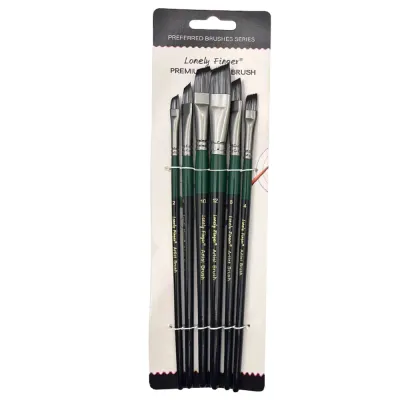
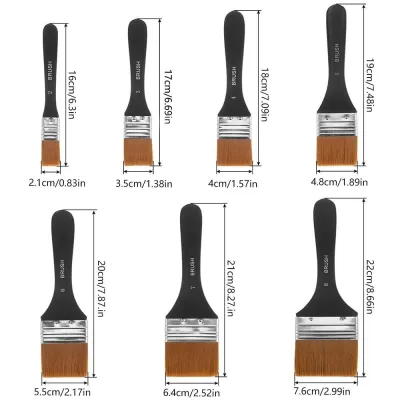
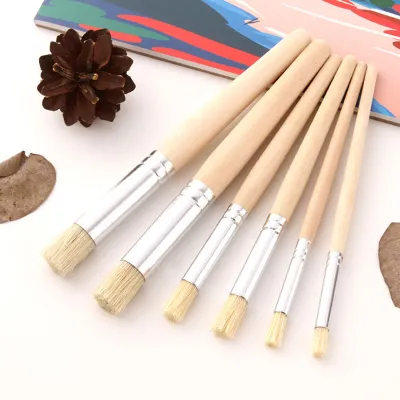
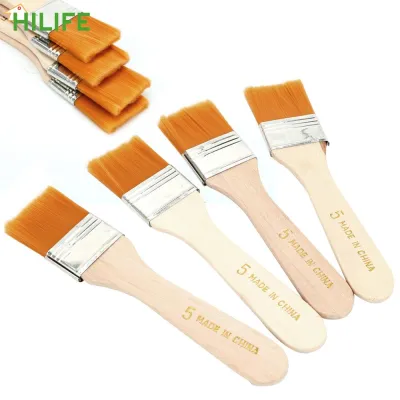
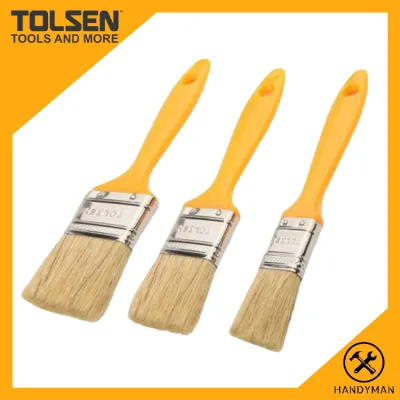
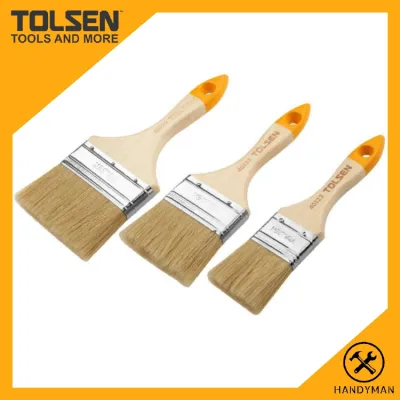
Prices are valid at publication and may change. Please refer to the product page for the latest price.
Synthetic bristles are typically made from extruded nylon or polyester filaments. Modern manufacturing techniques allow these fibers to be tapered and tipped to mimic the performance of natural hair. Synthetic brushes are highly resilient, maintain their shape exceptionally well when wet, and are easy to clean. They are particularly well-suited for water-based mediums like acrylics and watercolors.
Natural bristles are sourced from animal hair, such as hog, sable, or squirrel. Hog bristle is stiff and coarse, making it excellent for heavy-body oil paints because it has the structural strength to push thick, viscous paint across a textured canvas. Sable and squirrel hairs are incredibly soft and flexible, capable of holding a massive volume of water and paint, which has made them the traditional choice for watercolorists. However, natural hair brushes are delicate, require meticulous maintenance, and are generally much more expensive than synthetic options.
When browsing art supply shops or online marketplaces, read product labels carefully to verify the material composition. Look for terms like “synthetic sable” or “interlocking synthetic fibers,” which indicate high-quality engineered alternatives. The packaging should explicitly state which mediums the brushes are designed for, such as “optimized for acrylic and watercolor.”
In humid climates like Singapore, synthetic brushes offer an additional practical advantage. High humidity can slow down the drying process of natural hair brushes, making them more susceptible to mildew and mold if stored before they are completely dry. Synthetic fibers dry much faster and are less prone to harboring organic growth, making them a more forgiving and low-maintenance option for local hobbyists.
Essential Brush Shapes for Beginners
A common mistake for beginners is buying a set with a dozen different brush shapes, many of which are highly specialized and rarely used. A versatile starter set only needs to feature three primary shapes to handle almost any basic painting technique. Mastering these core shapes allows you to understand how different angles and pressures alter your brushstrokes.

The round brush is the absolute workhorse of any painting kit. It features a round ferrule and a pointed tip, allowing you to transition seamlessly from fine, detailed lines to broader strokes simply by adjusting your hand pressure. The belly of a round brush holds a generous amount of paint, which is useful for sketching, outlining, and filling in smaller areas. A medium-sized round brush is often the most frequently used tool in a beginner’s collection.
Flat and wash brushes have a square, straight edge with a flat ferrule. These brushes are designed to hold a large volume of paint and lay down broad, even strokes of color. They are ideal for painting sharp edges, straight lines, and filling in large rectangular areas like skies or backgrounds.
The filbert brush is a hybrid shape, featuring a flat ferrule but with bristles that are curved into an oval shape at the tip. This unique design combines the coverage of a flat brush with the soft, organic blending capabilities of a round brush. Filberts are highly favored for portraiture and landscape painting because they do not leave harsh, sharp edges on the canvas, making it much easier to blend colors smoothly and paint natural curves like flower petals or clouds.
As a beginner, it is wise to avoid highly specialized shapes such as fan brushes, liner brushes, and angle shaders. While these tools can create interesting textures or ultra-thin lines, they require specific techniques that can distract you from mastering foundational brush control. Learning to achieve similar effects using only your round and flat brushes will build stronger hand-eye coordination and a deeper understanding of brush mechanics.
Choosing the Right Sizes for Your First Set
Navigating paintbrush sizes can be confusing because there is no universal standardization across the art supply industry. A size 6 round brush from one manufacturer might be twice the size of a size 6 from another brand. Understanding how to interpret these numbers and selecting a balanced range of physical sizes will ensure your starter set is practical for your projects.
Brush sizes are typically indicated by numbers printed on the handle, ranging from extremely small detail brushes (such as 000, 00, or 0) up to large utility brushes (such as 12, 14, or higher). Because these numbers are relative to each brand’s specific product line, you should not rely solely on the number itself. Instead, look at the physical dimensions of the brush head—specifically the width of the ferrule and the length of the bristles—which are often listed in millimeters on product specifications.
A practical starter set should feature a balanced distribution of small, medium, and large brushes. A small brush (such as a size 2 round) is essential for fine details, tight corners, and precise linework. A medium brush (such as a size 6 round or a size 8 filbert) will handle the majority of your general painting, blending, and shape-blocking. A large brush (such as a 1/2-inch flat or a size 10 wash brush) is necessary for covering large areas quickly and laying down smooth background washes.
When evaluating a pre-packaged set, ensure it offers this spread of sizes rather than a cluster of very similar sizes. A set containing sizes 2, 4, 6, and 8 of the exact same brush shape is far less useful than a set that provides a size 2 round, a size 6 filbert, and a 1/2-inch flat. Having a distinct small, medium, and large option allows you to scale your tools to the size of your canvas, whether you are working on a small postcard-sized watercolor or a larger stretched canvas.
Evaluating Set Quality and Build
The physical construction of a paintbrush determines how long it will last and how comfortable it will be to use during extended painting sessions. Even when shopping for budget-friendly beginner sets, you can easily identify well-made tools by inspecting three key areas: the ferrule, the handle, and the bristle assembly.
The ferrule is the metal band that connects the bristles to the handle. A high-quality ferrule should be seamless, meaning it is made from a single piece of metal without a visible joint or seam. Seamed ferrules are prone to splitting and can trap water, leading to rust and loose bristles. Ensure the ferrule is double-crimped (pressed tightly) onto the handle so there is absolutely no wobbling. Rust-resistant materials like nickel-plated brass or aluminum are highly desirable, especially in humid environments where moisture can quickly degrade cheap metals.
The handle should feel balanced and comfortable in your hand. Most traditional paintbrushes feature hardwood handles, which should be sealed with a smooth, thick layer of varnish or lacquer. This coating protects the wood from absorbing water, which causes the wood to swell, crack, and loosen the ferrule. Alternatively, many modern synthetic brushes feature solid acrylic handles, which are completely waterproof and highly durable, though they may feel slightly heavier than wood.
To assess the quality of the bristles, perform a simple “snap” test if you are shopping in person. Gently bend the damp or dry bristles to the side with your finger and release them; they should immediately spring back to their original, straight shape. If the bristles feel mushy, stay bent, or splay outward, the brush will offer poor control. If you are purchasing online, read verified user reviews specifically looking for mentions of shedding. A brush that constantly sheds hairs onto your wet paint is incredibly frustrating to work with and can ruin your finished artwork.
How to Build or Select Your Starter Paintbrush Set
When acquiring your first paintbrushes, you face a choice: purchase a pre-packaged beginner set or curate your own collection by buying individual brushes. Both approaches have distinct advantages and trade-offs, and the right decision depends on your budget and how specific your painting goals are.
Pre-packaged beginner sets are highly convenient and offer excellent value for money. They are designed to give you a broad introduction to different shapes and sizes at a lower price point than buying each brush individually. However, these sets sometimes include “filler” brushes—shapes or sizes you may rarely use—and the overall quality of each individual brush may be lower to keep the set price affordable.
Curating your own set by purchasing individual brushes allows you to focus your budget entirely on high-quality tools that match your exact needs. While this custom approach may result in fewer total brushes for the same price, the superior quality of the tools will often make your painting experience much more enjoyable and productive.
If you decide to purchase a pre-packaged set, use a practical checklist to verify its utility. Ensure it contains at least one medium round brush, one flat brush, and one filbert. Confirm that the bristle material is compatible with your paint medium (such as synthetic for acrylics) and check that the ferrules are seamless and secure. Avoid sets that boast a high piece count but consist mostly of tiny, identical detail brushes or highly specialized shapes.
A smart budget strategy for beginners is to allocate your funds toward a few reliable, mid-range brushes rather than a massive, cheap set. For instance, spending S$20 to S$30 on a well-constructed 4-piece synthetic set from a reputable art brand will yield far better results than spending the same amount on a 24-piece budget set from a generic retailer. High-quality mid-range brushes will hold their shape, resist shedding, and last for years with proper care, providing a solid foundation for your artistic growth.
Frequently Asked Questions (FAQ)
How should I clean and store my new paintbrushes?
Always clean your brushes immediately after each painting session to prevent paint from drying and hardening inside the bristles. For water-based paints like acrylic or watercolor, rinse the bristles thoroughly under lukewarm water using a mild soap or a dedicated brush cleaner. Never leave your brushes resting face-down in a water jar, as this permanently bends the bristles and allows water to dissolve the glue inside the ferrule. After washing, gently reshape the wet bristles with your fingers and lay the brushes flat on a clean towel to dry, ensuring water does not seep back into the wooden handle.
Do I need to buy expensive brushes as a beginner?
No, you do not need to invest in expensive, professional-grade brushes when you are just starting out. Mid-range synthetic brushes offer an excellent balance of performance, durability, and affordability, making them perfect for learning foundational techniques. Professional brushes, such as pure Kolinsky sable, are highly delicate and expensive, and their unique benefits are difficult to appreciate without developed brush control. You should consider upgrading to premium brushes only when you find that your current tools are limiting your ability to execute specific advanced techniques, or when you transition to professional-grade paints.
Community discussion
Share your experience or ask a question. Comments are reviewed before publication.