
Choosing your first paint set is the critical first step of your creative journey, but walking into an art supply store or browsing online marketplaces can quickly feel overwhelming. Rows of colorful tubes, varying price points, and unfamiliar terminology often lead beginners to purchase either the cheapest utility kit or an overly complex professional setup. The key to a successful start is finding a balanced set that matches your physical workspace, teaches you the fundamentals of color mixing, and includes tools that help rather than hinder your progress.
Instead of chasing the largest color count, focus on the quality of the medium, the usability of the bundled accessories, and how well the paint pairs with your chosen surface. A well-selected starter set prevents the common frustrations of muddy color mixtures, warping paper, and shedding brush bristles. By understanding what to look for on the packaging and matching the medium to your daily environment, you can select a set that keeps you inspired and eager to practice.
Choosing the Right Paint Medium for Your Workspace and Goals
Your physical environment and cleanup tolerance should dictate your choice of paint medium just as much as your artistic style. The three most popular entry points for beginners—watercolor, acrylic, and gouache—each behave differently on the palette and require distinct working conditions. Selecting the wrong medium for your living space can turn a relaxing hobby into a stressful chore.
Products mentioned in this guide
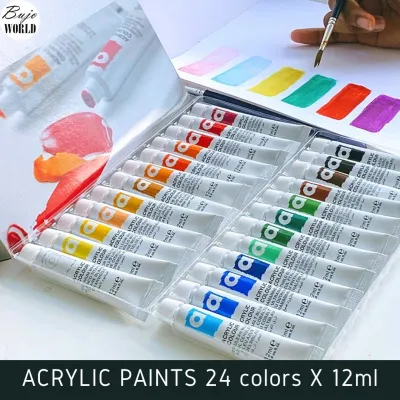
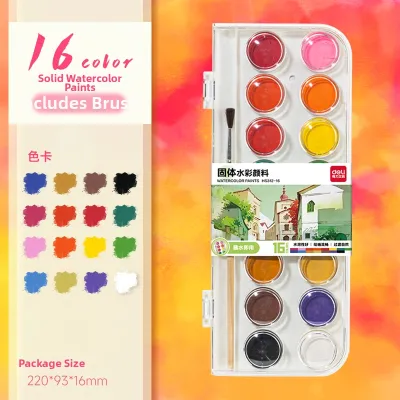
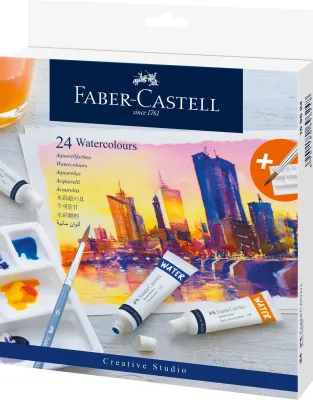
![[SG] 12 Colours Artist Paint Set 12ml | Water Acrylic & Oil Paints [Evergreen Stationery]](https://img.lazcdn.com/g/p/dca4156176a4807102de12becd2843a5.png_400x400q80.png_.webp)
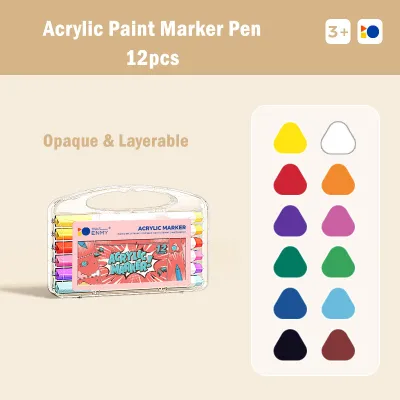
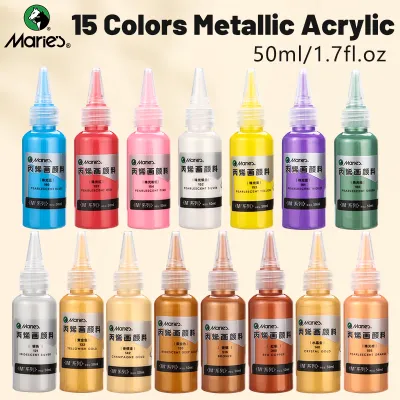
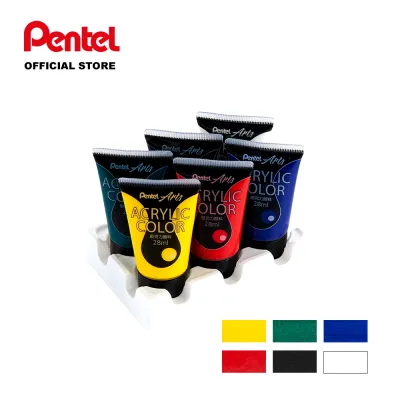
Prices are valid at publication and may change. Please refer to the product page for the latest price.
Watercolor is highly celebrated for its portability, minimal setup, and exceptionally easy cleanup. Because it is water-soluble and transparent, you only need a small cup of water and a cloth to clean your workspace, making it ideal for compact homes or shared dining tables. In humid climates, watercolor washes may take slightly longer to dry on the page, but the paint itself remains workable indefinitely on your palette; even dried paint can be reactivated with a wet brush. The learning curve centers on controlling the water-to-paint ratio, as watercolor is less forgiving of mistakes and cannot easily be layered over to hide errors.
Acrylic paint is a plastic-based medium that dries quickly to a permanent, water-resistant finish. This rapid drying time allows you to build opaque layers rapidly, making it incredibly forgiving for beginners who want to paint over mistakes. However, this same fast-drying nature means you must work efficiently, as acrylics cannot be reactivated once dry, and leaving paint on your brushes will ruin them permanently. Acrylics require access to a sink for immediate cleanup and benefit from a dedicated workspace where paint splatters will not damage furniture.
Gouache offers a unique middle ground, combining the opaque, matte finish of acrylics with the water-soluble versatility of watercolors. It dries quickly but can be reactivated with water at any time, allowing you to blend colors directly on the surface or correct mistakes hours after they dry. This makes gouache highly forgiving and excellent for small-scale illustrations on flat desks. Like watercolor, cleanup is straightforward and requires no harsh solvents, making it highly suitable for workspaces without heavy ventilation.
Evaluating Color Count and Pigment Quality
When browsing beginner paint sets, it is tempting to choose the box with the highest number of pre-mixed colors. However, massive sets containing dozens of tiny tubes can actually slow down your artistic development. Learning how to mix your own shades from a limited palette of primary and secondary colors builds a deep, intuitive understanding of color theory that pre-mixed sets cannot provide.

A starter set with 10 to 12 well-chosen colors—including warm and cool variations of red, blue, and yellow, along with white and black—is generally superior for learning. This limited selection forces you to practice mixing, helping you avoid the flat, unnatural tones that often come straight out of a budget tube. It also keeps your workspace organized and prevents decision paralysis when you sit down to paint.
Beyond color count, you must navigate the distinction between student-grade and professional-grade paints. Student-grade paints are formulated to be budget-friendly, substituting expensive organic pigments with synthetic alternatives and using higher ratios of binders and fillers. While highly practical for initial practice, some low-quality student paints can feel chalky, dry dull, or turn muddy when mixed. Professional-grade paints offer a much higher pigment load and superior lightfastness, meaning the colors remain vibrant over time and resist fading when exposed to sunlight.
To verify paint quality before buying, examine the product packaging or online specifications for key indicators. Look for the presence of specific pigment codes (such as PB29 for Ultramarine Blue or PY3 for Hansa Yellow) rather than generic color names like “sky blue.” Reliable starter sets will also display a lightfastness rating, often marked as I (excellent) or II (very good) under ASTM standards, ensuring your early creations will not fade away within a few months.
Assessing the Quality of Included Tools and Accessories
Many beginner paint sets are sold as all-in-one kits, complete with brushes, palettes, and carrying cases. While these bundles offer excellent convenience, the quality of the included accessories can vary dramatically. Low-quality tools are a primary source of frustration for beginners, often leading to shedding bristles on the canvas or paint pooling uncontrollably on cheap plastic surfaces.
Pay close attention to the brushes included in the set. For acrylics and gouache, synthetic bristles made of nylon or polyester are generally preferred because they maintain their spring and shape when wet and withstand the heavy wear of thick paint. For watercolor, look for soft synthetic blends designed to hold a significant amount of water. A basic starter set should include at least one medium-sized round brush (size 6 or 8) for detail work and one flat brush (half-inch or larger) for covering broad areas. Avoid sets that include stiff, coarse hog bristle brushes unless you are planning to paint with heavy-bodied oils.
Evaluate the utility of the other bundled accessories. A functional mixing palette should have enough flat surface area to blend colors without them running into each other. Cheap plastic palettes often cause water-based paints to bead up and separate, making color mixing difficult; a smooth, flat plastic or ceramic surface is much easier to work with. If the kit includes a water cup, ensure it is stable and heavy enough not to tip over easily on your desk.
Be alert to red flags that indicate a set’s tools are purely decorative. Brushes with loose metal ferrules that wobble on their wooden handles will shed hairs into your wet paint, which is incredibly difficult to remove without ruining your work. If the included tools feel flimsy, light, or poorly constructed, it is often wiser to buy a paint-only set and purchase a few high-quality brushes and a sturdy palette separately.
Matching the Paint Medium with the Correct Paper or Surface
Even the highest quality paint will perform poorly if applied to the wrong surface. Beginners often overlook the importance of the painting substrate, attempting to use standard printer paper or thin sketchbooks, only to watch the surface warp, pill, or tear under the moisture. Matching your paint medium to the correct paper weight and texture is essential for a smooth learning experience.
Paper weight is measured in grams per square meter (gsm). Watercolors require heavy, absorbent paper—ideally 300 gsm or thicker—to handle the significant amount of water used without buckling. For acrylics and gouache, which are heavier and contain less water, you can use heavy-duty mixed media paper (at least 200 to 250 gsm) or canvas boards. Canvas boards provide a rigid, stable surface that handles the thick, opaque layers of acrylic paint beautifully without bouncing under your brush strokes.
When evaluating a paint set that includes paper, check the specifications of the included pad or block. If the packaging simply lists “paper” without specifying the weight in gsm, it is highly likely to be too thin for wet mediums. If you are buying paper separately, look for cold-pressed paper if you want a textured surface that holds water well, or hot-pressed paper if you prefer a smooth surface for detailed gouache or watercolor illustrations.
To avoid ruining your initial painting sessions, perform a quick compatibility check before you begin. Never use standard drawing paper, printer paper, or thin notebook pages for wet paint mediums. If you are unsure whether a surface can handle your paint, apply a small patch of water to a corner; if the paper immediately begins to warp or pill under light brush pressure, it is unsuitable, and you should transition to a dedicated mixed-media or watercolor pad.
Building Your Beginner Paint Set Shopping Checklist
To make your final decision straightforward, use a structured verification process when comparing different paint sets in-store or on online marketplaces. This systematic approach ensures you do not overlook critical details like pigment quality or surface compatibility in favor of attractive packaging.
First, confirm that the paint medium aligns with your workspace constraints and cleanup preferences. Next, check the color count; aim for a focused set of 10 to 12 colors that includes clear primary shades rather than a massive array of pre-mixed pastel tones. Read the product description carefully to locate pigment codes and lightfastness ratings, which serve as your primary guarantee of paint quality. Finally, inspect the included brushes and accessories, looking for synthetic bristles and sturdy mixing trays while avoiding kits with flimsy, shedding brushes.
When deciding whether to buy an all-in-one boxed kit or assemble a custom starter bundle, consider your immediate goals. An all-in-one kit is highly convenient, makes an excellent gift, and allows you to start painting immediately without researching individual components. However, if you want to ensure the highest quality for every tool, assembling a custom bundle—by purchasing a reputable student-grade paint set, two high-quality synthetic brushes, and a dedicated pad of 300 gsm paper—often provides a much better long-term painting experience.
Frequently Asked Questions (FAQ)
Is it better to buy a complete set or individual tubes?
For most beginners, a pre-packaged starter set is the most practical and cost-effective choice. These sets are curated to provide a balanced range of colors that work well together, saving you the complexity of selecting individual tubes. They are also highly portable, easy to store, and generally offer a lower upfront cost than buying individual colors separately.
However, if you have a clear understanding of the specific colors you want to use, or if you want to focus deeply on color mixing theory, assembling your own set can be highly rewarding. Buying individual tubes allows you to invest in larger quantities of high-use colors, such as white and primary blue, while selecting a higher grade of paint than what is typically found in budget starter boxes. This approach is highly practical if you plan to paint frequently and want to build a custom palette over time.
How do I clean and maintain the brushes included in a starter set?
Proper maintenance is essential to keep your brushes in good working condition and prevent the bristles from splitting or falling out. Always rinse your brushes thoroughly in cool or lukewarm water immediately after each painting session. Never use hot water, as it can melt the glue holding the bristles inside the metal ferrule, causing the brush to shed.
For water-based paints like watercolor and gouache, mild soap and water are sufficient to clean the bristles. For acrylics, you must wash the brushes immediately before the paint dries; once acrylic paint hardens in the bristles, it cannot be washed out with water. After washing, gently reshape the brush head with your fingers and lay the brushes flat on a clean towel to dry. Never leave your brushes soaking face-down in a water cup, as this bends the bristles permanently and waterlogs the wooden handles, causing the wood to swell and crack.

Community discussion
Share your experience or ask a question. Comments are reviewed before publication.