
Quick Answer: The Ideal Beginner Knitting Yarn Set
An ideal beginner knitting yarn set should focus on simplicity, containing only the essential tools needed to complete a first project without causing cognitive overload. The core of any high-quality starter kit consists of a medium-weight yarn (such as worsted, aran, or DK weight), a pair of appropriately sized straight or short circular needles, and a few basic finishing accessories like stitch markers, a tapestry needle, and a small pair of scissors.
The primary quality check when evaluating these sets is the presence of clear, legible labeling on the yarn packaging. This label must explicitly state the yarn weight, fiber content, care instructions, and recommended needle size compatibility. Choosing a streamlined, minimal set ensures that your initial investment—typically ranging from S$15 to S$40—goes directly toward usable, high-quality materials rather than a collection of unnecessary plastic gadgets that only serve to complicate the learning process.
Essential Components of a True Beginner Yarn Set
When browsing online marketplaces for your first knitting yarn set, it is easy to be swayed by kits that boast dozens of individual pieces. However, a true beginner set prioritizes functional utility over sheer quantity. The absolute essentials required to learn the craft are remarkably few: a skein of yarn, a pair of needles, a tapestry needle for weaving in loose ends, and a pair of scissors.
Products mentioned in this guide
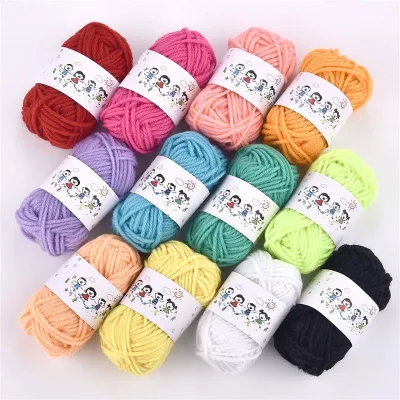
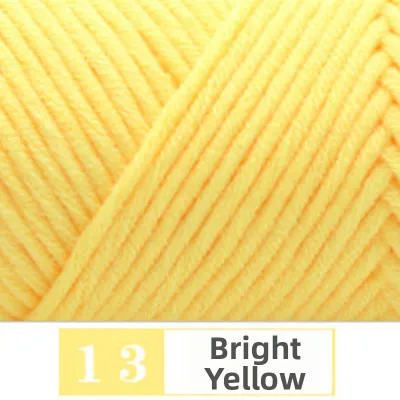
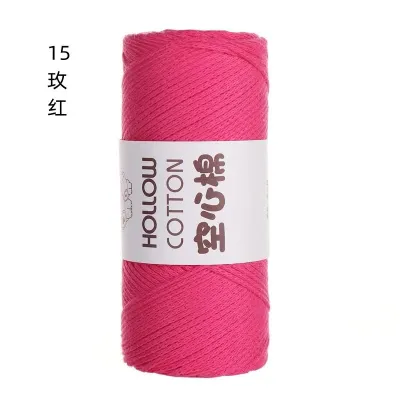
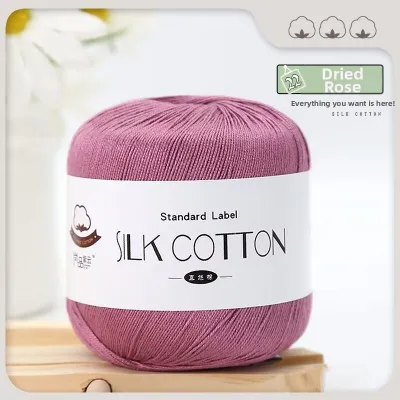
Prices are valid at publication and may change. Please refer to the product page for the latest price.

Advanced extras such as cable needles, stitch holders, row counters, and point protectors are completely unnecessary for a novice. Including these items in a starter kit often serves as padding to inflate the perceived value of the product, driving up the price while offering no immediate benefit. A streamlined set reduces your initial financial commitment and allows you to focus entirely on mastering the knit and purl stitches before deciding whether to invest in specialized notions.
To ensure you are purchasing a practical kit, read the product descriptions carefully. Some listings are packaged as general craft boxes that combine elements of crochet, embroidery, and knitting. These hybrid sets often lack the specific needle sizes or yarn quantities required to complete a cohesive knitting project, leaving you with mismatched tools that hinder your progress.
Yarn Type, Weight, and Yardage
The yarn included in your starter set is the foundation of your first project, and its physical characteristics will directly impact how easily you learn. Beginners should look for medium-weight yarns, specifically those categorized as Worsted (Medium 4), Aran, or DK (Light Worsted). These weights are thick enough to hold comfortably in your hands and allow you to see individual stitches clearly, making it much easier to identify and correct mistakes.
Before finalizing your purchase, verify the total yardage or meterage provided in the set. A common frustration for new knitters is running out of yarn before completing their first piece. For a standard beginner project like a dishcloth, headband, or simple scarf, you will generally need at least 100 to 200 meters of yarn. Ensure the product specifications clearly state the length of each skein so you can match it to your intended project.
If the set includes multiple skeins of the same color, check the product details for mention of dye lots. Dyeing yarn is a chemical process, and different batches can have subtle variations in shade. A high-quality knitting yarn set will supply skeins from the same dye lot, ensuring a uniform, professional look across your finished fabric without unexpected bands of slightly different colors.
Knitting Needles and Sizing Compatibility
A successful knitting experience requires a precise match between the thickness of your yarn and the size of your needles. You can verify this compatibility by cross-referencing the recommended needle size printed on the yarn label with the needles included in the kit. For medium-weight worsted or aran yarns, the ideal needle size typically ranges from 4.0mm to 5.5mm (US sizes 6 to 9).
Starter sets generally offer either straight needles or short circular needles. Straight needles are highly intuitive for flat, narrow projects like scarves, as they have a clear beginning and end. However, short circular needles—which consist of two needle tips connected by a flexible plastic cord—are highly versatile because they distribute the weight of the growing fabric onto your lap rather than your wrists, reducing physical fatigue during long practice sessions.
When evaluating the needles in a kit, pay close attention to the needle tips and the joins. The tips should be moderately pointed; overly sharp tips can split the yarn fibers, while excessively blunt tips make it difficult to insert the needle into the stitches. For circular needles, the transition zone where the needle meets the plastic cord must be perfectly smooth to prevent the yarn from snagging as you slide your stitches along.
Quality Markers: How to Evaluate the Yarn and Tools
Evaluating the physical quality of a knitting yarn set online requires looking closely at the technical specifications and user feedback. High-quality materials are forgiving of the uneven tension and frequent unraveling that naturally occur when you are first learning. Poorly manufactured tools and low-grade yarn, on the other hand, can cause unnecessary friction and frustration.
To assess the quality of the set, focus on the structural integrity of both the fiber and the tools. The yarn must have a stable structure that resists splitting, while the needles must offer a surface texture that matches your current skill level. Even the small accessories, such as stitch markers and tapestry needles, should be durable enough to withstand repeated use without snapping or bending.
Assessing Yarn Fiber and Texture
The fiber composition and texture of your yarn play a critical role in how easily you can manipulate your stitches. For absolute beginners, smooth, multi-ply yarns are highly recommended. A plied yarn consists of multiple strands twisted together, which provides excellent structural stability and helps the yarn resist splitting when inserted with a needle tip. Avoid novelty yarns, such as bouclé, chenille, or eyelash yarns, as their highly textured surfaces hide individual stitches and make it nearly impossible to count rows or fix dropped stitches.
Fiber content also dictates how easy the yarn is to maintain and how it feels in your hands. Acrylic, superwash wool, and cotton-acrylic blends are excellent choices for beginners. Acrylic is highly durable, budget-friendly, and machine-washable, making it incredibly forgiving during practice. If you live in a warm, humid climate like Singapore, a breathable cotton-acrylic blend is particularly suitable, offering the softness of cotton with the elasticity and structural support of acrylic.
Be cautious of extremely slippery fibers like pure silk, bamboo, or mercerized cotton, as they can easily slide off your needles and cause you to drop stitches. Conversely, cheap, unplied single-ply yarns or highly splitty cotton yarns can catch on your needle tips, leading to frustration and uneven fabric tension.
Checking Tool Material and Finish
The material of your knitting needles directly influences your control over the stitches. Bamboo and wooden needles are the gold standard for beginners because their natural surface texture provides a gentle grip. This friction keeps the yarn from sliding off the needles accidentally, allowing you to focus on the mechanics of the stitch. Metal needles, while durable and excellent for experienced, fast knitters, are often too slick for beginners and can lead to dropped stitches.
When examining product images and descriptions, look for signs of a high-quality finish. The needles must be completely smooth, free of splintering, manufacturing burrs, or rough patches that could snag the delicate fibers of your yarn. Additionally, prioritize needles that have their sizes permanently engraved or stamped into the material, as printed sizes can quickly wear off with use, leaving you to guess the needle size later.
Do not overlook the quality of the included accessories. The scissors in the kit should be sharp enough to cut through yarn cleanly in a single snip; dull blades will shred the fiber ends, making them difficult to thread through a needle. The tapestry needle, which is used to weave in loose ends, should be made of sturdy metal or flexible plastic with a smooth, large eye that easily accommodates medium-weight yarn.
Red Flags: What to Avoid in Starter Kits
As you compare different knitting yarn sets on ecommerce platforms, being able to spot red flags will save you from making a frustrating purchase. The first major red flag is a kit that features extreme yarn weights. Avoid sets that contain very fine lace or fingering weight yarns, as well as those with giant, jumbo-weight roving yarns. Fine yarns require intense visual focus and precise finger coordination, while jumbo roving yarns lack structural twist, causing them to shed, pill, and tear apart easily under the tension of a beginner’s hands.
Another common pitfall is the inclusion of “gimmick” accessories that serve no immediate purpose for a beginner. Beware of kits that bundle knitting looms, complex pom-pom makers, or dozens of interchangeable needle tips. These items inflate the price of the set without helping you learn the fundamental hand-knitting stitches. Often, the manufacturers of these bloated kits compromise on the quality of the yarn and basic needles to keep the overall price point low.
Unbranded or poorly labeled yarn is another significant warning sign. If a kit’s product description fails to list the fiber content, care instructions, or weight category, avoid it. Working with unlabeled yarn makes it impossible to know how to wash your finished item safely, and you will not be able to easily purchase more of the same yarn if you run out.
Finally, avoid kits that provide needles without specifying their exact millimeter size. Sizing standards can vary between countries, and a kit that simply labels needles as “medium” or “standard” leaves you in the dark. Without precise millimeter measurements, you cannot accurately match your needles to future yarn purchases or follow standard knitting patterns.
Building Your Shortlist: A Step-by-Step Evaluation Checklist
To make a confident purchase, use this systematic checklist to evaluate and compare the knitting yarn sets on your shortlist.
- Step 1: Verify the Yarn Weight and Needle Size Match
Check the product specifications to ensure the included needles are compatible with the yarn weight. For a worsted or aran weight yarn, confirm that the kit provides needles measuring between 4.0mm and 5.5mm. If the needle size is too small for the yarn, your stitches will be tight and stiff; if it is too large, the fabric will be loose and floppy. - Step 2: Confirm the Total Yardage
Ensure the kit contains enough yarn to complete at least one full project. If the kit includes a pattern for a scarf, verify that the total yardage is at least 150 to 200 meters. If you are practicing basic stitches on a smaller scale, a single 100-meter skein is sufficient for a couple of small dishcloths or headbands. - Step 3: Check Fiber Content and Care Instructions
Select a fiber that matches your lifestyle and local climate. For everyday durability and easy maintenance, look for machine-washable acrylic or superwash wool. If you are knitting in a warm climate like Singapore, a cotton-acrylic blend provides a comfortable, breathable option that is easy to wash and wear. - Step 4: Review the Tool Material and Finish
Prioritize kits that feature bamboo or wooden needles, as their natural grip prevents stitches from slipping off. Read user reviews specifically looking for mentions of smooth finishes, and avoid any kits where buyers report rough needle tips, splintering wood, or snagging circular needle joins. - Step 5: Evaluate the Instructional Support
A great beginner kit does more than just supply materials; it guides you through the learning process. Look for sets that include clear, illustrated step-by-step printed patterns or provide QR codes linking to high-quality video tutorials. Having access to clear visual demonstrations of the cast-on, knit stitch, purl stitch, and cast-off methods will significantly reduce your learning curve.
Frequently Asked Questions (FAQ)
Can I use a crochet yarn set for knitting? (FAQ)
While the yarn included in a crochet set is perfectly suitable for knitting, the tools are not interchangeable. Crochet sets contain crochet hooks, which feature a single hook at the end used to loop yarn together. Knitting requires two pointed needles (either straight or circular) to hold and transfer active stitches. If you purchase a crochet-specific set, you will need to buy knitting needles separately to begin your knitting journey.
Do I need to buy extra yarn if the set only includes one skein? (FAQ)
Whether you need extra yarn depends entirely on the project you plan to make. A single skein of medium-weight yarn (typically 100 meters or 50 grams) is usually sufficient to knit a small project like a dishcloth, a cup cozy, or a simple headband. However, if your goal is to knit a full-sized scarf or a small baby blanket, you will need to purchase additional skeins. When buying extra yarn, ensure they share the same dye lot number to avoid noticeable color variations in your finished work.
Are interchangeable needle sets better for beginners than fixed circulars? (FAQ)
Interchangeable needle sets are highly versatile for experienced knitters because they allow you to swap different needle tips and cable lengths. However, they are generally much more expensive, often costing upwards of S$80 to S$150, and the connection points between the needle and cable can sometimes loosen or snag if not tightened perfectly. For absolute beginners, fixed circular needles or standard straight needles are a much better choice. They are highly cost-effective, have no moving parts to worry about, and provide a completely smooth, snag-free surface that makes learning to knit much easier.
Community discussion
Share your experience or ask a question. Comments are reviewed before publication.