
Selecting your first knit patch kit can mean the difference between a beautifully restored sweater and a frustrating afternoon of tangled yarn. A complete beginner needs a kit that balances high-quality, reusable hardware with forgiving, easy-to-handle materials. The ideal starter kit must contain a blunt tapestry needle, a small tension-adjustable embroidery hoop, medium-weight yarn, a stable backing patch, and highly visual, step-by-step instructions.
By focusing on these core components, you can avoid the common pitfalls of mismatched materials that lead to puckered fabric or frayed threads. Below is a practical guide to evaluating kit contents so you can make an informed purchase and start your mending journey with confidence.
Quick Answer: The Essential Beginner Knit Patch Kit Checklist
When browsing online marketplaces or local craft shops, look for a kit that includes these non-negotiable items:
Products mentioned in this guide
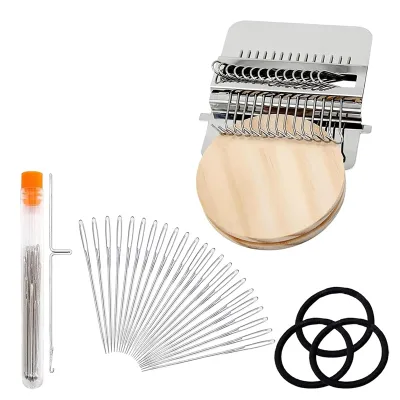
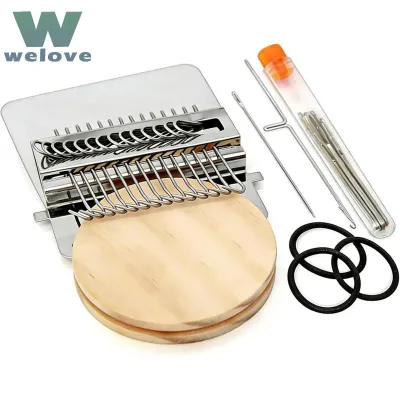
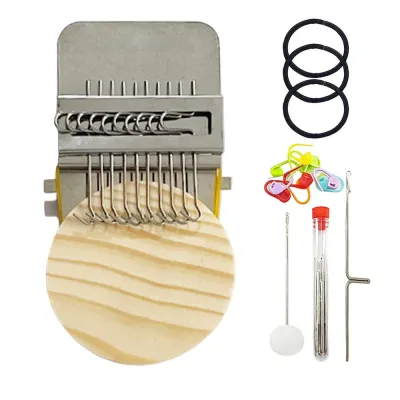
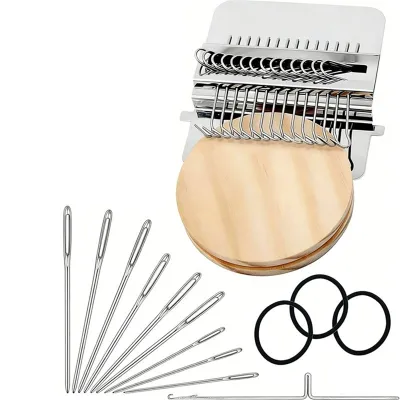
Prices are valid at publication and may change. Please refer to the product page for the latest price.
- Core Hardware: At least two blunt-tipped tapestry needles (sizes 18 to 22) and a small, adjustable embroidery hoop (8 to 12 centimeters in diameter).
- Essential Consumables: Medium-weight yarn (such as worsted or DK weight) in multiple colors, along with a stable, non-fraying backing fabric or practice patch.
- Learning Aids: A printed, highly visual instruction booklet with clear diagrams, plus a dedicated practice swatch to test your stitches before working on your actual garments.
If a kit lacks any of these components, you will likely need to purchase additional supplies separately, which defeats the convenience of a pre-curated package.
Why a Dedicated Kit Beats Buying Tools Separately
For a complete novice, walking into a large haberdashery or craft store can be overwhelming. The sheer variety of needle sizes, yarn weights, and stabilizers makes it easy to purchase incompatible items. A dedicated knit patch kit eliminates this guesswork by providing pre-matched materials designed to work together seamlessly.

When you buy tools individually, you might accidentally pair a thick, heavy yarn with a needle that has an eye too small to thread it. Alternatively, you might select a sharp needle that splits the delicate plies of your knitting yarn rather than sliding smoothly between them. A curated kit ensures that the needle eye accommodates the provided yarn, and that the yarn weight is appropriate for the scale of the practice materials.
From a financial perspective, buying a bundle is often much more cost-effective than sourcing individual items. Purchasing a full skein of yarn, a pack of needles, a wooden hoop, and specialized fabric scissors separately can easily exceed S$40. A beginner kit typically costs between S$15 and S$30, offering just the right amount of materials to learn the craft without leaving you with excess supplies you may never use.
There is also a significant psychological benefit to starting with a structured, ready-to-use package. Having all your tools organized in one box reduces the friction of starting a new hobby. You can open the box, follow the structured path laid out in the manual, and complete your first repair in a single afternoon without having to run back to the store for a missing tool.
Evaluating the Hardware: Needles, Hoops, and Scissors
The physical tools in your kit are long-term investments that you will continue to use long after the initial yarn runs out. Evaluating the quality of these hardware items before purchasing ensures you do not end up with flimsy, frustrating tools.
Needle Type and Quality
The needle is the most critical tool in any mending kit. For knit fabrics, you must look for blunt tapestry needles rather than sharp darning needles. Sharp needles are designed to pierce woven fabrics, but when used on knits, they can easily pierce and split the yarn loops, causing the fabric to unravel further.
A blunt tapestry needle slides smoothly through the existing loops of your knitwear, preserving the structural integrity of the garment. Look for a kit that provides metal needles rather than plastic ones. Metal needles glide through fibers with less friction, do not bend under pressure, and have smoother eyes that will not snag delicate wool or cotton fibers.
Hoop Size and Tension Mechanisms
An embroidery hoop is essential for holding your knit fabric taut while you work, preventing the surrounding stitches from puckering. For beginners, a small hoop measuring between 8 and 12 centimeters is ideal. Larger hoops can stretch out the knitwear excessively, distorting the shape of the garment permanently.
Pay close attention to the hoop material and its tension mechanism. Wooden hoops, particularly those made of smooth beechwood, offer excellent grip on stretchy knit fabrics. Plastic hoops are also acceptable, but they should feature a molded groove on the inner ring to prevent the fabric from slipping. Ensure the adjustment screw is sturdy, easy to turn by hand, and made of metal rather than cheap plastic that can strip over time.
Scissors and Cutting Tools
While not all kits include scissors, those that do should be evaluated carefully. Cheap, plastic-handled safety scissors will chew through yarn rather than cutting it cleanly. This leads to frayed ends that are incredibly difficult to thread through a needle eye.
If a kit includes a cutting tool, look for small, metal embroidery snips or thread cutters. These tools should have sharp, pointed blades that meet precisely at the tips, allowing you to make clean, decisive cuts close to your fabric. If the kit does not include scissors, plan to use a sharp pair of household sewing shears instead of standard paper scissors.
Assessing Consumables: Yarn, Thread, and Patch Bases
The consumables in your kit determine the durability, feel, and appearance of your finished repair. Understanding how to evaluate these materials will help you choose a kit that yields long-lasting results.
Yarn Weight and Fiber Content
Knitwear comes in various thicknesses, and your mending yarn should closely match the weight of the garment you are repairing. For beginners, worsted or DK (double knitting) weight yarns are the easiest to handle. These medium-weight yarns make it easy to see your stitch structure, allowing you to identify and correct mistakes quickly.
Fiber content is equally important for both ease of use and garment care. Look for kits that supply wool blends or high-quality acrylic yarns. Pure wool is excellent for darning because the fibers naturally cling to one another, creating a cohesive, durable patch over time. However, in warm, humid climates like Singapore, cotton or cotton-acrylic blends are highly practical options that feel comfortable against the skin and are easy to wash. Avoid kits that supply slippery, single-ply yarns, as these tend to untwist and break easily under tension.
Colorfastness and Washability
A beautiful patch is useless if the colors bleed into the surrounding fabric during the first wash. While you cannot easily test colorfastness before buying, you can look for kits that explicitly state their yarns are colorfast and machine-washable.
If you are planning to mend a garment that requires frequent washing, ensure the kit materials match those care instructions. For example, if your kit contains non-superwash wool yarn, washing your mended cotton t-shirt in hot water will cause the patch to shrink and felt, ruining the shape of the garment.
Patch Bases and Backing Materials
Many beginner kits utilize a “visible mending” approach, where a contrasting fabric patch is sewn onto the damaged area. The backing material provided in the kit must be stable enough to support the stretchy knit fabric without causing puckering.
Look for kits that include felted wool, linen, or stable cotton canvas patches. These materials do not stretch excessively, providing a solid foundation for your stitches. Avoid kits that use highly elastic synthetic fabrics as backing patches, as these are incredibly difficult for a beginner to align and sew down evenly.
Checking Instructional Support and Practice Materials
The best tools and materials are of little use if you do not understand how to use them. For a complete beginner, the educational component of a kit is just as important as the physical contents.
Visual vs. Text-Heavy Guides
Mending is a highly spatial and visual craft. A manual filled with dense blocks of text and minimal illustrations will quickly lead to confusion and frustration.
When evaluating a kit, look for product descriptions or reviews that mention the quality of the instruction booklet. The ideal guide features large, clear, color-coded diagrams or high-resolution photographs showing each step of the darning or patching process. The illustrations should clearly distinguish between the working yarn, the needle, and the background fabric so you can easily trace the path of the thread.
The Importance of a Practice Swatch
Never make your very first stitches on a cherished, damaged sweater. A high-quality beginner kit should always include a small practice swatch of knit fabric or a piece of scrap felt.
This practice material allows you to get a feel for needle tension, experiment with stitch spacing, and make mistakes in a low-stakes environment. Once you have successfully completed a practice patch and feel comfortable with the movements, you can transition to your actual garment with confidence.
Digital Resources and Communities
Sometimes, a two-dimensional diagram is not enough to clarify a complex technique like Swiss darning or duplicate stitch. Many modern kits address this by including QR codes that link to exclusive video tutorials.
These short, high-definition videos allow you to watch the hand movements of an experienced mender in real-time, which can dramatically speed up your learning curve. Additionally, some kits offer access to online communities or social media groups where you can ask questions, share your progress, and troubleshoot issues with fellow beginners.
Comparing Kit Value and Spotting Red Flags Before Buying
With dozens of options available online, it is important to know how to separate high-quality, thoughtfully curated kits from cheap, mass-produced alternatives that will only cause frustration.
Price-to-Content Ratio
A higher price tag does not always guarantee a better experience. Some premium kits charge a high premium simply for aesthetic packaging or branded tin boxes, while containing the exact same low-quality plastic tools found in budget options.
Compare the contents of several kits within the S$15 to S$35 price range. Look for kits that allocate their cost toward high-quality metal needles, sustainable wooden hoops, and generous amounts of durable yarn, rather than excessive packaging or unnecessary plastic accessories like stitch markers and row counters, which are rarely needed for basic patching.
Common Red Flags to Avoid
As you shop, keep an eye out for these common warning signs of a poorly designed kit:
- Sharp Needles Only: If the kit description lists "sharp sewing needles" or "universal needles" without mentioning blunt tapestry needles, avoid it. Sharp needles will snag and damage your knitwear.
- No Tension Hoop: Some budget kits omit the embroidery hoop entirely, claiming it is unnecessary. While experienced menders can sometimes work without one, a beginner will almost certainly struggle with uneven tension and puckered fabric without a hoop.
- Vague Yarn Descriptions: Avoid kits that describe their yarn simply as "assorted thread" or "colorful string." You need to know the fiber content and weight to ensure it is suitable for knitting repairs.
Reading User Reviews Strategically
When reading customer feedback on online marketplaces, look past the overall star rating and search for specific keywords like “instructions,” “beginner,” and “yarn quality.”
Pay attention to reviews from self-proclaimed beginners. If multiple users complain that the manual was impossible to follow, or that the yarn snapped repeatedly during use, it is a strong indicator that the kit is not user-friendly. Conversely, reviews praising the clarity of the video tutorials or the sturdiness of the wooden hoop are excellent signs of a high-value product.
Frequently Asked Questions (FAQ)
Can I use a knit patch kit to mend woven fabrics like denim?
While you can technically use some of the tools, a knit patch kit is not ideal for woven fabrics like denim. Woven fabrics have a tight, dense structure that requires a sharp darning or sashiko needle to pierce the threads cleanly. The blunt tapestry needles included in a knit kit will struggle to penetrate denim, forcing you to push too hard and potentially bending the needle or damaging your fingers.
Additionally, the thick yarn supplied in knit kits is generally too bulky for fine woven repairs. Using worsted weight yarn on denim will result in a thick, stiff patch that does not drape naturally with the rest of the garment. For woven repairs, you should look for a dedicated sashiko or woven mending kit, which includes sharp needles and thinner cotton embroidery floss or darning threads.
How should I store leftover yarn and needles from the kit?
Proper storage is essential for keeping your leftover materials in pristine condition for future repairs. In warm, humid environments, wool and cotton yarns are highly susceptible to mold, mildew, and fiber-eating pests like clothes moths. Store your leftover yarn in an airtight plastic container or a zip-top bag, and consider adding a small cedar block or a sachet of dried lavender to naturally repel insects.
For your darning needles, never leave them loose in your kit box where they can get lost, rust, or cause accidental pricks. Store them in a dedicated needle case, stick them into a small fabric pincushion, or wrap them in a piece of felt. Keeping your needles dry and organized ensures they remain rust-free and ready for your next mending project.
Community discussion
Share your experience or ask a question. Comments are reviewed before publication.