
A genuinely useful beginner crochet kit must strike a careful balance between high-quality, well-finished essential tools and forgiving, user-friendly yarn. Many starter packages on the market overwhelm novices with dozens of flimsy plastic accessories while cutting corners on the very items that dictate the learning experience: the hook and the yarn. When starting out, a poorly finished hook that constantly snags or a yarn that splits easily can lead to unnecessary frustration, often causing beginners to abandon the craft entirely before they have mastered the basic stitches.
To set yourself up for success, it is important to understand what a complete, high-quality starter kit should actually contain. A well-curated kit should focus on a small selection of durable, ergonomic tools and highly visible, easy-to-manage yarn rather than a mountain of low-grade filler items. This guide will walk you through the mandatory hardware to look for, how to evaluate yarn suitability, how to distinguish reliable brands from low-quality alternatives, and how to verify your purchase before checking out.
Essential Tools Every Beginner Crochet Kit Should Include
The crochet hook is the most critical component of any kit, and its size and material will heavily influence your early progress. For beginners, mid-range hook sizes between 4.0mm (often labeled G/6) and 6.0mm (J/10) are highly recommended. These sizes are large enough to hold comfortably and allow you to see your stitches clearly, yet small enough to manage without feeling clumsy. When evaluating hook materials, aluminum hooks are excellent for their lightweight durability and slick surface, which allows yarn to glide effortlessly. However, plain metal can feel cold and slippery to some users. Ergonomic hooks, which feature soft rubberized or silicone handles, provide a more comfortable grip and reduce hand fatigue, making them ideal for beginners who tend to hold their tools too tightly.
Products mentioned in this guide
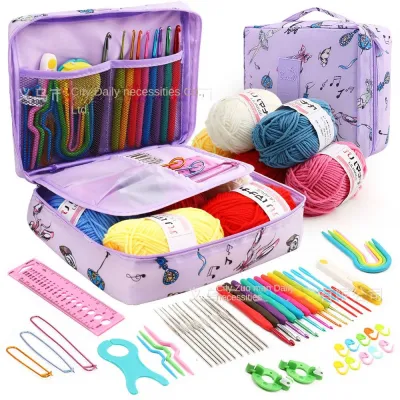
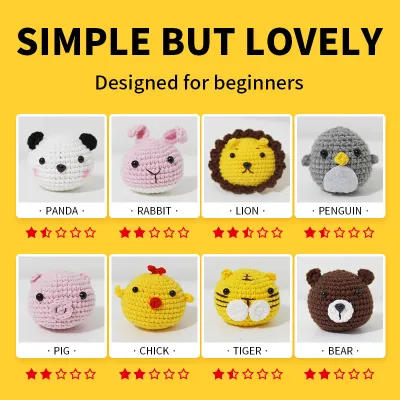
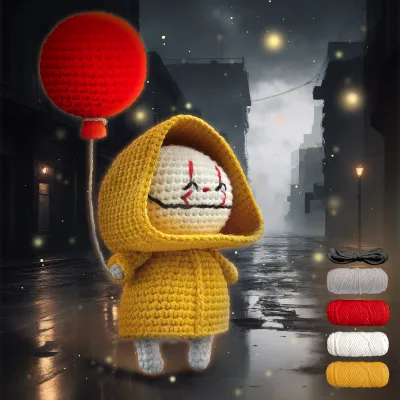
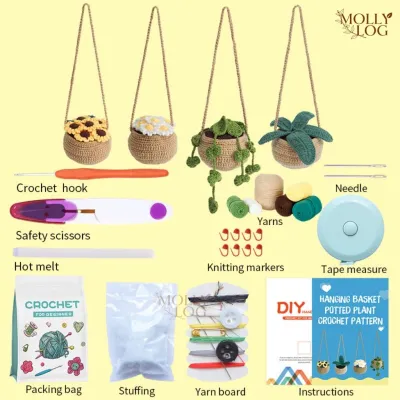
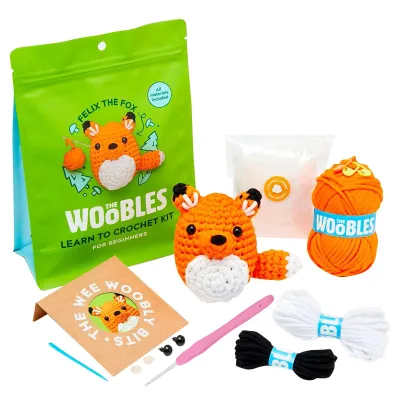
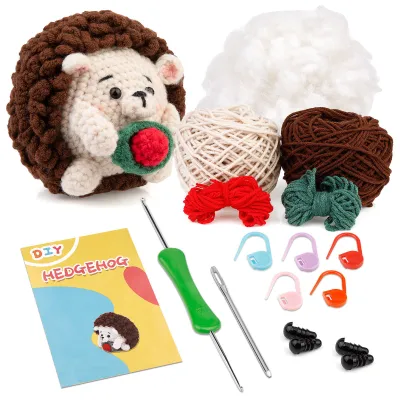
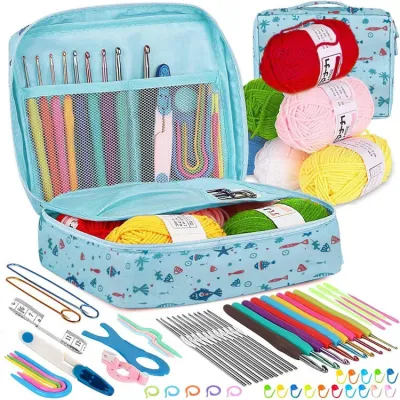
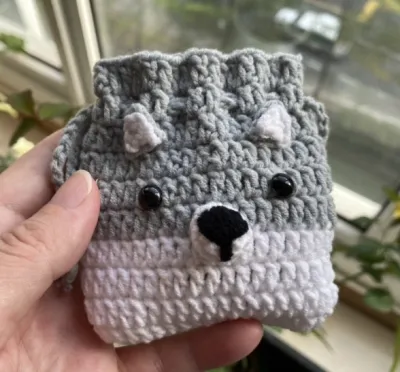
Prices are valid at publication and may change. Please refer to the product page for the latest price.
Beyond the hook itself, a starter kit must include a few essential accessories to help you complete a project from start to finish. Locking stitch markers are indispensable for marking the beginning of rounds or highlighting specific stitches where increases or decreases occur. Unlike split-ring markers, which can easily slip out of your work, locking markers snap shut like safety pins to stay securely in place. You will also need a blunt tapestry needle, sometimes called a yarn needle, which features a large eye to accommodate thick yarn. This tool is used to weave in loose ends securely once your project is finished. Finally, a pair of small, sharp scissors is necessary for clean cuts; dull blades can fray yarn fibers, making them difficult to thread through needles.
Storage and organization should not be overlooked when choosing a kit. A practical kit should come with a dedicated case or zippered pouch that keeps all your tools organized and protected. Look for cases with individual elastic loops for each hook and a secure, zippered compartment for smaller items like stitch markers and tapestry needles. Avoid kits that simply throw all the items loose into a flimsy plastic bag, as small accessories are easily lost, and unprotected hooks can become scratched or bent over time. A well-designed storage solution ensures that your tools remain in excellent condition and are always ready for your next crafting session.
Choosing the Right Yarn for Your First Projects
The yarn included in a beginner kit plays a major role in how easily you can learn to form and recognize stitches. For those just starting out, worsted weight (Medium 4) or Aran weight yarn is the industry standard. These medium-thickness yarns are exceptionally easy to handle, allowing you to see the structure of each loop clearly. Thinner yarns, such as fingering or sport weight, require precise finger control and can be difficult to see, while super-bulky yarns can be heavy and awkward for a novice to manipulate. Starting with a medium-weight yarn helps you build muscle memory quickly and accurately.

Fiber content is another critical factor that affects both the ease of crocheting and the final look of your project. Acrylic yarn is highly popular in beginner kits because it is inexpensive, widely available, and has a natural elasticity that makes it forgiving of uneven tension. It is also easy to unravel, or “frog,” when you make a mistake, allowing you to reuse the same yarn for multiple practice attempts. Alternatively, cotton-acrylic blends are highly favored for beginners because they offer excellent stitch definition and do not split easily. Pure cotton yarn, while offering great stitch clarity, lacks elasticity and can be tough on beginner hands, making a blend or high-quality acrylic the preferred choice for early learning.
Color selection is the final piece of the yarn puzzle. A good beginner kit should feature light, bright, solid colors such as cream, pastel blue, soft pink, or mint green. Dark colors like black, navy blue, and deep forest green absorb light and make it incredibly difficult to see where to insert your hook, leading to missed stitches and frustration. Similarly, highly variegated, multi-colored, or textured novelty yarns (such as boucle or eyelash yarn) should be avoided initially. These specialty yarns hide the structure of your stitches, making it nearly impossible to count your rows or identify mistakes.
Identifying Reliable Brands and Assessing Kit Value
When shopping for a crochet kit, distinguishing between established craft manufacturers and generic, white-label products is key to securing a quality set. Reputable craft brands invest heavily in quality control, ensuring that their hooks are perfectly smooth and their yarn is consistently spun. In contrast, generic kits mass-produced for online marketplaces often feature hooks with microscopic burrs, rough seams, or sharp edges. These manufacturing defects can catch on yarn fibers, causing them to split and fray as you work, which can ruin your project and make the learning process incredibly tedious.
To assess the quality of a kit before purchasing, pay close attention to user feedback regarding the finish of the tools. Look for reviews that specifically mention hook smoothness, handle durability, and whether the ergonomic grips slide off the metal shafts during use. A high-quality hook should have a perfectly polished throat and head, allowing the yarn to slide smoothly without any resistance. If multiple reviews mention that the hooks snag the yarn or that the plastic handles smell strongly of chemicals, it is best to look for an alternative option.
It is also important to evaluate the tool-to-filler ratio of the kit. Many low-cost kits advertise themselves as “100-piece sets” to create a false sense of high value. Upon closer inspection, these sets often contain only a few low-quality hooks and a small amount of yarn, with the remaining ninety-plus pieces consisting of cheap plastic safety pins, flimsy paper tape measures, and tiny plastic row counters that you may never use. A genuinely high-value kit prioritizes a small number of durable, essential tools over a mountain of useless novelty items. Look for kits that focus on providing five to eight well-made hooks, a generous amount of high-quality yarn, and only the most necessary accessories.
Purchasing Channels and Pre-Checkout Verification
Where you buy your crochet kit can influence your overall satisfaction and the level of customer support you receive. Specialized online craft retailers and official brand stores are generally the safest options, as they curate their inventory carefully and are more likely to stock genuine products from established manufacturers. These specialized stores also employ staff who understand the craft and can offer helpful advice if you encounter issues. While general e-commerce platforms offer convenience and competitive pricing, they also host many third-party sellers offering low-quality imitations, requiring a higher level of vigilance from the buyer.
Before clicking the checkout button, always cross-reference the detailed packing list against the promotional images. Sellers often use stylized photos that show completed stuffed animals, multiple balls of yarn, or extra tools that are not actually included in the basic purchase. Read the product description carefully to confirm the exact number of yarn skeins, hook sizes, and accessories included in the package. If the description is vague or does not explicitly list the contents, it is safer to choose a different product where the inventory is clearly defined.
Finally, take a moment to review the seller’s return policies and customer ratings. A reputable seller should offer a straightforward return or replacement policy in case your kit arrives with missing parts, a bent hook, or damaged yarn. Check the seller’s recent feedback to see how they handle customer complaints and whether they promptly resolve issues regarding defective items. Investing a few minutes in verifying these details before making your purchase can save you the hassle of dealing with a incomplete or defective kit.
Frequently Asked Questions (FAQ)
Do I need to buy extra tools if my starter kit lacks them?
If your starter kit is missing a few non-essential accessories, you do not need to purchase them immediately. The absolute essentials for day one are simply a correctly sized hook and a ball of yarn. Many other tools can be easily substituted with common household items while you are learning. For example, instead of buying commercial locking stitch markers, you can use safety pins, paperclips, or even a small scrap of contrasting yarn threaded through your stitch. A standard household ruler can easily replace a specialized knitting gauge, and any sharp pair of household scissors will work perfectly fine for cutting yarn. You can delay purchasing specialized tools like row counters, yarn bowls, or blocking boards until you are certain you want to commit to the craft long-term.
Can I use the yarn from a beginner kit for advanced projects later?
While the yarn included in beginner kits is excellent for learning the basics, it may not be suitable for more advanced or specialized projects later on. Starter yarn is typically basic acrylic or a standard cotton blend designed for durability, ease of use, and low cost. These utility yarns are perfect for practicing new stitch patterns, making small decorative items, or crafting simple amigurumi toys. However, they often lack the softness, drape, and breathability required for high-wear items like fitted garments, socks, or delicate lace shawls. As you progress to more complex projects, you will want to invest in premium fibers like merino wool, alpaca, or organic cotton, which offer superior texture and longevity. You can always use your leftover starter yarn to create gauge swatches or test out new techniques before cutting into your premium materials.
Community discussion
Share your experience or ask a question. Comments are reviewed before publication.