
The transition to Primary 1 is a major milestone for young learners, and gifting a thoughtfully curated stationery set is a practical way to celebrate this step. An ideal Primary 1 stationery set gift should focus on simple, durable, and school-approved tools that support fine motor development while minimizing classroom distractions. By prioritizing ergonomic designs, safety-certified materials, and essential items like thick wooden pencils and sturdy erasers, you can create a gift that is both highly functional and exciting for a child starting their primary school journey.
Core Essentials for a Primary 1 Stationery Set
Primary school classrooms have specific requirements for daily writing and drawing tasks. When assembling a stationery set gift, focusing on the core essentials ensures that every item in the package serves a practical purpose during lessons.
Standard wooden pencils remain the primary foundation of early writing. For a child entering Primary 1, look for pencils with triangular or slightly thicker barrels. These shapes naturally guide small fingers into a comfortable tripod grip, reducing hand fatigue as children learn to write letters and numbers. Standard round, thin pencils can easily slip, leading to tight, strained grips that hinder handwriting development.
Products mentioned in this guide
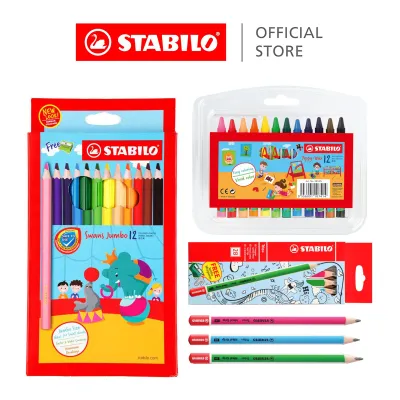
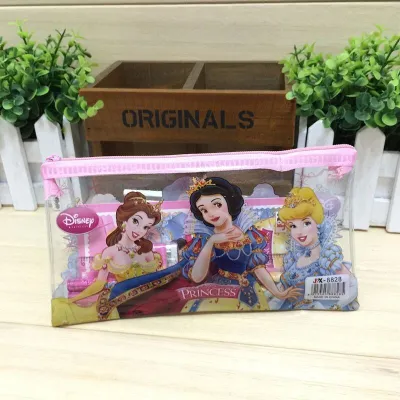
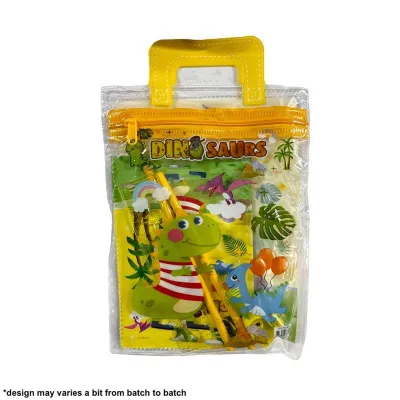
![[Wholesale] 7pcs Stationery set for children kids. Pencil Cartoon Notebook Goodie Bag Birthday party Childrens Day gift](https://img.lazcdn.com/g/p/f8e59a46e2750238fcf04bfc32135590.jpg_400x400q80.jpg_.webp)
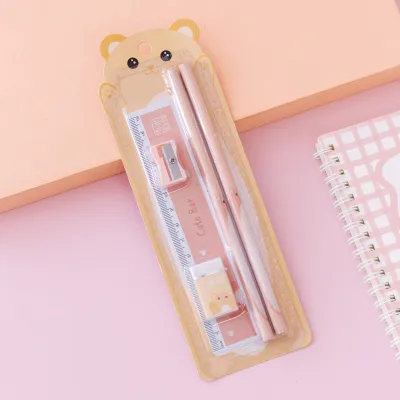
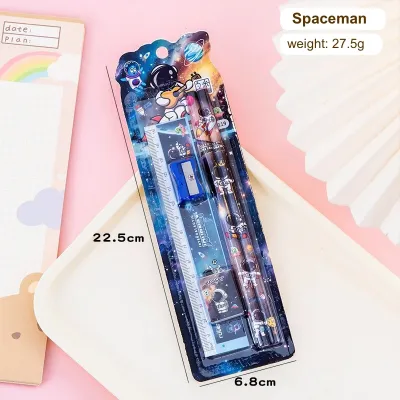
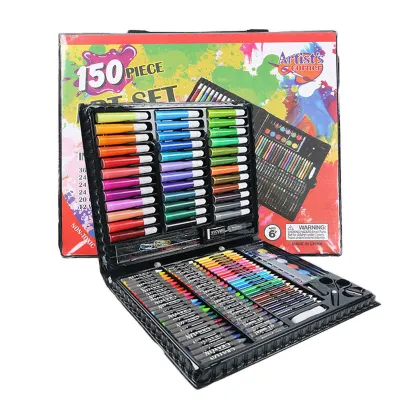
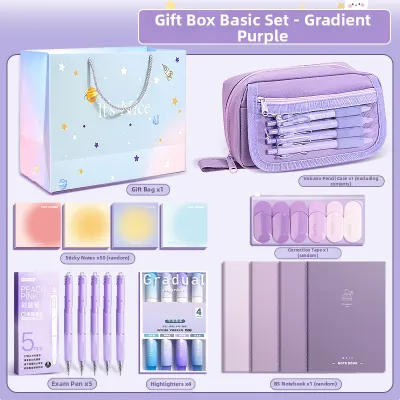
Prices are valid at publication and may change. Please refer to the product page for the latest price.
Erasers are just as critical as the pencils themselves. A reliable, non-smudging eraser allows a child to correct mistakes cleanly without tearing the paper. Opt for larger, block-shaped erasers rather than tiny novelty shapes. Large erasers are easier for small hands to hold and control, and they carry a much lower risk of being a choking hazard. Look for dust-free options that roll residue into single strands, making classroom cleanup quick and simple.
A clear, unbreakable 15cm ruler is another indispensable tool. At this stage, children are learning basic measurement and how to draw straight lines. A 15cm ruler fits perfectly inside standard pencil cases and is much easier for a young child to manipulate than a long 30cm version. Ensure the ruler features clear, easy-to-read markings with a single scale (centimetres) to avoid confusing a child who is still mastering basic numbers.
The pencil pouch itself holds the entire set together. A durable, fabric-based pencil pouch with a single, smooth zipper is highly recommended over hard plastic boxes or multi-compartment cases. Single-compartment pouches make it easy for a child to find what they need quickly without rummaging through multiple layers. Avoid cases with built-in toys, buttons, or spring-loaded compartments, as these frequently become distractions during quiet study times.
Ergonomic and Safety Checks for Young Learners
Selecting stationery for six- and seven-year-olds requires careful attention to physical safety and ergonomic support. Children at this age are still developing their fine motor skills, meaning the physical design of their tools directly impacts their learning experience.

Always check product packaging for recognized non-toxic certifications before purchasing. Look for labels indicating compliance with safety standards such as the AP (Approved Product) seal or European EN71 standards. These certifications verify that the paints, plastics, and adhesives used in the stationery do not contain harmful levels of heavy metals or toxic chemicals, which is vital since young children often put pencils or fingers in their mouths.
Ergonomic grips should be a priority across all writing and cutting tools. For pencils and crayons, triangular shapes or soft rubber grip attachments help position fingers correctly. If you decide to include scissors in the set, choose child-safe, blunt-tip scissors with asymmetrical finger loops. These loops are designed to fit the natural size difference between a child’s thumb and fingers, providing better control and reducing the risk of accidental slips.
Avoid items with small, detachable parts, such as tiny decorative eraser toppers or removable pencil caps shaped like toys. These parts can easily be lost, swallowed, or stuffed into ears and noses. Additionally, keep the overall weight of the stationery set light. Heavy metal cases or overly bulky items can strain a child’s hands and add unnecessary weight to their school bag, which is already loaded with textbooks and files.
Washability is another key factor for coloring tools and adhesives. When selecting markers, colored pencils, or glue sticks, verify that the labels explicitly state “washable.” Washable inks and glues dissolve easily in warm water, ensuring that accidental marks on school uniforms, desks, or skin can be cleaned without harsh scrubbing or chemical solvents.
What to Exclude from a Primary 1 Gift Set
While it can be tempting to fill a gift set with advanced or highly decorated items, many common stationery products are unsuitable for Primary 1 students. Some of these items can hinder learning, while others are outright banned by many primary schools.
Mechanical pencils, fountain pens, and multi-color click pens should be left out of the set. Mechanical pencils require a delicate touch; young writers often press down too hard, constantly snapping the thin lead and causing frustration. Fountain pens are far too complex and messy for beginners, while multi-color pens encourage clicking noises and distraction rather than focused writing. Stick to traditional wooden pencils that allow children to feel the feedback of the paper.
Overly flashy, toy-like, or noisy stationery should also be avoided. Pencil cases with built-in games, flashing lights, or sound effects have no place in a classroom. These items distract not only the recipient but also neighboring classmates, often leading teachers to confiscate them. A simple, elegant design is highly practical for school hours.
Sharp craft tools must be excluded entirely. Utility knives, standard pointed scissors, and strong solvent-based adhesives pose significant safety risks for young children. Primary school art classes are carefully supervised, and any specialized cutting tools are typically provided by the school. For a personal stationery set, stick to blunt-tip safety scissors and simple, non-toxic glue sticks.
Finally, omit correction fluid and correction tape from the gift set. Most primary school teachers explicitly forbid the use of correction tape or fluid in the early grades. Children are encouraged to cross out mistakes neatly or use a pencil eraser, which allows teachers to see their learning process and identify areas where they might need extra help.
Personalizing and Packaging the Stationery Gift
A practical gift can still feel incredibly exciting and personal. With a few thoughtful touches, you can transform a collection of school supplies into a memorable keepsake that builds anticipation for the first day of school.
Consider adding a sheet of pre-printed, durable name labels to the set. In a busy Primary 1 classroom, identical pencils, rulers, and erasers frequently get mixed up or lost. Waterproof name labels that can be wrapped around pencils and stuck onto pencil cases help ensure that misplaced items find their way back to their owner. You can customize these labels with the child’s name in a clear, easy-to-read font.
Instead of disposable plastic packaging, house the stationery in a sturdy, reusable storage box or a classic metal tin. A durable container serves a dual purpose: it keeps the gift organized when presented and can later be used at home to store spare stationery, art supplies, or small treasures. A tin with a simple latch or slip-on lid is easy for a child to manage independently.
To make the gift feel even more special, include a small, age-appropriate reading book or a personalized encouragement card. A short storybook with colorful illustrations can spark a love for reading, while a handwritten card offering words of encouragement for their new school journey adds a warm, personal touch that a child can look back on.
When wrapping the gift, ensure the packaging is easy for a child to open. Avoid excessive layers of plastic wrap, tight zip-ties, or heavy-duty tape that require adult assistance or scissors to remove. Allowing the child to open the gift independently builds a sense of ownership and excitement as they explore their new school tools for the very first time.
Frequently Asked Questions (FAQ)
Are pre-sharpened pencils better for a Primary 1 stationery gift?
Yes, including pre-sharpened pencils in a gift set is highly recommended. Pre-sharpened pencils allow the child to use their new tools immediately, which enhances the excitement of receiving the gift. It also ensures that the initial tip is cut to a safe, consistent writing angle. If you choose to include unsharpened pencils, be sure to add a safe, enclosed-blade pencil sharpener that features a secure shavings catcher to prevent messy spills in the classroom.
Should I include a water bottle or lunch box in the stationery set?
It is generally best to keep the stationery set focused entirely on desk tools to maintain a cohesive and manageable gift. While water bottles and lunch boxes are essential school items, they often depend heavily on personal preferences, school bag sizes, and specific dietary habits. If you wish to gift these items, present them as a separate, complementary package rather than crowding them into the stationery container.
Community discussion
Share your experience or ask a question. Comments are reviewed before publication.