
Selecting the right packing box size is the foundation of a successful house move. Using the wrong box size can lead to damaged belongings, physical strain, or inefficient loading in the moving vehicle. By matching your household items to the correct box dimensions and structural strengths, you protect your valuables and make the entire moving process significantly smoother.
In urban environments like Singapore, where moves often involve navigating high-rise condominium lifts, narrow HDB corridors, and humid weather, choosing the correct box size is even more critical. Properly sized and packed boxes stack neatly on trolleys, fit securely in service lifts, and withstand the tropical humidity without collapsing.
The Golden Rule of Moving Boxes: Weight vs. Volume
The fundamental rule of packing is simple: the heavier the item, the smaller the box it requires. Conversely, large boxes should be reserved exclusively for lightweight, bulky items. This inverse relationship prevents boxes from becoming too heavy to lift safely and protects the structural integrity of the cardboard.
Products mentioned in this guide
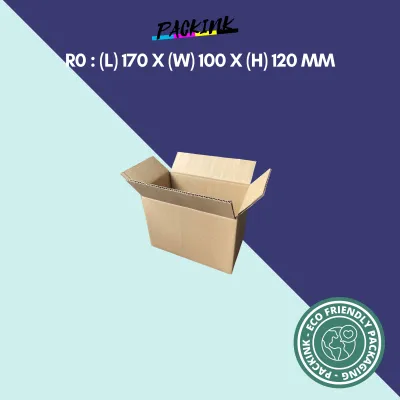
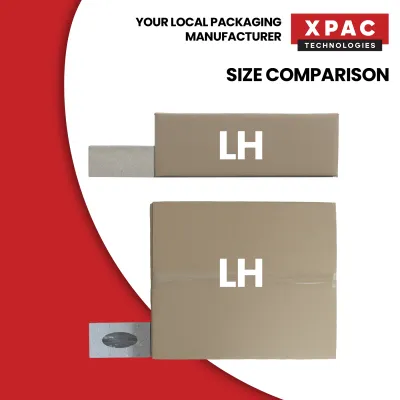
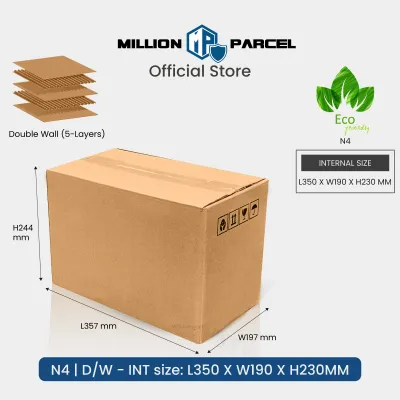
Prices are valid at publication and may change. Please refer to the product page for the latest price.
When a large box is filled with heavy items like books or hand weights, the bottom is highly likely to rupture during transport. Even if the box holds, lifting it poses a significant risk of back strain or injury. For safe handling, a fully packed box should ideally not exceed what a single person can comfortably lift.
Before sealing any box, perform a quick lift test to verify its weight. Bend your knees, grasp the box from the bottom, and lift it a few centimeters off the floor. If you feel any strain in your back, or if the cardboard begins to bow or sag, redistribute the contents immediately into smaller containers.
Matching Box Sizes to Specific Household Categories
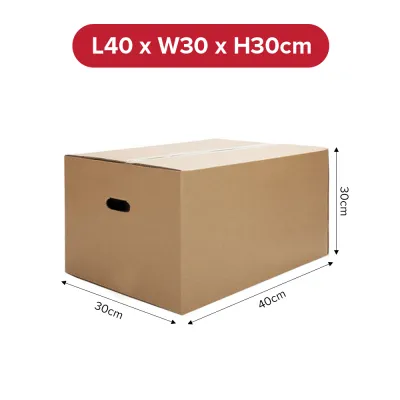
Small boxes (typically around 30 x 30 x 30 cm to 40 x 30 x 30 cm) are the workhorses for dense, heavy items. Books, magazines, files, canned pantry goods, heavy kitchen utensils, and compact electronics belong here. Packing these items in small containers keeps the weight concentrated and manageable.

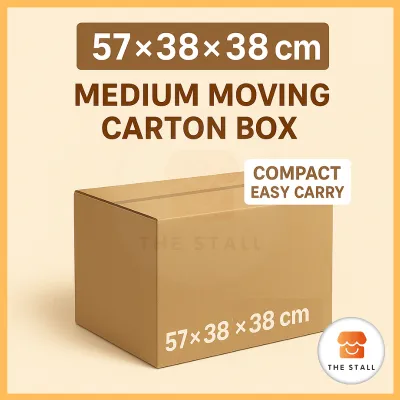
Medium boxes (roughly 45 x 40 x 40 cm) offer the most versatility for a household move. They are ideal for items that have moderate weight and volume. Use them for shoes, toys, small kitchen appliances like blenders or kettles, folded clothing, and non-fragile home decor.
Large boxes (around 50 x 50 x 50 cm or larger) are designed for high-volume, low-weight items. Bedding, pillows, duvets, cushions, lightweight jackets, and large plastic toys are perfect candidates. Never pack books or heavy kitchenware in these boxes, as they will quickly become unmovable and structurally unstable.
Specialty boxes serve specific protective functions for items that do not fit standard dimensions. Wardrobe boxes feature a metal hanging bar, allowing you to transfer clothes directly from your closet on their hangers, preventing wrinkles and saving packing time. Heavy-duty dish-pack boxes feature double-walled cardboard and customizable cardboard dividers, providing essential shock absorption for fragile glassware, porcelain plates, and delicate crystal.
How to Verify Box Strength and Quality Before Packing
Before packing your valuable belongings, take a moment to inspect the quality of your cartons. Cardboard boxes are not all manufactured to the same standards. Look for the circular manufacturer’s stamp printed on the bottom flaps of the box, which indicates its strength rating.
This stamp often shows the Edge Crush Test (ECT) or Bursting Test rating. An ECT rating measures the box’s stacking strength, with a standard rating of 32 ECT being suitable for most light to medium household items. For heavier loads or fragile items, look for a rating of 44 ECT or higher to ensure the box does not crush under pressure.
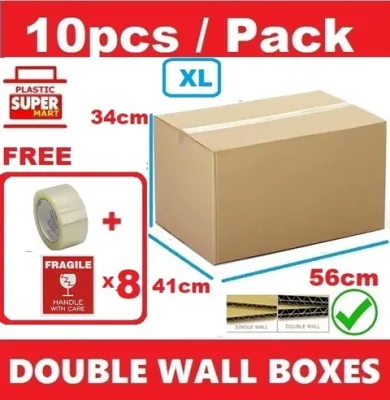
Additionally, pay attention to the wall construction of the cardboard. Single-wall boxes consist of one layer of corrugated fluting sandwiched between two flat linerboards, which is sufficient for general packing. Double-wall boxes feature two layers of fluting, offering significantly higher resistance to crushing and punctures, making them ideal for heavy electronics, kitchen appliances, and fragile items.
If you are using second-hand or reused boxes, inspect them closely for structural wear. Avoid boxes with soft spots, deep creases, crushed corners, or signs of moisture exposure. In humid climates, cardboard can absorb atmospheric moisture over time, which drastically reduces its structural integrity and load-bearing capacity.
Packing Strategies to Maximize Space and Prevent Damage
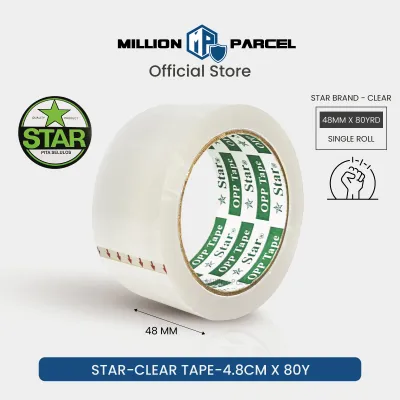
Choosing the right box size is only half the battle; how you pack the interior determines whether your items arrive intact. Always start by reinforcing the bottom of the box with high-quality packaging tape. Use the H-tape method: apply tape along the center seam, and then apply tape along the two perpendicular side edges to seal all open seams completely.
When placing items inside, distribute the weight evenly across the bottom. Place the heaviest items at the bottom of the box to establish a stable base, and place lighter items on top. Fill any remaining empty spaces with void-fill materials such as crumpled packing paper, bubble wrap, or even clean towels and linens to prevent items from shifting and colliding during transit.
Avoid overpacking boxes to the point where the top or sides bulge, as this prevents them from stacking flat in the moving truck. Conversely, underpacking leaves empty space at the top, which can cause the box to collapse when another box is stacked on top of it. Aim to fill the box completely to the brim, using packing paper to top off any minor gaps.
Common Sizing Mistakes to Avoid During a Move
One of the most common moving mistakes is purchasing a single, uniform box size for the entire household. While this might seem convenient, it leads to highly inefficient packing. You will inevitably end up with large boxes packed with heavy items that are impossible to lift, or small boxes stuffed with bulky items that do not fit properly.
Another frequent error is overestimating the strength of large boxes. Filling a large carton to the top with books or heavy kitchenware is a recipe for a bottom blowout, potentially shattering your belongings on the pavement or staircase during transit.
Finally, leaving excessive empty space inside boxes is a major hazard. When boxes are stacked inside a moving truck, those with empty space inside will easily buckle under the weight of the boxes above them, leading to a domino effect of collapsed stacks and damaged goods.
Frequently Asked Questions (FAQ)
Can I use heavy-duty bags instead of boxes for clothes and bedding?
Yes, heavy-duty plastic bags or zippered fabric moving bags are excellent alternatives for soft, non-fragile items like clothing, blankets, and pillows. They are flexible, water-resistant, and can be squeezed into tight spaces in the moving vehicle. However, they offer absolutely no structural protection. Never use them for fragile items, books, or electronics, as these items will easily be crushed or damaged.
How do I know if a reused box is still safe for moving heavy items?
To verify if a reused box is safe, perform a quick physical inspection. Press firmly against the sides of the box; if the cardboard feels soft, spongy, or bends easily under light pressure, do not use it for heavy items. Check the corners for crushing and ensure the bottom flaps are completely dry and free of oil stains or tears. If the box has lost its rigid shape, relegate it to holding lightweight, non-breakable items like plush toys or bedding.
Community discussion
Share your experience or ask a question. Comments are reviewed before publication.