
Selecting the right carton storage box is a balance between the physical size of your items and their total weight. Packing a large box with heavy items makes it difficult to lift and increases the risk of the bottom bursting open. Conversely, using small boxes for light, voluminous items leads to inefficient storage. To organize your home, office, or storage unit efficiently, you must match the density of your belongings to the structural limits of the cardboard.
Understanding Carton Dimensions and Weight Limits
When shopping for a carton storage box, always distinguish between external and internal dimensions. External dimensions are critical for planning shelf space, but they do not represent the actual packing space. The thickness of the corrugated cardboard walls reduces the internal usable space, sometimes by up to a centimeter or more in heavy-duty double-wall boxes.
It is a common mistake to assume that a larger box can carry more weight. In packaging design, maximum weight capacity is determined by the material grade and the corrugated fluting pattern, not the physical volume. A small, heavy-duty box can often support significantly more weight than a large, standard-grade box.
Products mentioned in this guide
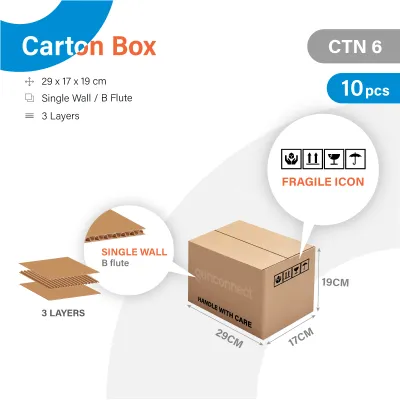
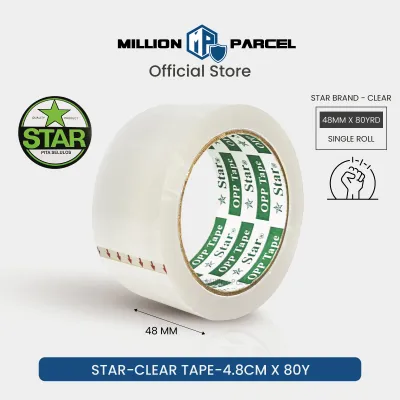
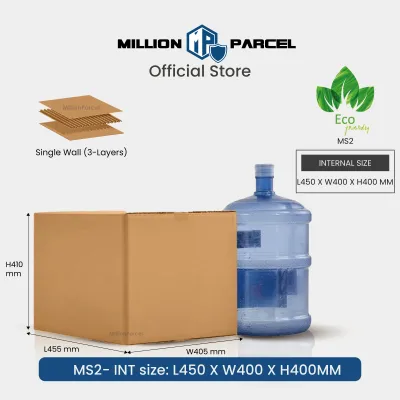
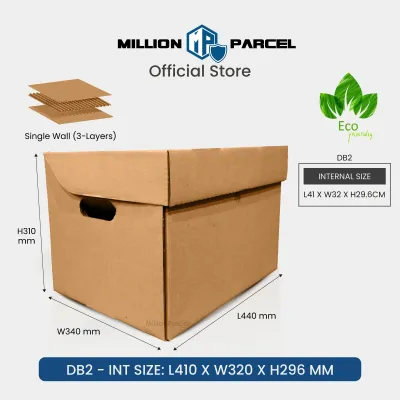
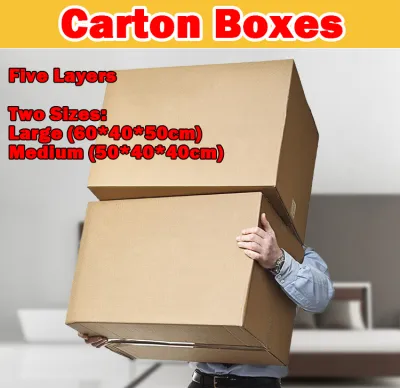
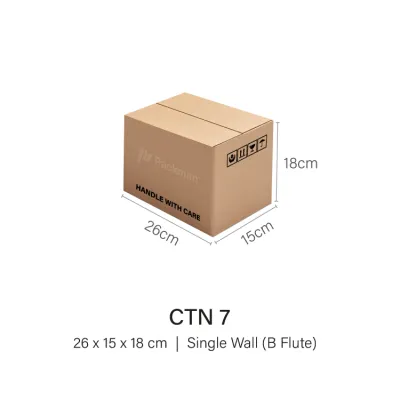
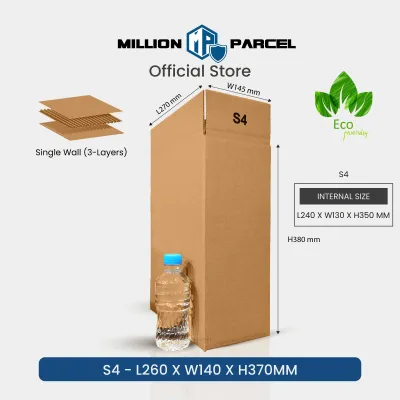
Prices are valid at publication and may change. Please refer to the product page for the latest price.
Before loading any carton, locate the manufacturer’s stamp or structural label, usually printed on the bottom flaps. This circular stamp, often called the Box Maker’s Certificate, lists key specifications such as the gross weight limit. Verifying these details ensures you do not exceed the structural capacity of the cardboard during transport or long-term stacking.
Matching Carton Dimensions to Item Types
The golden rule of packing is simple: the denser the item, the smaller the box should be. High-density items like books, documents, and ceramic kitchenware should always go into smaller cartons. Low-density, lightweight items like pillows, winter clothing, and bedding are best suited for larger cartons.

To validate whether a chosen box size is safe, estimate the total weight of the loaded carton before you begin packing. You can do this by weighing a few sample items on a household scale and multiplying by the estimated capacity of the box. If the projected weight feels difficult to lift comfortably, distribute the items across multiple smaller boxes instead.
Small Cartons for Heavy, High-Density Items
Small cartons, typically measuring around 30 to 40 centimeters on their longest side, are the safest choice for heavy, high-density items. Storing dense objects like books, files, and heavy kitchen tools in small boxes prevents the bottom from sagging and failing. It also keeps the overall weight of each box manageable, reducing the risk of back injuries during lifting.
When preparing small cartons for heavy loads, inspect the bottom seams carefully. Ensure the flaps meet evenly and are sealed with high-quality packaging tape applied in an “H” pattern across the center seam and side edges. Check that the cardboard feels rigid and does not bend easily under hand pressure, which indicates sufficient material thickness.
Medium Cartons for Mixed Everyday Belongings
Medium cartons, generally ranging from 40 to 50 centimeters in length, serve as the versatile workhorses of storage and moving. They offer a balanced compromise between volume and weight, making them ideal for everyday household goods, clothing, shoes, and toys. These boxes are large enough to hold multiple items but small enough to prevent the total weight from becoming excessive.
When packing a medium carton with mixed items, place the heaviest objects at the bottom to maintain a low center of gravity. Fill any remaining empty spaces with lightweight void fill, such as crumpled packing paper or bubble wrap, to prevent items from shifting. Shifting contents can cause uneven weight distribution, making the box unstable when stacked.
Large Cartons for Bulky, Low-Density Items
Large cartons, measuring 50 centimeters or more on their longest side, should be reserved strictly for bulky, low-density items. Bedding, pillows, cushions, winter coats, and lightweight plastic toys are perfect candidates for these spacious boxes. Because these items have very little weight relative to their volume, they fill the box without overloading its structural capacity.
Never pack heavy items into large cartons, as this leads to severe structural deformation and makes the box nearly impossible to carry safely. Additionally, consider your stacking plan: large, lightweight boxes should always be placed at the top of a stack. Placing a large, soft-filled box at the bottom of a pile will cause it to crush under the weight of smaller, denser boxes, potentially tipping the entire stack over.
Key Material Specifications to Check Before Buying
Understanding the difference between single-wall and double-wall corrugated board is essential for selecting the right carton. Single-wall boxes consist of one layer of fluted paper sandwiched between two flat linerboards, which is sufficient for light to medium everyday storage. Double-wall boxes feature two layers of fluting and three flat liners, providing significantly higher puncture resistance and stacking strength for heavy or fragile items.
When comparing boxes, look for technical ratings like the Edge Crush Test (ECT) or bursting strength. The ECT rating measures how much vertical crushing force a box can withstand before collapsing, which is crucial if you plan to stack boxes high in a Singapore home storeroom or self-storage unit. Bursting strength, on the other hand, measures the force required to rupture the face of the cardboard, indicating how well the box resists punctures from sharp objects inside.
Be cautious of generic marketing terms like “heavy-duty” or “extra-strong,” as these labels are not standardized. Instead, verify the actual material thickness and the flute profile—such as A, B, or C flutes—listed in the product specifications. Checking these physical details ensures you are paying for genuine structural durability.
Frequently Asked Questions (FAQ)
Can I use one large carton size for all my items?
Using a single large carton size for all your belongings is highly discouraged due to structural and safety risks. Concentrating heavy items like books or kitchenware in a large box makes it dangerously heavy, leading to base failure and potential injury during lifting. A safer strategy is to sort your items by weight and volume, using small boxes for heavy goods and reserving large boxes exclusively for light, bulky items.
How do I measure irregular items to ensure they fit the carton?
To measure an irregular item, identify its maximum dimensions by measuring the longest, widest, and highest points of the object as if it were enclosed in a rectangular block. Once you have these three measurements, add at least 5 centimeters of clearance to each dimension. This extra space is necessary to accommodate protective wrapping, such as bubble wrap or foam corners, and to allow room for void fill to cushion the item against impacts.
Community discussion
Share your experience or ask a question. Comments are reviewed before publication.