
To choose the right bubble wrap roll for packing and moving house, you must match the roll’s width and length to the specific items you are transporting and the overall size of your home. For a typical standard move, such as a 3-room HDB flat in Singapore, you will generally need at least one 30-meter to 50-meter roll of medium-width bubble wrap (around 50 cm wide) to handle kitchenware, electronics, and fragile decor. If you are wrapping larger furniture, mattresses, or large flat-screen televisions, you will also require a wider roll of 100 cm to 150 cm to ensure complete coverage without weak seams.
By understanding how these dimensions coordinate with your household inventory, you can prevent both costly mid-move shortages and unnecessary material waste. This guide breaks down exactly how to calculate your roll requirements based on item categories, home sizes, and bubble specifications so you can secure your belongings efficiently.
Understanding Bubble Wrap Roll Dimensions
When shopping for a bubble wrap roll, you will encounter two primary measurements: width and length. These dimensions serve entirely different purposes in your packing strategy, and selecting the wrong combination can lead to frustrating delays or inefficient wrapping.
Products mentioned in this guide
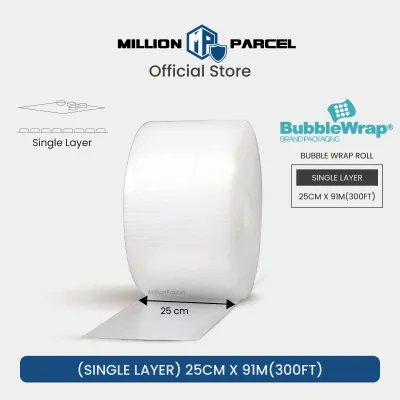
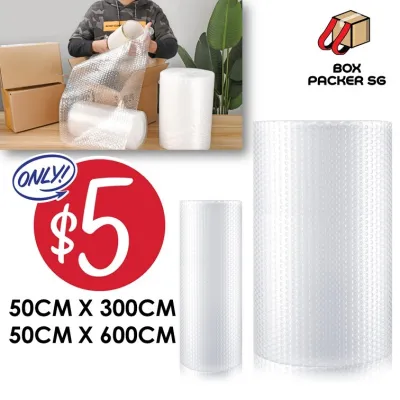
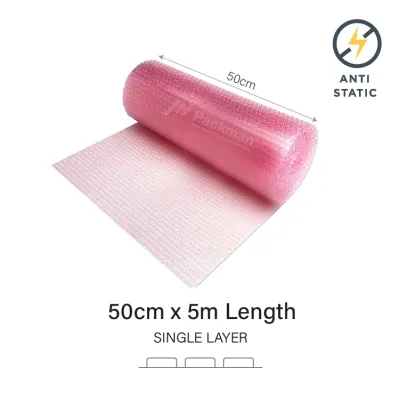
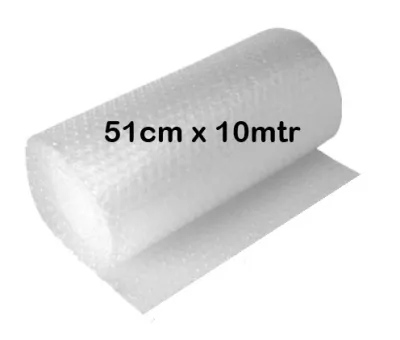
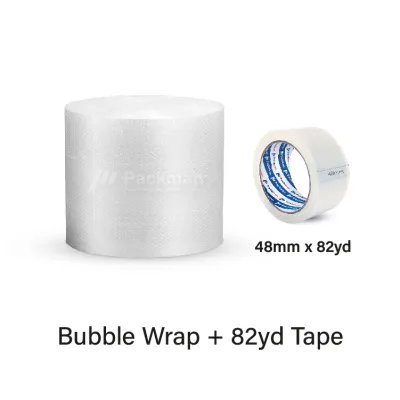
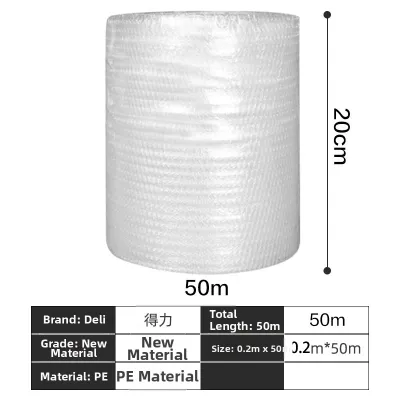
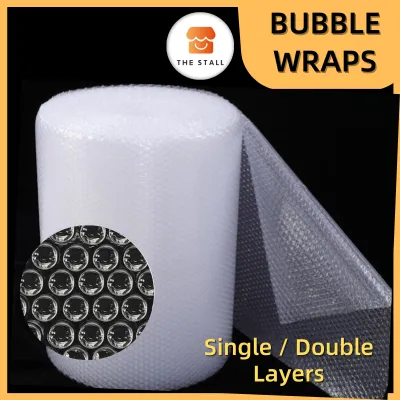
Prices are valid at publication and may change. Please refer to the product page for the latest price.
Roll Width determines the maximum size of an item you can wrap in a single, continuous pass. If a roll is too narrow for a large object, you will have to tape multiple sheets together to cover it. This not only wastes valuable packing tape but also creates structural seams that are highly vulnerable to tearing or slipping during transit. Conversely, using an excessively wide roll for tiny items makes the wrapping process clumsy, leading to bulky, uneven bundles that are difficult to pack tightly into moving boxes.
Roll Length represents the total linear coverage of the material and dictates how many items you can pack before running out. Length requirements scale with the volume of fragile items rather than just the physical size of your home. For example, a minimalist living in a large space may require less wrap than a collector with floor-to-ceiling shelving in a small studio.
To establish a baseline before purchasing, always identify and measure your largest, most fragile items first. This step defines your minimum width requirement. Once you know the maximum width needed for your bulky belongings, you can estimate the total linear length required to wrap your entire inventory.
Choosing the Right Width Based on Item Types
Using a single roll width for every item in your home is rarely practical. Professional movers typically utilize a combination of narrow and wide rolls to streamline the packing process and ensure every item receives the correct level of protection.

Small to Medium Items (Kitchenware, Decor, Electronics)
For everyday household items, narrower rolls ranging from 30 cm to 50 cm in width are the most practical choice. This size category is highly versatile and covers the vast majority of fragile items found in typical living spaces.
- Kitchenware and Tableware: Plates, bowls, mugs, wine glasses, and ceramic baking dishes.
- Small Electronics: Laptops, gaming consoles, routers, and desktop accessories.
- Home Decor: Picture frames, small vases, ornamental figurines, and table clocks.
Narrower rolls are lightweight and easy to hold in one hand while wrapping with the other. This maneuverability is essential when navigating tight corners on delicate objects or wrapping intricate items like stemware. Using a 30 cm roll for a ceramic mug means you can wrap it quickly with minimal cutting, reducing material waste and keeping your packing momentum high.
Large Items and Furniture (Appliances, Mattresses, Mirrors)
When dealing with bulky, oversized, or unusually shaped items, you should transition to wider rolls measuring 100 cm to 150 cm. Attempting to wrap large objects with narrow wrap is highly inefficient and compromises safety.
- Large Appliances: Microwave ovens, air fryers, washing machines, and stand mixers.
- Furniture and Decor: Large wall mirrors, framed artwork, tabletops, headboards, and disassembled wooden furniture legs.
- Delicate Displays: Flat-screen televisions and computer monitors.
Wider rolls allow you to cover these expansive surfaces in a single, seamless pass. Wrapping a large mirror or television with a 100 cm wide roll ensures there are no weak seams across the screen or glass surface. This seamless coverage distributes impact forces evenly if the item is bumped during transit. Furthermore, eliminating the need to tape multiple strips together significantly speeds up your packing timeline, allowing you to secure large furniture pieces in a fraction of the time.
Estimating Roll Length for Your Moving Volume
Estimating the total length of bubble wrap required can be challenging, as packing density varies wildly between households. In Singapore, where residential spaces range from compact studio apartments to multi-story landed properties, matching your roll length to your specific floor plan and lifestyle is the most reliable approach.
Light Moves (Single Room or Studio)
For renters, students, or individuals moving out of a single room or a compact studio apartment, a short bubble wrap roll of 10 meters to 20 meters is generally sufficient. These moves typically involve minimal furniture and a limited number of fragile personal belongings.
A single 15-meter roll easily provides enough material to wrap a standard set of kitchenware (a few plates, bowls, and mugs), a laptop, a desk lamp, and a handful of framed photos. Because these moves rely on fewer boxes, you will not need massive amounts of excess wrap to fill empty spaces within your cartons. Opting for a shorter roll keeps your moving expenses low and prevents you from having to store bulky leftover rolls in your new, compact home.
Standard Moves (2 to 3-Room HDB or Condo)
For a standard household move, such as a 2-room or 3-room HDB flat or a mid-sized condominium unit, you should look for medium to long rolls ranging from 30 meters to 50 meters. This volume of space typically houses a complete kitchen, a living area, and at least one fully furnished bedroom.
A 30-meter to 50-meter roll provides the necessary coverage for a comprehensive collection of kitchen glassware, dining sets, small home appliances, and living room decor. If you have an extensive home office setup with multiple monitors, external hard drives, and delicate peripheral devices, or if you collect fine china and glassware, you should lean toward the higher end of this range (50 meters). Having this extra length ensures you do not feel pressured to skimp on layers as you reach the end of your packing process.
Large Moves (4-Room HDB, Landed Properties)
For large-scale moves involving a 4-room or 5-room HDB flat, a spacious executive condominium, or a landed property, you will require bulk or extra-long rolls measuring 50 meters to 100 meters, or even multiple rolls of this size.
Large family homes naturally accumulate a high volume of fragile items, including multi-piece dinnerware sets, extensive home entertainment systems, delicate children’s toys, and valuable decorative pieces. Additionally, these moves often involve wrapping larger furniture items to protect polished wood, glass panels, or delicate upholstery from scratches and dust during transit. Purchasing a 100-meter bulk roll is highly cost-effective in these scenarios. Buying in bulk typically offers a much lower cost per meter compared to purchasing several smaller rolls, and it completely eliminates the stress of running out of packing materials in the middle of a busy moving day.
Bubble Size Matters: Small vs. Large Bubbles
When purchasing a bubble wrap roll, you must select the appropriate bubble size, which refers to the diameter and height of the individual air pockets. This specification is just as critical as the roll’s physical dimensions, as different bubble sizes are engineered for distinct protective tasks.
Small Bubbles (typically 10 mm in diameter and 3 mm to 4 mm in height) are designed primarily for surface protection, scratch prevention, and wrapping lightweight, highly fragile items. The dense network of small air pockets conforms closely to irregular shapes, making it perfect for wrapping delicate glassware, ceramic figurines, cosmetics, and small electronic components. Small bubble wrap creates a snug, low-profile layer that fits easily into standard moving boxes without adding excessive bulk.
Large Bubbles (typically 20 mm to 30 mm in diameter and 10 mm to 12 mm in height) are engineered for heavy-duty shock absorption, cushioning, and void filling. The larger volume of air in each pocket provides a robust cushion that can withstand significant impact forces. This makes large bubble wrap the ideal choice for wrapping heavy appliances, large mirrors, tabletop glass, and furniture corners. It is also highly effective for filling empty spaces inside large moving boxes to prevent items from shifting during transport.
Before finalizing your order, always check the product specifications on the label or online listing. Roll dimensions (width and length) do not indicate bubble size, and using small bubbles on a heavy piece of furniture will result in the air pockets popping under the weight, leaving your item unprotected. Conversely, wrapping a delicate wine glass in large bubble wrap is clumsy and often leaves gaps where the glass can easily crack.
Practical Packing Tips for Maximum Protection
To maximize the protective qualities of your bubble wrap roll, you must apply it correctly. Even the highest-quality bubble wrap can fail to protect your belongings if it is used improperly or secured poorly.
- Orient the Bubbles Inward: Always wrap your items with the bubbles facing inward, directly touching the surface of the object. The flat backing of the plastic sheet should face outward. This orientation allows the individual air pockets to cradle the item directly, absorbing shocks at the point of contact. It also provides a smooth, flat outer surface that is much easier to tape securely.
- Protect Delicate Surfaces from Tape: Use high-quality packing tape to secure the wrap, but never apply adhesive tape directly onto delicate surfaces. Tape residue can ruin polished wooden furniture, peel paint from frames, or damage the anti-glare coatings on television and computer screens. Instead, wrap the item completely in bubble wrap and tape the plastic to itself.
- Double-Wrap and Fill Voids: For exceptionally fragile items, such as crystal glassware or porcelain heirlooms, apply at least two layers of small bubble wrap. Once wrapped, place the items in a sturdy moving box. Use crumpled bubble wrap, packing paper, or leftover scraps to fill any empty spaces (voids) within the box. If you shake the box gently and feel items shifting, add more void fill until everything remains securely in place.
- Check Manufacturer Instructions: Before wrapping specialized electronics, leather goods, or high-value artwork, check the manufacturer's care instructions. Some materials require a breathable layer, such as acid-free packing paper, before being wrapped in plastic bubble wrap to prevent moisture entrapment, especially in warm, humid climates.
Frequently Asked Questions (FAQ)
Can I reuse bubble wrap from previous online deliveries?
Yes, you can reuse bubble wrap from previous online deliveries, provided you inspect it carefully first. Check that the individual air bubbles are still fully inflated, clean, and dry. If a significant portion of the bubbles has popped, or if the plastic is heavily creased, stretched, or soiled, do not use it to protect fragile or high-value items. Flattened bubble wrap loses its shock-absorbing capacity and will not provide adequate protection. You can, however, save degraded wrap to use as light void fill for non-fragile items.
Should I buy pre-cut bubble wrap sheets or a continuous roll?
For a household move, a continuous bubble wrap roll is almost always the superior choice. Continuous rolls offer complete flexibility, allowing you to cut custom lengths tailored exactly to the unique shapes and sizes of your belongings, from tiny ornaments to large televisions. This flexibility minimizes material waste and is highly cost-effective for packing a whole house. Pre-cut sheets are only recommended if you are packing a large volume of uniform, small items of identical size, such as a large collection of standard-sized plates, where the convenience of pre-cut sheets can speed up the packing process.
Community discussion
Share your experience or ask a question. Comments are reviewed before publication.