
Indian cotton fabric is celebrated worldwide for its rich heritage, exceptional breathability, and remarkable tactile variety. Unlike mass-produced synthetic alternatives, this natural textile offers a unique combination of comfort and artisanal craftsmanship that makes it highly sought after by sewing enthusiasts, crafters, and designers alike. Understanding what sets it apart involves looking closely at its fiber characteristics, traditional weaving techniques, and how it performs compared to other global cotton varieties.
Selecting the right fabric for your project requires more than just identifying its country of origin. By learning how to evaluate the weave, weight, and dye stability of these textiles, you can ensure your finished garments or crafts look beautiful and stand up to regular wear. Whether you are sewing lightweight summer apparel or structured home accessories, understanding these material foundations will help you make an informed purchase.
Defining Characteristics of Indian Cotton Fibers
Indian cotton utilizes a diverse range of cotton species, including indigenous varieties that produce short-to-medium staple fibers, alongside long-staple varieties. Short and medium staples create a slightly textured yarn that excels in moisture absorption. This natural texture gives the resulting fabric a characteristic breathing quality, allowing air to circulate freely and making it incredibly comfortable to wear in hot, humid climates like Singapore.
Products mentioned in this guide
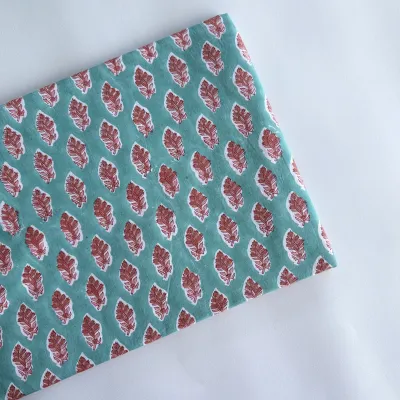
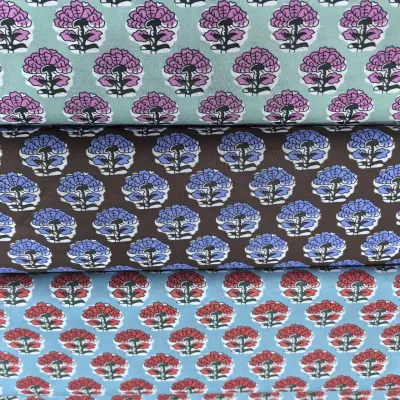
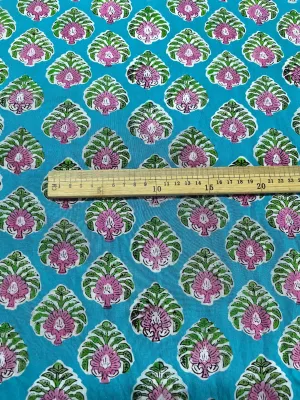
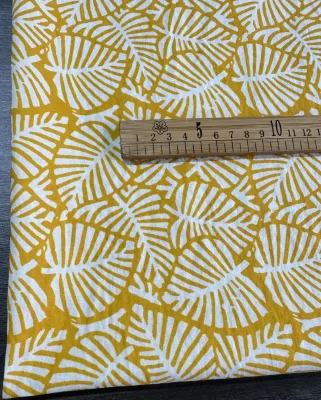
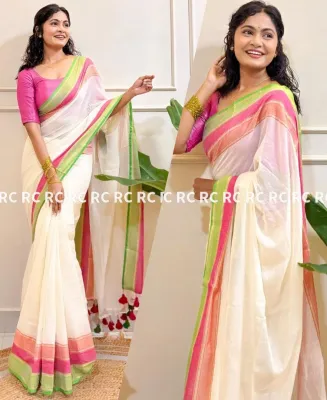
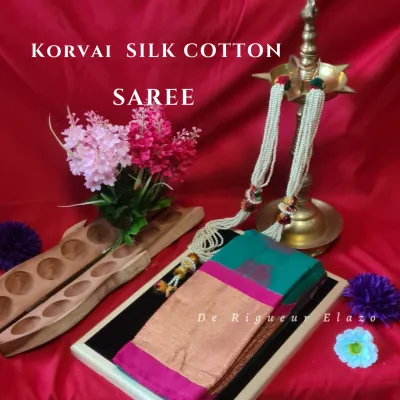
![[Indian Cotton Sharara]Cotton Gota Patti Ethnic Flared Sharara](https://img.lazcdn.com/g/p/1d62e9d3192ca25cf07e0d681ac0dfb3.jpg_400x400q80.jpg_.webp)
Prices are valid at publication and may change. Please refer to the product page for the latest price.
The natural breathability and moisture-wicking properties of these fibers are direct results of the tropical climates where the cotton is grown. The fibers develop a natural crimp that, when spun into yarn, creates tiny air pockets. These pockets help dissipate body heat and absorb moisture efficiently, keeping the wearer cool and dry even during warm weather.
When sourcing fabric, always inspect the product label or technical specifications to verify the material content. Look for “100% cotton” to ensure you are not purchasing a synthetic or semi-synthetic blend, such as polyester-cotton or rayon-cotton. While blends can offer wrinkle resistance, they often compromise the natural breathability and moisture-wicking advantages of pure cotton fibers.
It is important to remember that simply being labeled as “Indian cotton” does not guarantee a specific level of quality or performance. The final fabric’s characteristics depend heavily on how the fiber was spun, woven, and finished. Always check the manufacturer’s specific details regarding fabric weight, thread count, and processing methods rather than relying solely on the country of origin.
Traditional and Modern Weave Types in Indian Cotton
When exploring Indian cotton, you will encounter both handloom and powerloom fabrics, each offering distinct visual and tactile qualities. Handloom fabrics, such as traditional Khadi, are woven manually without electricity, introducing subtle, natural irregularities, minor tension variations, and unique slubs that give the fabric character. Powerloom fabrics are woven on automated machinery, offering high uniformity, consistent thread counts, and a smoother, more standardized finish that is highly cost-effective for large-scale projects.

Among the lightweight options, mulmul (often referred to as fine muslin) is one of the most iconic Indian cotton weaves. This extremely lightweight, open-weave fabric is incredibly soft, sheer, and delicate. It is the perfect choice for airy summer clothing, baby swaddles, or breathable garment linings, offering a gentle drape that feels weightless against the skin.
For projects requiring more structure, cambric and poplin are excellent medium-weight options. Cambric is a closely woven, plain-weave fabric that undergoes a light finishing process to give it a slightly crisp hand-feel, making it ideal for structured shirts, dresses, and detailed craft work. Poplin features a tight, durable plain weave with a smooth surface, making it a versatile staple for everyday apparel and quilting.
Before purchasing, examine the fabric’s weave consistency and tension. Hold the fabric up to a light source to check for any irregular gaps or weak spots in the threads. While minor slubs and variations are expected and valued in handloom textiles as a sign of artisanal production, excessive loose threads or structural inconsistencies should be avoided to ensure the durability of your project.
Comparing Indian Cotton with American and Egyptian Cotton
To choose the right material for your needs, it helps to understand how Indian cotton compares to other prominent global varieties, such as Egyptian and American cotton. Each type excels in different applications based on its typical fiber length and processing standards.
Egyptian cotton is globally renowned for its extra-long staple fibers, which can be spun into exceptionally fine, high-strength yarns. This characteristic makes it the premier choice for luxury bedding, high-thread-count sheets, and premium shirting where an ultra-smooth, silky, and highly durable finish is the primary goal. It is less commonly used for casual, textured, or artisanal everyday wear.
American cotton, particularly standard Upland or Pima cotton, is highly standardized and widely used in commercial textiles. It offers predictable shrinkage, uniform dye absorption, and excellent structural stability. This makes American cotton highly reliable for everyday apparel, commercial garments, and standard quilting fabrics where consistency across large batches is essential.
Indian cotton traditionally excels in versatility, artisanal heritage, and climate adaptability. It serves as the ideal canvas for traditional block printing, batik, and hand-dyeing techniques. Its lighter weaves, like voile and mulmul, offer unmatched comfort in tropical climates, providing an airy, relaxed drape that stiffer, highly standardized commercial cottons cannot easily replicate.
Rather than searching for a single universal winner, match the cotton origin and weave to your specific project requirements. If you are sewing a structured quilt that needs to withstand frequent machine washing, standardized American quilting cotton is highly practical. If you are crafting a flowing, breathable summer dress, a lightweight scarf, or an artisanal craft project, an Indian handloom cotton or printed cambric will deliver the ideal drape and comfort.
How to Evaluate and Select Indian Cotton Fabric for Your Projects
Evaluating the quality of Indian cotton fabric before cutting into it ensures your sewing project turns out exactly as planned. Traditional Indian cottons, especially those decorated with natural dyes like indigo, madder, or pomegranate, may bleed during their first few washes. To evaluate dye quality, perform a simple rub test with a damp white cloth on an inconspicuous corner of the fabric, or wash a small swatch to observe any color runoff.
Next, inspect the physical dimensions and structural integrity of the fabric. Standard fabric widths typically range from 110 cm (44 inches) to 140 cm (55 inches); verify these measurements to ensure you have enough material for your pattern layout. Check the selvedges for neatness, as excessively frayed or pulling edges can indicate poor tension during the weaving process, which might cause the fabric to warp.
Pure cotton fabrics naturally shrink when exposed to water and heat, and some Indian cotton weaves can shrink anywhere from 5% to 10%. Always review the manufacturer’s care instructions and perform a thorough pre-wash of your fabric using the same temperature and cycle you plan to use for the finished item. This step stabilizes the weave and prevents unexpected sizing issues after your garment is sewn.
If you are purchasing fabric online through an ecommerce platform and the product description lacks essential details, stop and contact the seller. Ask for clarification on the fabric weight (measured in grams per square metre or GSM), the dye type used, and specific care requirements. Verifying these details beforehand prevents project setbacks and ensures you receive a fabric perfectly suited to your creative needs.
Frequently Asked Questions (FAQ)
Is Indian cotton suitable for sensitive skin?
Yes, pure Indian cotton is highly suitable for sensitive skin due to its natural breathability and softness, which help minimize irritation in warm climates. However, some commercially processed fabrics may contain stiffening starches, chemical finishes, or synthetic dyes that can trigger sensitivities. To ensure maximum comfort, look for unbleached, organic, or naturally dyed options verified by the manufacturer, and thoroughly wash the fabric before wearing to remove any residual processing agents.
How should I pre-wash Indian cotton fabric before sewing?
Pre-washing is essential to manage shrinkage and remove excess dye before you cut your pattern pieces. Always follow the manufacturer’s specific care label instructions. As a general rule, test a small swatch first to check for color bleeding, then wash the fabric in cool water on a gentle cycle with a mild detergent. Line dry or tumble dry on low heat, and press the fabric while it is slightly damp to remove wrinkles before cutting.
Community discussion
Share your experience or ask a question. Comments are reviewed before publication.