
Orange silica gel is a specialized desiccant designed to protect sensitive items from moisture damage while providing a clear visual cue of its absorption status. Unlike standard desiccants that look the same whether dry or saturated, this indicating variety changes color as it adsorbs water vapor from the surrounding air. This visual feedback makes it highly useful for maintaining dry environments in storage boxes, electronics cases, and packaging setups where moisture control is critical.
In environments with high relative humidity, moisture can quickly degrade paper documents, ruin delicate stationery, rust metal components, and encourage mold growth on leather goods. Utilizing a reliable desiccant helps mitigate these risks by actively pulling moisture out of the air within a sealed container. Understanding how orange silica gel compares to other common desiccants allows you to make an informed decision for your specific storage and packaging needs.
How Orange Indicating Silica Gel Works
Indicating silica gel consists of standard silicon dioxide beads that have been washed or impregnated with a moisture-sensitive chemical indicator. Silicon dioxide itself is a highly porous material with an incredibly large internal surface area, which naturally attracts and holds water molecules through a process called physical adsorption. The added indicator compound reacts to the presence of moisture, altering its light-absorption properties and causing a visible color shift as the beads absorb water.
Products mentioned in this guide
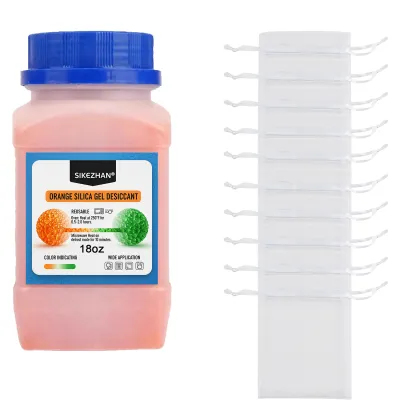
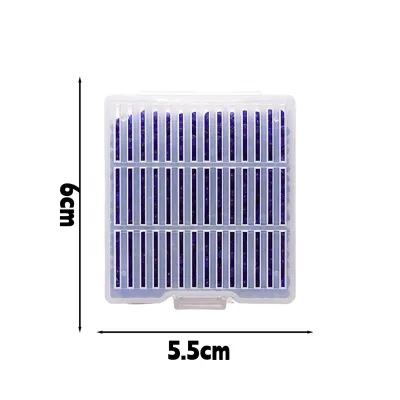
![[SG Stock] Silica Gel 500g Desiccant Bottle Orange & Blue for Camera Dry Box Collectibles Dehumidifier Silical](https://img.lazcdn.com/g/p/c416ecf249a270cc9195c7e89617acc4.jpg_400x400q80.jpg_.webp)
![[SG Stock] 500g Silica Gel Desiccant Bottle Orange & Blue for Camera Dry Box Collectibles Dehumidifier Silical](https://img.lazcdn.com/g/p/665742c940c9db75a1d16f3ea5fbf089.jpg_400x400q80.jpg_.webp)
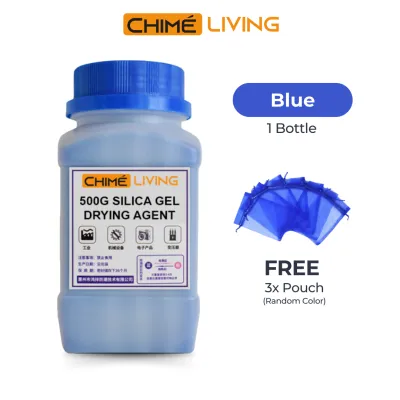
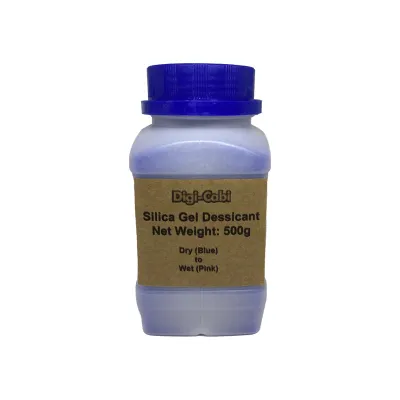
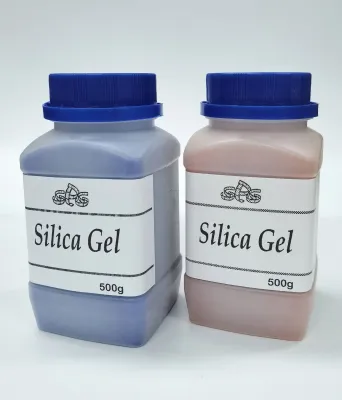
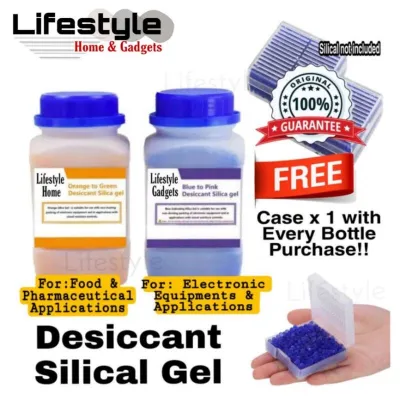
Prices are valid at publication and may change. Please refer to the product page for the latest price.
The exact color transition of orange silica gel depends on the specific formulation used by the manufacturer. Most commonly, dry orange silica gel beads start as a bright, translucent amber or orange color. As they adsorb moisture and approach saturation, they typically transition to a dark green, deep blue, or sometimes a completely colorless state. Because these color pathways are proprietary and vary across different brands, it is essential to verify the expected color transition by reading the product label or technical data sheet before use.
This color-change mechanism is entirely reversible. Because adsorption is a physical attraction rather than a permanent chemical bond, the trapped water molecules can be driven out of the silica gel pores by applying controlled heat. As the moisture evaporates, the indicator compound returns to its original dry state, and the beads shift back to their bright orange color. This reversibility makes indicating silica gel a highly sustainable and cost-effective option for long-term moisture control.
Orange vs. Blue vs. White Silica Gel: Key Differences
When selecting a desiccant, you will generally choose between three primary types of silica gel: orange indicating, blue indicating, and white non-indicating. The most obvious difference lies in their visual feedback. Orange and blue silica gels provide a clear, real-time indication of their moisture levels, whereas white silica gel remains completely unchanged in appearance regardless of how much water it has absorbed. To determine if white silica gel is saturated, you must either weigh it or rely on a separate humidity indicator card.

Safety considerations represent the most critical distinction between these options. Historically, blue indicating silica gel was the industry standard for visual moisture tracking. However, the indicator used in blue silica gel is cobalt chloride, a heavy metal compound that has been classified as a hazardous substance in many regions due to potential health and environmental risks. Consequently, blue silica gel requires strict handling precautions, protective equipment during bulk use, and specialized disposal procedures to prevent environmental contamination.
Orange silica gel was developed specifically as a safer, cobalt-free alternative to blue silica gel. It typically utilizes organic indicators or iron-based compounds that pose significantly lower risks to human health and the environment. This makes orange silica gel much more suitable for household use, office storage, and standard packaging applications where specialized hazardous waste disposal is impractical.
Despite the safety advantages of orange silica gel over blue, all silica gel products require careful handling. The small, round beads present a severe choking hazard for young children and pets, who may mistake them for toys or candy. Additionally, the dust from loose silica beads can irritate the respiratory tract if inhaled. Always store these products securely, handle loose beads in well-ventilated areas, and consult the manufacturer’s Safety Data Sheet (SDS) to understand the specific chemical composition and safety guidelines for your product.
How to Choose the Right Desiccant for Your Packaging Needs
Choosing the right desiccant depends largely on your specific application, container type, and whether you need to monitor moisture levels over time. Indicating silica gels, such as the orange variety, are ideal for reusable storage containers, camera dry boxes, and tool chests. Because these containers are opened and closed frequently, letting in fresh moisture each time, the visual indicator allows you to monitor the internal environment at a glance and know exactly when the desiccant needs to be replaced or recharged.
For single-use shipping boxes, sealed product packaging, or concealed compartments where the desiccant cannot be seen, non-indicating white silica gel is usually the most practical and economical choice. Since you cannot observe the color change inside a sealed cardboard box during transit, paying extra for indicating beads is unnecessary. White silica gel provides the same moisture-absorption capacity as indicating varieties at a lower cost, making it the standard choice for bulk commercial shipping.
If your packaging needs involve food, spices, herbal supplements, or pharmaceuticals, you must exercise extreme caution. A common misconception is that because orange silica gel is cobalt-free, it is automatically safe for direct contact with consumables. Color alone does not guarantee food safety. For these sensitive applications, you must select desiccants that are explicitly certified and labeled as “food-grade” by relevant regulatory bodies. These products use specialized, dust-free packaging materials and highly purified silica gel to prevent contamination.
You should also consider the physical format of the desiccant. Loose silica gel beads are highly versatile for custom containers, air-drying columns, or specialized laboratory equipment where you can pour the beads directly into a compartment. For general packaging, shipping, or protecting stationery and paper archives, pre-packaged sachets or Tyvek packets are much cleaner and more convenient. Packets prevent loose beads from spilling, rolling away, or generating fine silica dust that could coat your stored items.
Recharging and Maintaining Indicating Silica Gel
One of the primary benefits of indicating silica gel is its ability to be recharged and reused multiple times. Recharging is the process of heating the saturated desiccant to a temperature high enough to evaporate the trapped water vapor from the silica pores without damaging the physical structure of the beads or the indicator compound itself. When done correctly, this process restores the desiccant’s original moisture-absorption capacity and returns the beads to their dry orange color.
However, recharging must be approached with care to avoid safety hazards and product damage. Never attempt to dry silica gel using open flames, standard kitchen microwaves, or arbitrary high-temperature settings. Excessive heat can cause the silica beads to fracture, turn black, or lose their structural integrity, rendering them useless. Furthermore, if you are attempting to recharge pre-packaged sachets, high temperatures can easily melt plastic, polyester, or adhesive seals, leading to spilled beads, ruined appliances, or even fire hazards.
To safely recharge your indicating silica gel, always consult and strictly follow the manufacturer’s official guidelines printed on the packaging or the product’s technical data sheet. Typically, manufacturers recommend spreading loose, heat-safe beads in a single layer on a metal baking sheet and heating them in a conventional oven at a low, controlled temperature specified on the packaging until the original orange color returns. Ensure the drying area is well-ventilated, and allow the beads to cool completely in a sealed, airtight container before putting them back into service.
Frequently Asked Questions (FAQ)
Is orange silica gel safe to touch?
While orange silica gel is formulated as a safer, cobalt-free alternative to blue silica gel, it remains an active chemical desiccant. Direct, prolonged skin contact can strip natural moisture from your hands, leading to dryness, irritation, or mild skin cracking. It is best to wear gloves when handling loose beads, wash your hands thoroughly with soap and water after handling, and consult the product’s Safety Data Sheet (SDS) for specific handling precautions.
How do I know when the silica gel needs recharging?
You can determine when your indicating silica gel is saturated by observing its color. Once the beads transition fully from their dry orange state to the designated saturated color—such as dark green, deep blue, or clear—they have reached their maximum moisture capacity and can no longer protect your items. Always refer to the manufacturer’s packaging to confirm the exact color transition for your specific brand, as indicators vary.
Community discussion
Share your experience or ask a question. Comments are reviewed before publication.