
Milk cotton yarn is a popular blended yarn known for its notable softness, smooth texture, and vibrant color payoff. Typically combining milk protein fibers (casein) with cotton and synthetic fibers like acrylic or polyester, this yarn offers the breathable comfort of natural cotton alongside the lightweight loft of synthetics. It has become a popular choice for crafters looking to create comfortable garments, delicate baby items, and structured crochet toys.
Understanding the Composition of Milk Cotton Yarn
Despite its natural-sounding name, “milk cotton” is a commercial term rather than a standardized chemical classification. The actual composition of the yarn can vary significantly between manufacturers. To understand what you are working with, you must examine the physical yarn label or the manufacturer’s technical specifications.
The core distinguishing ingredient is milk protein fiber, which is chemically extracted from milk casein. This protein is spun into a smooth, silk-like fiber. Because pure milk protein fiber lacks structural strength on its own, manufacturers blend it with other materials. Cotton is the most common partner, adding strength, structure, and breathability.
Products mentioned in this guide
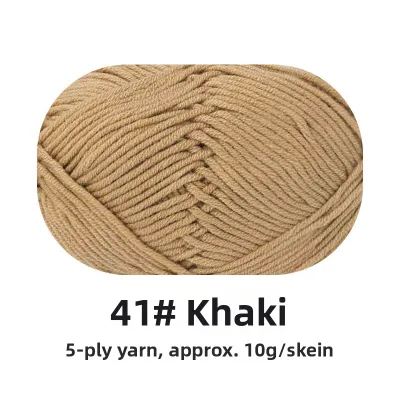
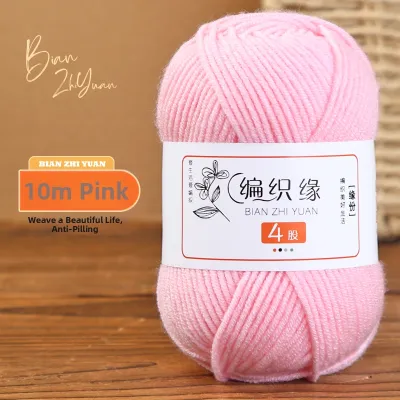
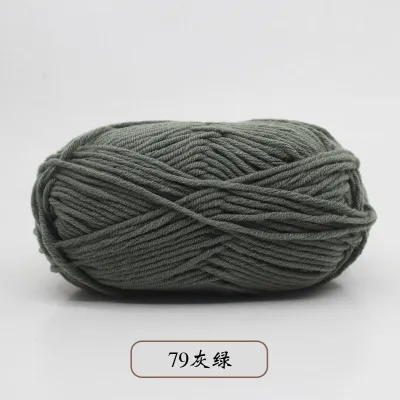
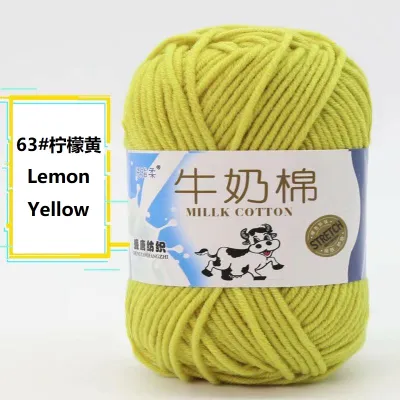
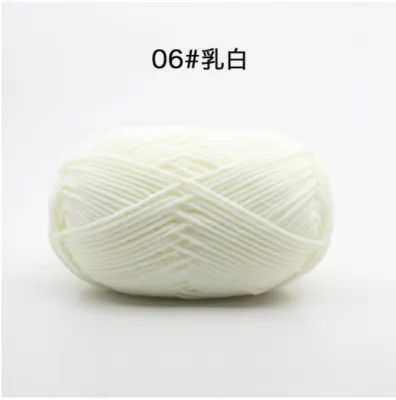
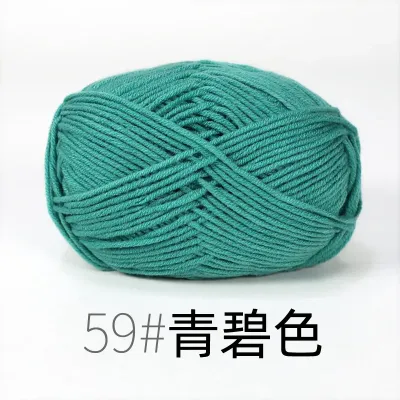
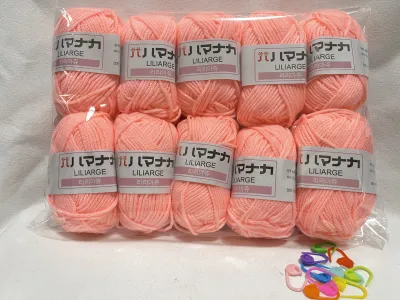
Prices are valid at publication and may change. Please refer to the product page for the latest price.
To further enhance durability, elasticity, and affordability, manufacturers frequently introduce synthetic fibers like acrylic or polyester. This combination results in a hybrid yarn that captures the best qualities of both natural and synthetic materials. Because these blend ratios are not uniform, checking the label is essential to confirm the exact percentages, especially if you have specific skin sensitivities or allergies.
Key Material Properties for Knitting and Crochet
The unique blend of fibers in milk cotton yarn directly influences how it behaves on your knitting needles or crochet hooks. Crafters often notice its remarkable softness and smooth glide, which makes the crafting process comfortable and reduces hand fatigue. The yarn typically exhibits a gentle drape and a subtle sheen, giving finished items a polished, high-quality appearance.

Moisture absorption is another notable trait, largely inherited from the cotton and milk protein components. This makes the yarn comfortable to wear in warm climates, such as Singapore’s humid weather, as it helps draw moisture away from the skin. Additionally, the multi-ply structure of most milk cotton yarns provides clear stitch definition, making intricate cable patterns, textured stitches, and clean crochet lines stand out beautifully.
However, the specific blend ratio of your chosen yarn will dictate its elasticity and shape retention. Yarns with a higher acrylic content tend to bounce back more easily, while those with a high cotton content may stretch out over time under their own weight. To avoid surprises, always knit or crochet a gauge swatch. Wash and block this swatch to observe how the fibers bloom, settle, and hold their shape before committing to a large project.
Suitable Projects and Limitations for Milk Cotton Yarn
Milk cotton yarn is highly versatile, but matching its properties to the right project is key to a successful finished piece. Its soft texture and clear stitch definition make it well-suited for lightweight summer tops, delicate shawls, and baby accessories like booties or blankets. The smooth finish also makes it a popular choice for amigurumi (crocheted stuffed toys), where clean stitches are highly valued.
Despite these advantages, the yarn has clear limitations. Because it lacks the natural crimp and high elasticity of animal fibers like wool, milk cotton yarn may not provide enough structural memory for heavy winter coats, highly elastic ribbing, or garments that need to hold a tight, form-fitting shape. Over time, heavy items made from milk cotton can sag or stretch out of shape.
To help you select the right yarn for your next project, consider this general decision framework based on common yarn weights and properties:
- Lightweight/Fingering Weight (High Cotton/Milk Blend): Well-suited for delicate baby garments, summer shawls, and lightweight lace knitting. Offers breathability but lower elasticity.
- DK/Light Worsted Weight (Balanced Cotton/Acrylic/Milk Blend): Practical for amigurumi, mid-weight sweaters, cardigans, and decorative home accessories. Provides a balance of softness, stitch definition, and structural integrity.
- Worsted/Aran Weight (High Acrylic Blend): Useful for cozy blankets, plush toys, and quick-knit accessories. Offers durability and loft, though it may feel warmer and less breathable.
Care, Washing, and Maintenance Guidelines
Preserving the beauty and softness of your finished milk cotton projects requires careful maintenance. Because the fiber blend varies so widely between brands, you must always prioritize the care instructions printed on the specific yarn band. The ratio of synthetic to natural fibers dictates how the material reacts to water, heat, and agitation.
As a general rule for delicate fiber blends, hand washing in cool or lukewarm water with a mild, pH-neutral detergent is a safe approach. Avoid harsh agitation, wringing, or twisting, which can distort the stitches and cause the fibers to stretch. Instead, gently squeeze out excess water by rolling the item in a clean, dry towel, and lay it flat on a drying rack away from direct sunlight to prevent color fading.
If you encounter a situation where the yarn label is missing, or if the care instructions are unclear, do not risk washing the entire garment immediately. Instead, perform a wash test on your gauge swatch. Observe how the swatch reacts to your intended washing method, checking for shrinkage, stretching, or color bleeding before cleaning the finished piece.
Purchasing Checklist and Verification Steps
When shopping for milk cotton yarn online or at a local craft store, a systematic approach will help you avoid project setbacks. Use this practical checklist to verify the quality and suitability of the yarn before making a purchase:
- Verify the Fiber Content: Read the label carefully to confirm the exact percentages of milk protein, cotton, and synthetic fibers.
- Check the Yarn Weight and Meterage: Ensure the thickness matches your pattern requirements, and check the total length per skein to calculate how many balls you need.
- Match the Recommended Needle or Hook Size: Compare the manufacturer's suggested tool sizes with your project plans to ensure a compatible gauge.
- Test for Colorfastness: If combining high-contrast colors, soak a small piece of yarn in warm water and press it against a white paper towel to check for dye transfer.
- Verify Dye Lot Numbers: Purchase skeins with matching dye lot numbers for a single project to avoid subtle color variations.
Frequently Asked Questions (FAQ)
Is milk cotton yarn considered 100% natural?
No, milk cotton yarn is rarely 100% natural. While it contains natural components like cotton and milk-derived protein, the manufacturing process of milk protein fiber involves chemical processing. Most commercial milk cotton yarns are blended with synthetic fibers like acrylic or polyester to improve strength and elasticity. You must check the physical product label to confirm the exact natural-to-synthetic ratio.
Does milk cotton yarn pill or fuzz easily?
Pilling depends heavily on the specific fiber blend, fiber length, and twist tightness. Yarns with a high acrylic content or a loose twist are more prone to pilling from friction. To minimize pilling, look for milk cotton yarns with a tighter, multi-ply twist, and test a small swatch by rubbing it gently against another fabric to observe its wear resistance.
Is this yarn safe for baby garments and sensitive skin?
Milk cotton yarn is celebrated for its soft, non-scratchy texture, making it a common choice for baby items. However, comfort and safety depend on the absence of harsh chemical dyes and potential allergens. Always verify the manufacturer’s safety certifications and check the fiber breakdown on the label. If you have a known dairy allergy, consult a medical professional or perform a skin patch test with a washed swatch.
Community discussion
Share your experience or ask a question. Comments are reviewed before publication.