
If you have ever browsed the shelves of a local craft shop or scrolled through online marketplaces, you have likely encountered milk cotton 5 ply yarn. This material is highly popular among knitters and crocheters for its cloud-like softness, vibrant colors, and budget-friendly price point. However, the name itself often raises questions for beginners and experienced crafters alike. Despite what the branding suggests, most commercial milk cotton yarn is not made entirely of milk proteins. Instead, it is typically a synthetic-natural hybrid blend designed to mimic the luxurious, smooth feel of milk casein protein at a fraction of the cost. Understanding the exact composition of this fiber blend is essential for choosing the right materials, ensuring project durability, and executing proper care.
What Is Actually Inside "Milk Cotton" Yarn?
The term “milk cotton” is frequently used as a commercial marketing name rather than a strict scientific or textile classification. When you purchase a skein under this label, you are rarely buying a product made purely from dairy proteins. In the global textile market, true milk fiber is produced by extracting casein protein from skimmed milk, which is then chemically processed and wet-spun into a silky, biodegradable thread. Because this pure casein fiber is delicate, complex to manufacture, and relatively expensive, it is seldom sold in bulk as a budget crafting yarn.
Instead, the vast majority of commercial milk cotton yarns are engineered blends of cotton and acrylic fibers. This combination is designed to replicate the incredibly soft, “milky” texture of casein at an accessible price. A standard high-quality blend typically consists of roughly 60% to 80% cotton, with the remaining 20% to 40% made up of acrylic. The cotton provides a breathable, natural base, while the acrylic adds loft, elasticity, and a soft, fuzzy halo that mimics the feel of premium protein fibers.
Products mentioned in this guide
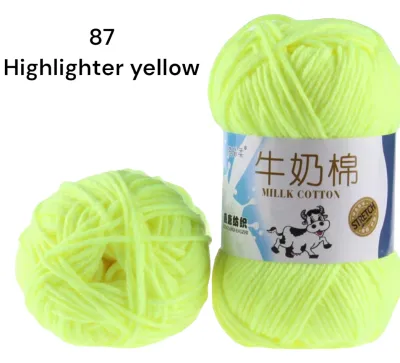
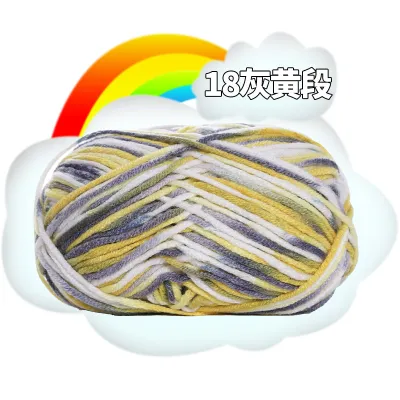
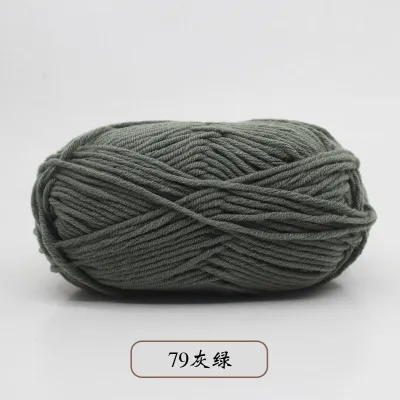
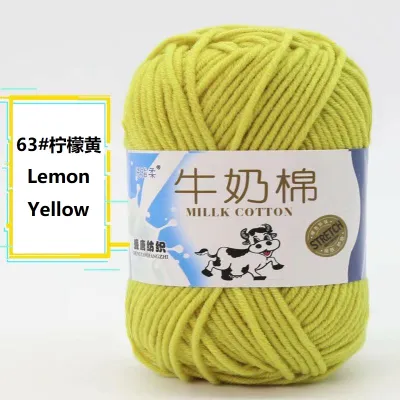
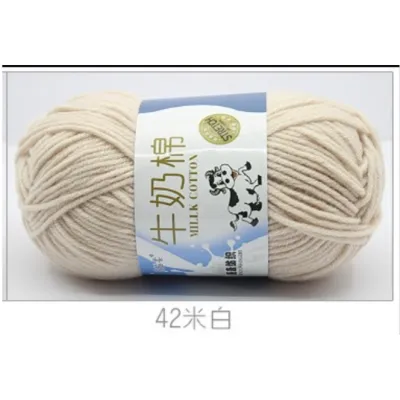
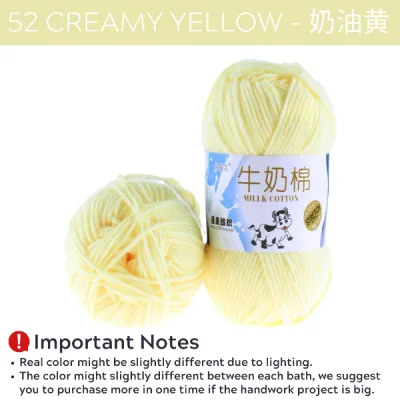
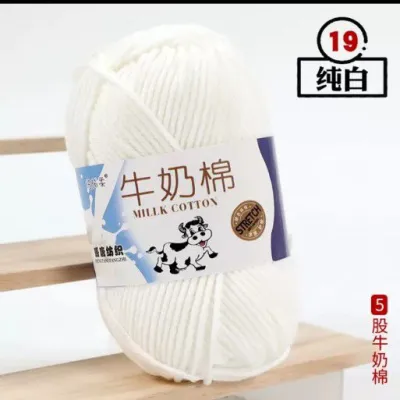
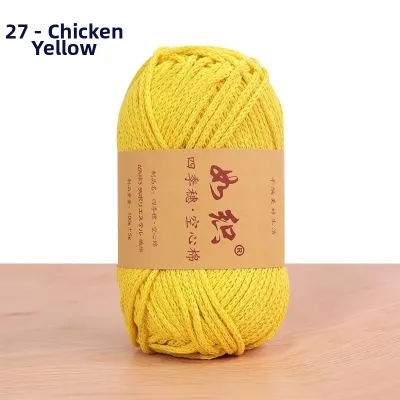
Prices are valid at publication and may change. Please refer to the product page for the latest price.
It is important to note that some exceptionally low-cost yarns sold under the milk cotton name may contain little to no actual cotton or milk protein. In some cases, these products are 100% acrylic yarns that have undergone specialized chemical softening treatments to give them a silkier handle. Relying solely on the product title can lead to mismatched expectations regarding how the yarn behaves during crafting and washing.
To verify exactly what you are purchasing, you must read the fiber content percentage printed on the yarn’s physical label or ball band. Responsible manufacturers will clearly list the exact ratio of cotton, acrylic, and any genuine milk protein fibers. Checking this specification before you begin crafting allows you to predict how the yarn will drape, wear, and react to moisture over time.
Understanding 5-Ply Weight and Project Suitability
In the yarn world, the term “ply” historically referred to the number of individual strands twisted together to form a single thread. However, in modern craft terminology—particularly in regions like Australia, New Zealand, and Singapore—the term “5-ply” is used as a standardized weight or thickness classification. A milk cotton 5 ply yarn does not necessarily consist of five distinct strands; rather, it belongs to the Sport weight or light DK (Double Knitting) category. This medium-fine thickness is highly versatile, making it a staple in many crafters’ stashes.

When planning a project with this specific yarn weight, matching your tools to the fiber thickness is crucial for achieving the correct gauge. For crochet projects, a hook size ranging from 3.0 mm to 4.0 mm is generally recommended, depending on how tightly you stitch. For knitting, needles between 3.25 mm and 3.75 mm (US 3 to 5) typically yield the best results. A standard stockinette stitch gauge for this weight usually falls between 22 and 26 stitches per 10 cm (4 inches).
This specific thickness is exceptionally well-suited for a wide range of detailed and lightweight projects. It is the gold standard for amigurumi (crocheted stuffed toys) because it is thick enough to work up quickly but thin enough to allow for tight, seamless stitches that keep toy stuffing securely inside. Additionally, the weight is ideal for crafting baby blankets, lightweight cardigans, spring shawls, and delicate home decor items like coasters and table runners.
How Milk Cotton Feels, Wears, and Drapes
Softness and Skin Sensitivity
One of the primary reasons crafters repeatedly reach for milk cotton 5 ply is its remarkable softness. The blend of natural cotton and synthetic acrylic creates a fiber that feels exceptionally gentle against the skin, entirely free of the scratchiness often associated with sheep’s wool or low-grade acrylics. This makes it an outstanding choice for sensitive skin, particularly for newborn baby garments, booties, and blankets that require maximum comfort.
Durability and Pilling
While pure cotton yarn is highly durable, it can be heavy, inelastic, and prone to sagging or losing its shape over time. The addition of acrylic to the blend solves this issue by introducing elasticity, structural memory, and lightweight loft. However, because acrylic is a synthetic polymer, the blended fibers are more susceptible to pilling—the formation of small, fuzzy balls on the fabric surface—especially in high-friction areas like the underarms of a sweater or the bottom of a bag.
Drape and Stitch Definition
This yarn blend offers a unique balance of structure and fluidity. It provides crisp, highly visible stitch definition, making intricate stitch patterns, cables, and textured crochet stitches stand out beautifully. The drape of the finished fabric is moderately soft; it does not sag under its own weight like pure cotton, nor does it feel stiff and synthetic like some pure acrylics.
Breathability in Warm Climates
For crafters living in warm, humid climates like Singapore, fiber breathability is a major consideration for wearable items. The cotton component of the blend naturally absorbs moisture and allows air to circulate, keeping the wearer comfortable. The acrylic component keeps the garment lightweight, preventing it from feeling suffocatingly hot. However, if you are crafting garments intended for outdoor wear in high humidity, a blend with a higher cotton percentage will feel significantly cooler than one dominated by acrylic.
Washing and Care Instructions to Protect Your Projects
Washing Guidelines
To preserve the shape, color, and texture of your finished milk cotton projects, careful laundering is essential. Hand washing in cool water with a mild, pH-neutral detergent is always the safest method to prevent fiber degradation and stretching. If you choose to use a washing machine, place the item inside a zippered mesh laundry bag, select the delicate or wool cycle, and use cold water. Always consult the care symbols on the original yarn ball band, as different blend ratios may have varying tolerances for machine agitation.
Drying Methods
Never wring or twist your finished items to remove excess water, as this can permanently warp the stitches and stretch the fabric out of shape. Instead, lay the wet item flat on a clean, dry towel, roll the towel up gently to absorb the bulk of the moisture, and then unroll it. Lay the project completely flat on a horizontal drying rack in a shaded, well-ventilated area away from direct sunlight. Avoid tumble dryers entirely; the high heat can cause the acrylic fibers to melt, shrink, or lose their structural integrity.
Blocking Tips
Blocking is a highly recommended step to set your stitches and give your finished project a polished, professional look. For milk cotton blends, gentle wet blocking is typically the safest approach. If you decide to use steam blocking to shape your garment, exercise extreme caution: hold the steam iron or garment steamer at least 3 to 5 centimeters away from the fabric surface. Never press the iron directly onto the yarn, as the heat will “kill” the acrylic fibers, causing them to melt slightly, lose their bounce, and go permanently limp and flat.
Storage Best Practices
In humid environments, proper storage is critical to protect your yarn and finished projects from moisture damage, mold, and pests. Store your skeins and completed items in a cool, dry place, preferably inside breathable cotton storage bags or airtight plastic bins. Adding silica gel packets to your storage containers can help absorb excess ambient humidity. Avoid storing your items in damp closets or unventilated spaces where mildew can easily develop on natural cotton fibers.
When to Use (and Avoid) Milk Cotton 5-Ply
Best Applications
Milk cotton 5 ply is incredibly versatile and excels in projects where softness, stitch definition, and vibrant color are paramount. It is highly recommended for amigurumi, baby blankets, children’s clothing, lightweight sweaters, and decorative home accessories. Its smooth texture makes it easy to work with, allowing stitches to glide effortlessly off your needles or hooks, which is highly beneficial for beginners practicing their tension.
When to Avoid
Despite its versatility, this yarn is not suitable for every application. You should strictly avoid using milk cotton blends for items that will come into direct contact with high heat, such as pot holders, oven mitts, trivets, or hot pads. Because acrylic is a plastic-based synthetic fiber, it will melt when exposed to high temperatures, which can cause severe burns or ruin your kitchen surfaces. For these projects, always opt for 100% pure, unblended cotton or linen. Additionally, this blend lacks the extreme thermal insulation required for heavy winter outerwear intended for freezing climates.
Pre-Project Checklist
Before committing your time and effort to a large project, take a few minutes to complete a quick pre-project checklist. First, verify the exact fiber composition on the label to ensure it matches your project’s care and functional needs. Second, check that all the skeins you purchase share the exact same dye lot number; subtle color variations between different batches can create highly visible lines in your finished fabric. Finally, always knit or crochet a 10 x 10 cm gauge swatch, wash and dry it according to your planned care routine, and measure it to confirm your stitch count matches your pattern instructions.
Frequently Asked Questions (FAQ)
Is milk cotton yarn safe for baby clothes?
Yes, milk cotton yarn is highly popular and generally considered very safe for baby clothes because of its exceptional softness and non-irritating texture. However, because fiber blends vary widely between manufacturers, you should always inspect the yarn label to verify the exact composition. For babies with highly sensitive skin or allergies, look for yarns that carry certified textile safety labels, such as the Oeko-Tex Standard 100 certification, which ensures the material is free from harmful levels of chemical substances and toxins.
Does 5-ply milk cotton yarn shrink in the wash?
Pure cotton fibers are highly prone to shrinking when exposed to heat and water, but the acrylic content in a milk cotton blend acts as a stabilizer to minimize this risk. While a cotton-acrylic blend will shrink significantly less than 100% cotton, some minor shrinkage or stretching can still occur depending on your washing method. To prevent any unexpected changes in your garment’s size, always wash your finished items in cold water, avoid hot tumble dryers, and wash a test gauge swatch before starting your main project to observe how the fibers behave.

Community discussion
Share your experience or ask a question. Comments are reviewed before publication.