
Ice silk thread has become a popular choice for crafters looking to create lightweight, elegant pieces with a distinct, professional finish. Known for its brilliant sheen and fluid drape, this material offers a refreshing alternative to traditional wool and acrylic options, especially when crafting items for warmer climates. Despite its name, ice silk does not come from silkworms; instead, it is a modern textile innovation designed to mimic the luxurious feel of natural silk while offering unique cooling properties.
Understanding what this material is made of and how it behaves on your knitting needles or crochet hooks is essential before starting a new project. Because it handles differently from standard plied yarns, mastering its unique characteristics will help you avoid common pitfalls like slipping stitches or sagging garments. By learning how to select the right projects and care for the finished items, you can make the most of this beautiful, lustrous fiber.
Understanding Ice Silk Thread: Composition and Characteristics
When shopping for crafting supplies, the term “ice silk” can easily lead to confusion. It is important to recognize that ice silk is a commercial marketing name rather than a standardized textile classification or a natural fiber. Manufacturers use this term to describe a category of yarn that feels remarkably cool against the skin and possesses a highly reflective, silk-like surface.
Products mentioned in this guide
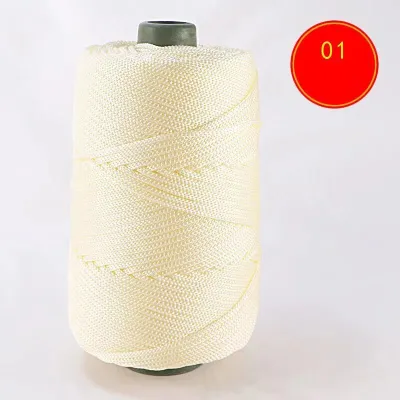
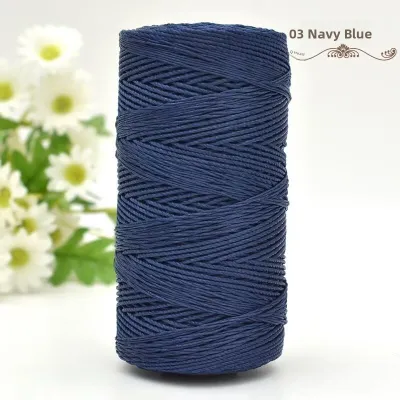
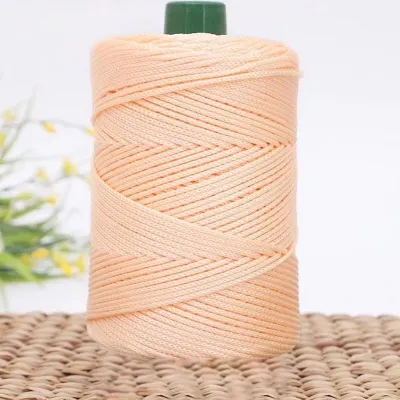
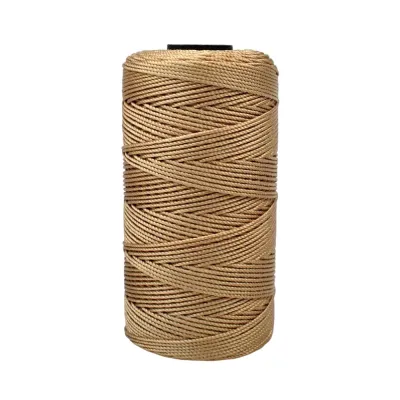
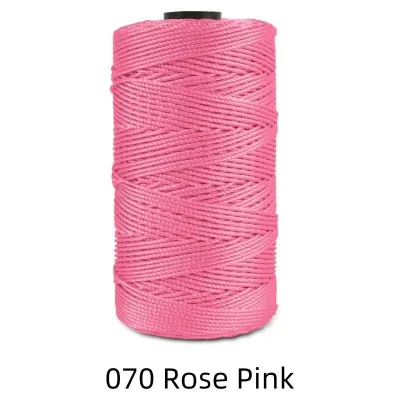
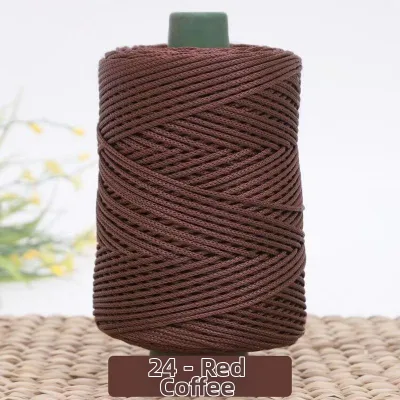
Prices are valid at publication and may change. Please refer to the product page for the latest price.
To understand exactly what you are working with, you must look past the front packaging and examine the fiber content label on the skein. Most ice silk threads are composed of semi-synthetic or synthetic fibers. The most common component is viscose or rayon, which is derived from processed wood pulp and provides the signature cool sensation and high moisture absorption. To improve durability, strength, and elasticity, manufacturers frequently blend these cellulose fibers with synthetic materials such as polyester, nylon, or acrylic.
The physical properties of ice silk thread are highly distinct and immediately noticeable. When you hold a skein, it feels noticeably heavier and cooler than a similarly sized ball of cotton or wool. The thread has an incredibly smooth, almost slippery texture and a high-gloss finish that catches the light beautifully. It also possesses an exceptionally fluid drape, meaning that the finished fabric will flow and hang closely to the body rather than holding a stiff, structured shape.
Ice Silk Thread vs. Regular Yarn: Key Differences for Crafters
Choosing between ice silk thread and regular yarn can completely alter the outcome of your knitting or crochet project. The most immediate difference lies in temperature regulation and how the fiber feels in your hands as you work. Traditional wool, alpaca, and acrylic yarns are designed to trap air and provide warmth, making them cozy but unsuitable for hot weather. Ice silk, by contrast, has high thermal conductivity, meaning it draws heat away from the body, resulting in a refreshing, cool-to-the-touch sensation that is perfect for tropical climates or summer wear.

The tactile experience of working with these materials is also vastly different. Regular cotton or wool yarns have a natural grip, or “tooth,” which helps the stitches stay put on your needles or hooks. Ice silk thread is exceptionally sleek and slippery, offering almost no resistance. While this allows your tools to glide effortlessly through the stitches, it also means that dropped stitches can unravel rapidly if they are not secured immediately.
Visually, the contrast is striking. Regular yarns typically offer a matte, fuzzy, or slightly textured finish that softens the stitch definition. Ice silk thread provides a brilliant, metallic-like luster that highlights every single stitch with crisp clarity. This high sheen makes intricate lace patterns stand out beautifully, though it also means that any inconsistencies in your tension will be more visible in the final fabric.
Finally, the structural behavior of the finished fabric differs significantly. Traditional fibers like wool possess natural elasticity and crimp, allowing garments to stretch and bounce back into their original shape. Ice silk thread has almost no natural elasticity or structural memory. Because the fibers are smooth and heavy, the weight of the garment will pull the stitches downward, creating a long, fluid drape that stretches over time rather than holding a tight, springy form.
Best Projects for Ice Silk Thread and What to Avoid
Because of its unique physical properties, ice silk thread is highly suited for specific types of projects but completely inappropriate for others. Ideal projects are those that embrace the fiber’s natural weight and fluid drape. Lightweight summer tops, airy shawls, delicate lace scarves, and elegant beach cover-ups are excellent candidates. The cooling properties of the viscose blend ensure these garments remain comfortable to wear even in high humidity, while the high sheen gives them an upscale, boutique-like appearance. You can also use it to make decorative accessories like tassels, bookmarks, and lightweight summer handbags.
Conversely, there are several projects you should avoid when working with ice silk thread. Structured garments that rely on ribbing or tight waistbands to stay in place will quickly lose their shape due to the yarn’s lack of elasticity. Three-dimensional items, such as amigurumi toys, are also poor choices; the slippery thread makes it difficult to maintain the tight, firm stitches required to hold stuffing, and the finished toy will lack the necessary stiffness. Heavy winter blankets or thick sweaters should also be avoided, as the material provides no insulation and will become incredibly heavy and saggy when worked in large quantities.
Working with such a slippery fiber requires a few practical adjustments to your crafting technique. If you find the thread sliding off your metal needles or plastic crochet hooks, switch to tools made of wood or bamboo. The natural texture of these materials provides just enough friction to help you maintain control over your stitches. It is also helpful to keep your tension slightly firmer than usual and to use locking stitch markers to secure your work whenever you put it down. Because ice silk thread is often made of multiple fine, un-plied strands, pay close attention to avoid splitting the yarn with the tip of your hook or needle.
Care and Maintenance Instructions for Ice Silk Yarn
Proper care is essential to ensure that your handmade ice silk creations maintain their beauty and shape over time. Before attempting to clean or press your finished item, always check the manufacturer’s care label on the original yarn packaging. Because ice silk is a blend of different fibers, the specific washing instructions can vary depending on whether viscose, polyester, or nylon is the dominant component.
As a general rule, delicate synthetic and semi-synthetic blends should be washed with extreme care. Hand washing in cold water with a mild, pH-neutral detergent is the safest method to prevent fiber damage and color bleeding. If you prefer to use a washing machine, place the garment inside a mesh laundry bag to protect it from snagging on other items, and select a gentle or delicate cycle with cold water. Avoid using harsh bleach or fabric softeners, which can degrade the synthetic fibers and ruin the signature cool texture.
Drying and storing your ice silk items requires a specific approach to combat the fiber’s natural tendency to stretch. Never hang a wet ice silk garment on a hanger or clothesline, as the weight of the water will permanently pull the stitches out of shape, leaving you with a distorted piece. Instead, gently squeeze out excess water without wringing, lay the item flat on a clean, dry towel, and reshape it to its original dimensions to air dry. Once dry, store the garment folded flat in a drawer rather than hanging it in a closet to prevent gravity from stretching the shoulders over time. Avoid using high-heat irons; if wrinkles occur, use a low-temperature steamer or place a damp cloth between the iron and the garment on a low setting.
Frequently Asked Questions (FAQ)
Is ice silk thread suitable for beginners?
Ice silk thread is generally not recommended for absolute beginners. Its slippery texture and lack of elasticity make it challenging to maintain consistent tension, and the fine, multi-strand composition means the thread can easily split if your hook or needle placement is not precise. Novice crafters may find it frustrating when stitches slip off the needles or when the yarn slides out of their hands. If you are a beginner eager to try this material, it is best to start with a small, simple project like a basic bookmark or a small pouch. Using wooden or bamboo tools will also provide more grip and help you build confidence before moving on to larger garments.
Does ice silk yarn shrink after washing?
The shrinkage behavior of ice silk yarn depends heavily on its specific fiber composition. The synthetic components, such as polyester or nylon, are highly stable and resist shrinking even when exposed to water. However, the semi-synthetic fibers like viscose or rayon can be more unpredictable; they may shrink or temporarily stiffen when wet, though they typically soften and regain their drape once fully dry. To prevent any unwanted changes in size, always wash the item in cold water and avoid high-heat drying cycles. Creating and washing a small test swatch before starting your main project is an excellent way to observe exactly how your specific yarn blend will react to laundering.
Can I mix ice silk thread with cotton or wool in one project?
Mixing ice silk thread with natural fibers like cotton or wool in a single project is possible, but it requires careful planning and testing. These fibers have vastly different rates of shrinkage, elasticity, and weight, which can cause the finished fabric to warp, pucker, or drape unevenly after it is washed. For example, if the wool portion shrinks slightly while the ice silk portion retains its length, the garment will lose its shape. If you decide to combine these materials, always make a generous test swatch using both yarns, wash and block it according to the care instructions for the most delicate fiber, and observe how the combined fabric behaves before committing to the full project.

Community discussion
Share your experience or ask a question. Comments are reviewed before publication.