
Fur cloth is a versatile category of specialty textiles designed to replicate the appearance, warmth, and texture of animal fur without using genuine pelts. For home sewists and crafters, these fabrics offer an accessible, ethical, and highly customizable alternative for creating cozy garments, plush toys, and home decor. By utilizing a knitted or woven backing that holds a dense, raised pile, fur cloth can be easily cut, pinned, and stitched using standard sewing equipment, provided you select the right variety for your specific project.
What Exactly Is Fur Cloth in Sewing?
In the sewing and crafting community, the term fur cloth refers to any manufactured textile that features a distinct pile surface designed to mimic animal coats. Unlike genuine animal pelts, which consist of cured skins and natural hair, fur cloth is entirely textile-based. It is typically constructed by knitting or weaving synthetic or natural fibers into a stable backing fabric, leaving the surface fibers long, raised, and brushed to create a soft, dense texture.
This structural anatomy is what makes fur cloth practical. The backing fabric provides structural integrity, determining whether the fabric is stable, stretchy, or drapeable. The pile surface provides the aesthetic and tactile qualities, ranging from short, velvety textures to long, shaggy fibers.
Products mentioned in this guide
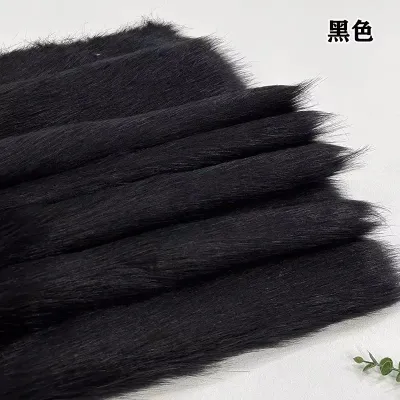
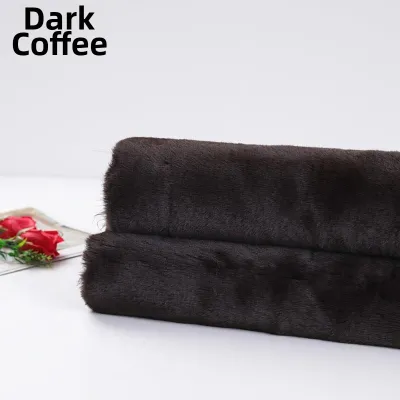
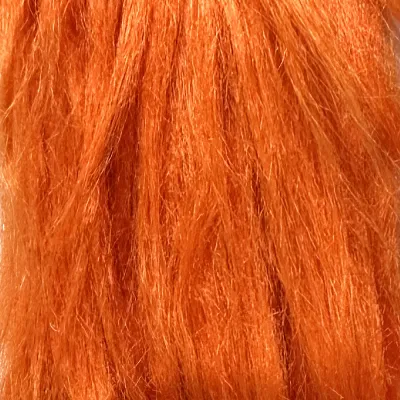
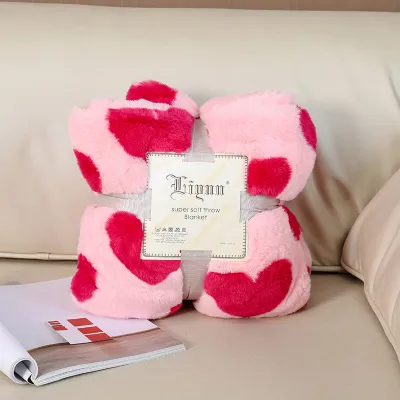
Prices are valid at publication and may change. Please refer to the product page for the latest price.
Choosing textile-based fur cloth offers several practical advantages. It is easier to handle, as it can be purchased by the meter and cut into predictable, uniform shapes. It also eliminates ethical concerns and is highly compatible with domestic sewing machines, which are not built to pierce tough animal hides.
Main Types of Fur Cloth for Sewing Projects
When shopping for fur cloth, you will encounter a wide variety of textures, weights, and fiber compositions. These fabrics are generally categorized by their pile length, density, and the structure of their backing material. Understanding these distinctions is key to selecting a fabric that matches both your design vision and your sewing machine’s capabilities.

Faux Fur (Long and Short Pile)
Faux fur is the most recognizable type of fur cloth, engineered to replicate natural animal coats. It is divided into long-pile and short-pile varieties. Long-pile faux fur features fibers that can exceed five centimeters, creating a shaggy appearance, while short-pile versions offer a controlled, sleek look resembling cropped coats.
This material is favored for winter apparel, heavy blankets, costumes, and plush toys. The long fibers provide insulation and visual depth, making them ideal for collars, cuffs, and linings. However, working with faux fur requires preparation, as the fibers shed heavily when cut, and the thick backing creates bulk at the seams.
When purchasing faux fur, it is essential to inspect the backing material. A high-quality faux fur will have a densely woven or knitted backing that prevents the pile from pulling out easily. If the backing is too loose or stretchy, the seams may warp or pull apart under the weight of the heavy pile, requiring additional stabilization during the construction process.
Plush, Minky, and Velour
Plush, minky, and velour represent a family of shorter, dense pile fabrics grouped under the fur cloth umbrella. Typically made from polyester or cotton, these materials are prized for their softness. Unlike long-pile faux fur, they feature a low, uniform pile that can be smooth, embossed, or curled.
These fabrics are popular for baby items, small toys, lightweight loungewear, and craft accents. Because the pile is short, they do not shed intensely, making them easier to cut and clean. Their soft texture is gentle against the skin, making them a staple in children’s apparel and home accessories.
However, sewists must account for the unique stretch and drape of these fabrics. Minky and velour often feature a knitted backing that provides a moderate to high degree of stretch, which can cause the fabric to shift or warp under the sewing machine foot. Using a walking foot and plenty of pins is usually necessary to keep the layers aligned and prevent uneven stretching along the seams.
Shearling, Sherpa, and Borg Fleece
Shearling, sherpa, and borg fleece mimic the curly texture of sheepskin. These fabrics feature a dual-sided structure, presenting a curly pile on the face side and a smooth, knitted, or faux-suede surface on the reverse. This allows sewists to create reversible garments or use the reverse side as an integrated lining.
Commonly used for jacket linings, throw blankets, winter accessories, and pet beds, these materials offer warmth without the weight of heavy wool. The curly texture is highly forgiving, easily hiding minor stitching imperfections. This makes it an excellent entry-point fabric for beginners experimenting with textured textiles.
The primary challenge when sewing shearling and sherpa is managing the thickness at intersecting seams. When multiple layers of curly pile are stitched together, the bulk can stall standard sewing machines or cause skipped stitches. Trimming the pile away from the seam allowances before stitching, or using a heavy-duty needle, is often required to achieve clean, flat seams and prevent damage to your equipment.
Matching Fur Cloth Types to Your Sewing Projects
Selecting the right fur cloth requires balancing aesthetic goals with the practical realities of construction. The scale of your project dictates the pile length and density. Small, detailed items like miniature plush toys or garment cuffs are ideally suited for short-pile fabrics like minky, as long-pile fibers overwhelm small patterns and obscure fine details.
Conversely, large-scale projects like statement coats, throw pillows, or costumes benefit from the volume of long-pile faux fur. The backing material must also be evaluated for stretch and stability. If your pattern requires a structured silhouette, a stable, woven-backed faux fur is necessary; if designed for knit fabrics, a stretchy sherpa or minky ensures a proper fit.
Finally, consider the overall weight and bulk of the fabric relative to your sewing pattern’s design. Patterns with complex seam lines, tight curves, or intricate closures like zippers and buttonholes can be incredibly difficult to execute with thick fur cloth. For these designs, look for low-bulk varieties or plan to substitute lighter fabrics for the inner facings and pocket bags to keep the construction manageable.
Essential Checks Before Buying and Sewing
Before purchasing your fabric or starting your project, performing a few simple quality checks can save you significant time and frustration. Begin by inspecting the backing of the fur cloth at the store or upon delivery. Gently pull on the pile fibers near the cut edge; a high-quality fabric should retain its fibers, whereas excessive shedding from the center of the fabric indicates a loose, low-quality weave that may degrade over time.
Next, verify the fabric width and calculate your yardage requirements carefully. Fur cloth is often narrower than standard cotton fabrics, and because it has a distinct “nap”—meaning the pile runs in a specific downward direction—all your pattern pieces must be cut facing the same direction. This directional cutting requires more fabric than a standard layout, so it is wise to purchase slightly more yardage than your pattern specifies.
Always review the manufacturer’s care instructions before cutting into your fabric. Most synthetic fur cloths are highly sensitive to heat, meaning they cannot be ironed or dried in a hot machine without risking permanent damage to the fibers. Understanding these maintenance limits beforehand ensures the finished item will fit the lifestyle and care capabilities of the end-user.
Lastly, prepare your sewing machine and workspace for the unique demands of heavy pile fabrics. Consult your sewing machine manual to confirm its compatibility with thick materials, and install a fresh, heavy-duty needle or a stretch needle depending on the backing fabric. Utilizing a walking foot will help feed the thick, slippery layers evenly through the machine, while polyester thread will provide the strength needed to hold the bulky seams securely.
Frequently Asked Questions (FAQ)
How do I prevent fur cloth from shedding everywhere while cutting?
To minimize the mess of loose fibers, always cut fur cloth from the backing side rather than cutting through the pile. Lay the fabric face down, trace your pattern pieces onto the backing, and use a sharp craft knife or the tips of precision scissors to slice only the backing fabric. This method leaves the long pile fibers intact on the front side, preventing them from being chopped into tiny, airborne fragments. Working in an uncarpeted area and keeping a lint roller or vacuum nearby will also make immediate cleanup much easier.
Can I wash and dry sewn fur cloth projects in a standard machine?
You must always refer to the specific manufacturer’s care label attached to your fabric bolt, as fiber compositions vary widely. Generally, synthetic fur cloths like polyester minky or acrylic faux fur can be washed on a gentle, cold cycle, but they should never be exposed to high heat. High temperatures in a dryer or from an iron can melt the delicate synthetic fibers, causing them to become permanently matted, rough, or distorted. Air drying flat or using a no-heat tumble setting is the safest way to preserve the soft texture of your finished project.
Community discussion
Share your experience or ask a question. Comments are reviewed before publication.