
Cotton string, often referred to in crafting circles as cotton yarn or cord, is a natural fiber option that brings distinct structure, breathability, and stitch clarity to knitting and crochet projects. Unlike animal fibers that trap heat, this plant-based material is highly favored for warm-weather apparel and durable household accessories. Understanding its unique physical properties—such as its lack of natural elasticity and its distinct weight—is the key to choosing the right projects and achieving a professional finish. Whether you are planning a breezy summer top suited for a tropical climate or a sturdy market bag for daily errands, cotton string offers a versatile, hard-wearing alternative to synthetic and wool fibers.
Understanding Cotton String as a Knitting Material
To work successfully with cotton string, it is essential to understand how its physical structure differs from traditional animal-based fibers like wool or synthetic options like acrylic. Wool fibers possess a natural crimp that gives them elasticity, allowing the yarn to stretch and spring back into shape easily. Cotton, on the other hand, is made of flat, twisted cellulose fibers that lack this inherent elasticity. This means that once cotton string is stretched, it does not naturally bounce back, resulting in a fabric with a heavier, more fluid drape that tends to pull downward under its own weight.
The way the cotton fibers are prepared during manufacturing also plays a significant role in how the string behaves on your needles. Mercerized cotton undergoes a chemical treatment that swells the fibers, smoothing out their surface to create a lustrous, silk-like sheen. This process increases the fiber’s strength, improves its dye absorption for vibrant colors, and reduces linting, making it highly effective for crisp stitch definition. Unmercerized cotton retains its natural matte finish, offering a softer, highly absorbent texture that feels comfortable against the skin but may appear slightly more rustic.
Products mentioned in this guide
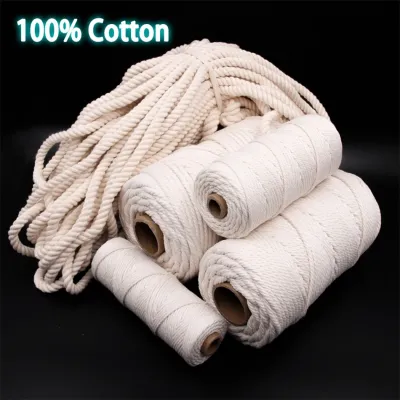
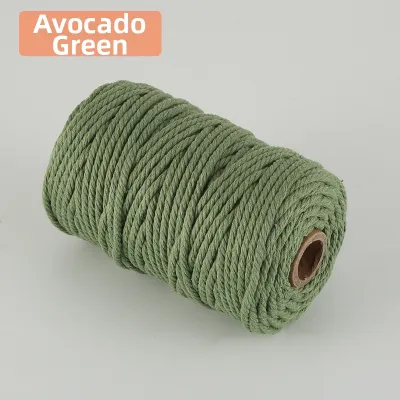
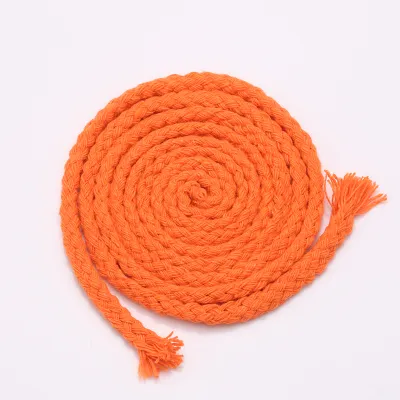
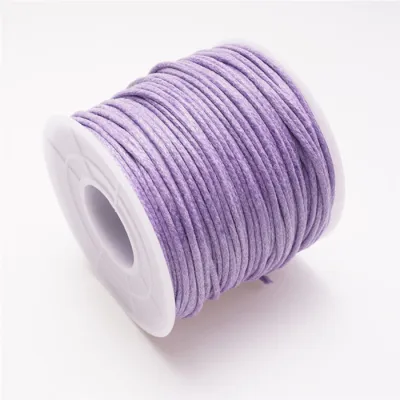
Prices are valid at publication and may change. Please refer to the product page for the latest price.
When shopping for cotton string, always inspect the yarn label to determine if you are working with a pure cotton or a blended fiber. Manufacturers frequently blend cotton with materials like bamboo, linen, or acrylic to alter its handling characteristics. A cotton-bamboo blend, for instance, introduces a silky drape and a subtle sheen, while adding acrylic can reduce the overall weight of the yarn and introduce a touch of elasticity. Checking these details on the label ensures you select a material that matches both your tactile preferences and the structural needs of your pattern.
Advantages and Limitations of Knitting with Cotton
Knitting with cotton string offers several distinct advantages, particularly for items that require durability and breathability. Because cotton is a highly breathable, moisture-wicking natural fiber, garments made from it are exceptionally comfortable to wear in hot, humid climates where wool would be stifling. Additionally, cotton is incredibly strong and actually becomes stronger when wet, allowing finished items to withstand frequent laundering and heavy daily use without wearing out. The lack of fuzzy halo on the string also ensures that intricate stitch patterns, such as lace or cables, stand out with sharp, clean definition.

Despite these benefits, cotton presents unique challenges that knitters must learn to manage. The most common issue is yarn splitting, where the individual plies of the string separate easily as you insert your needle, which can slow down your rhythm and create untidy stitches. Because cotton lacks elasticity, it does not forgive uneven tension as easily as wool does, meaning any inconsistencies in your stitches will be more visible in the final fabric. Furthermore, the lack of “give” in the fiber means your hands must do more of the work to maintain tension, which can lead to hand fatigue during long knitting sessions.
To mitigate these challenges, pay close attention to your knitting technique and tool selection. Using wooden or bamboo knitting needles is highly recommended for beginners working with cotton, as the natural texture of the wood provides a gentle grip that prevents slippery cotton stitches from sliding off too quickly. If you experience hand fatigue, try loosening your grip slightly or switching to a needle with a sharper tip to help navigate the plies without splitting them. Taking regular breaks and stretching your hands will also help you maintain a comfortable, even tension throughout your project.
Ideal Projects for Cotton String
The physical properties of cotton string make it highly suited for specific types of projects, while making it less ideal for others. Warm-weather garments are among the best applications for this fiber. Breezy summer tees, sleeveless tops, and lightweight cardigans knit from cotton allow air to circulate freely, keeping the wearer cool even in tropical heat. The heavy drape of cotton also lends itself beautifully to flowing silhouettes, making it a popular choice for relaxed-fit garments that hang elegantly off the shoulders.
Beyond apparel, cotton string is an exceptionally practical choice for household and utility items that require structural integrity and frequent washing. Dishcloths, hand towels, coasters, and placemats benefit immensely from cotton’s high absorbency and ability to withstand hot water washes. For market bags and tote bags, the strength of cotton string ensures that the straps and body can carry heavy groceries without tearing, though you should choose a dense stitch pattern to minimize sagging.
Conversely, pure cotton is generally unsuitable for projects that rely on elasticity or insulation. Winter garments like thick sweaters, snug beanies, and fitted ribbed cuffs require the springiness of wool to hold their shape and trap warm air close to the body. Similarly, pure cotton is not recommended for classic winter socks, as the lack of stretch recovery means the socks will quickly sag around the ankles and retain moisture rather than keeping feet dry and warm.
How to Choose and Prepare Cotton String for Your Project
Before starting your project, establishing a systematic preparation routine will save you from unexpected results after washing. Begin by thoroughly reviewing the yarn label to verify key specifications. Check the yarn weight (such as fingering, sport, or worsted) to ensure it matches your pattern’s requirements, and note the total yardage to confirm you have purchased enough of the same dye lot. The label will also provide essential care instructions, indicating whether the cotton can be machine-washed and dried or if it requires gentle hand-washing and flat drying.
Knitting and blocking a gauge swatch is an indispensable step when working with cotton string. Because cotton is heavy and inelastic, a finished garment can stretch significantly under its own weight once it is washed or worn. By knitting a swatch, washing it according to the label instructions, and laying it flat to dry, you can observe exactly how the fabric behaves. Measure the stitches before and after washing to determine if the fabric grows or sags, allowing you to adjust your needle size or pattern measurements accordingly before committing to the full project.
Finally, always test your cotton string for colorfastness, particularly if you are planning a multi-colored project that pairs dark or vibrant shades with white or cream. Cotton fibers do not always hold dyes as tightly as animal fibers, which can lead to excess dye bleeding during the first wash. To test this, snip a small length of the colored string, soak it in warm water, and press it against a white paper towel or scrap fabric. If any color transfers, you may need to wash the yarn skeins individually or use a commercial color-fixative before casting on your project.
Frequently Asked Questions (FAQ)
Does cotton string stretch out of shape after washing?
Yes, cotton garments have a tendency to stretch out of shape, primarily because the fiber lacks natural elasticity and becomes very heavy when wet. When a wet cotton garment is hung up to dry, gravity pulls the water downward, stretching the stitches and causing the item to sag or grow in length. To prevent this, always dry your cotton knits flat on a clean towel or drying rack, shaping them gently to their original dimensions. You can also design your garments with structural seams along the sides and shoulders, which act as a supportive framework to help the fabric hold its shape over time.
Can I use cotton string for amigurumi or stuffed toys?
Cotton string is a practical choice for amigurumi and stuffed toys due to its durability, washability, and lack of fiber halo. The smooth surface of the string creates crisp, clear stitches that highlight detailed features, and the finished toy can easily be tossed in the washing machine when it gets dirty. However, because cotton has no stretch, you must maintain a very tight, consistent tension to ensure there are no gaps between your stitches where the stuffing could peek through. Using a hook or needle size that is slightly smaller than recommended for the yarn weight will help you achieve the dense, firm fabric needed for a long-lasting toy.
Community discussion
Share your experience or ask a question. Comments are reviewed before publication.