
Catona yarn is a highly regarded 100% mercerized cotton yarn produced by the Scheepjes brand, widely recognized for its smooth texture, subtle luster, and extensive color palette. It typically falls under the fingering or light sport weight category, making it a favorite for detailed crochet and knitting projects like amigurumi, delicate garments, and home decor. Choosing the right yarn requires understanding how its material composition, weight classification, and physical properties behave during crafting and after washing.
This guide breaks down the technical specifications and practical performance of this mercerized cotton yarn. By examining its physical structure, weight metrics, and care requirements, you can determine if it is the correct tool for your next creative project.
Understanding Catona Yarn and Its Crafting Reputation
Catona has established a strong reputation among global crafting communities as a reliable, high-quality utility yarn. It is particularly celebrated by crochet enthusiasts who specialize in multi-colored designs, intricate stitch patterns, and structured toys. Rather than positioning itself as a luxury novelty fiber, it serves as a highly consistent, durable workhorse yarn designed for precision and longevity.
Products mentioned in this guide
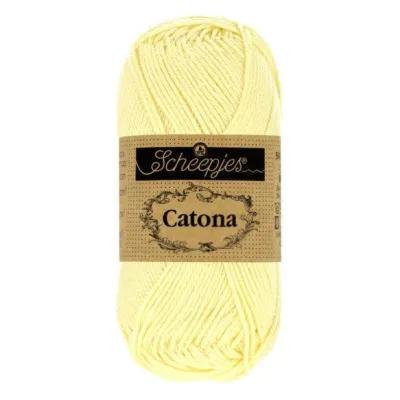
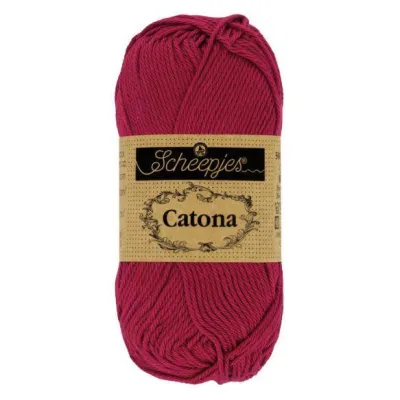
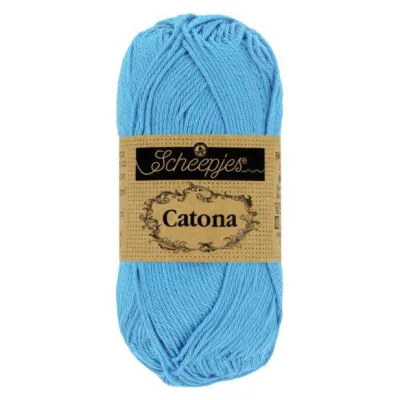
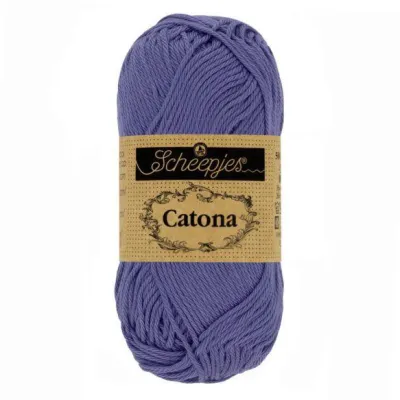
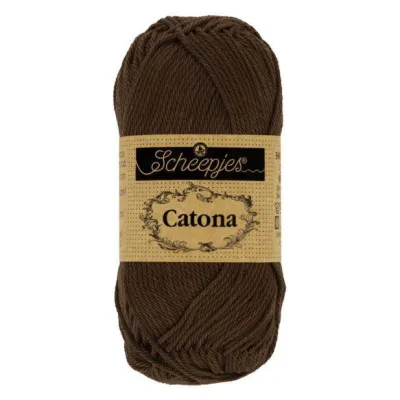
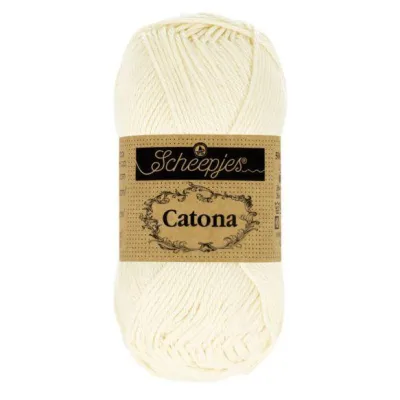
Prices are valid at publication and may change. Please refer to the product page for the latest price.
One of the primary drivers of its popularity is its extensive color range, which often features over 100 distinct shades. This massive spectrum allows crafters to execute complex gradient work, colorwork motifs, and precise color matching for character designs. The consistency of the dye lots ensures that transition projects maintain visual harmony from start to finish.
For crafters living in warm, humid climates like Singapore, Catona is an exceptionally practical choice. Unlike heavy wools or heat-trapping acrylics, this breathable cotton fiber remains comfortable to work with during hot seasons and produces lightweight, wearable items. It represents a specific category of structured, polished cotton that prioritizes stitch clarity over fluffy warmth.
Material Breakdown: How Mercerized Cotton Behaves
To understand how Catona performs, it is essential to look at its core material: 100% mercerized cotton. Mercerization is an industrial treatment process where cotton fibers are exposed to a sodium hydroxide solution under tension. This chemical bath alters the physical structure of the cotton cell walls, causing the flat, twisted natural fibers to swell and round out into smooth, straight cylinders.

This structural transformation significantly changes how the finished yarn behaves compared to standard, unmercerized cotton:
- Surface Texture: The process removes the microscopic surface fuzz (or hairiness) typical of raw cotton, resulting in an exceptionally smooth thread that glides easily over hooks and needles.
- Luster: Because the fibers are rounded and straightened, they reflect light more uniformly, giving the yarn a subtle, silk-like sheen rather than a matte finish.
- Tensile Strength: Mercerization strengthens the cotton fibers, making the yarn highly resistant to fraying, splitting, and tearing under tension.
- Dye Affinity: The treated cell walls absorb pigments much more deeply, allowing the yarn to achieve vibrant, highly saturated colors that resist fading over time.
In contrast, unmercerized cotton is softer, fluffier, and highly absorbent, which makes it ideal for utility items like dishcloths or cozy, relaxed garments. Mercerized cotton, however, is firmer and more structured, making it the superior choice when you want your stitches to look crisp and hold their shape. When purchasing, always verify the exact fiber content and any safety or environmental certifications (such as OEKO-TEX Standard 100) directly on the product label, as material names alone do not guarantee specific performance or chemical safety standards.
Yarn Weight Classification and Choosing the Right Size
Catona is globally classified as a Fine weight yarn, commonly referred to as Fingering weight or 4-ply in various regional systems. However, because yarn weight terminology can vary significantly between manufacturers and countries, crafters must look beyond generic category names and verify the technical metrics printed directly on the yarn band.
When examining the label, pay close attention to these key specifications:
- Recommended Needle and Hook Sizes: The manufacturer typically recommends using a 2.5 mm to 3.5 mm knitting needle or crochet hook.
- Gauge and Tension: A standard 10×10 cm tension square generally requires approximately 26 stitches and 36 rows of stockinette stitch using 2.5 mm needles.
- Yardage and Meterage: A standard 50-gram ball provides approximately 125 meters (about 137 yards) of yarn.
This yarn is uniquely packaged in multiple sizes, including standard 50-gram balls, 25-gram balls, and ultra-portable 10-gram mini balls. Selecting the correct ball size is an essential step in project planning.
Mini balls are highly efficient for small-scale projects like amigurumi, embroidery accents, or multi-colored granny squares, as they allow you to acquire dozens of colors without investing in excess yardage. For larger, single-color sections or garments, opting for the 50-gram balls minimizes the number of yarn joins, reducing the time spent weaving in loose ends and ensuring a cleaner finished fabric. Always check that the dye lot numbers match on all larger balls to prevent subtle color pooling or shading variations across your work.
Key Characteristics: Sheen, Drape, and Stitch Definition
Evaluating the physical properties of mercerized cotton helps clarify how your finished object will look, feel, and wear over time. The structural changes introduced during manufacturing directly influence several critical performance areas.
Stitch Definition
Because the yarn has a smooth, low-fuzz surface, there is no halo of loose fibers to blur the boundaries of your stitches. This results in incredibly sharp, geometric stitch definition. Complex stitch patterns—such as cables, textured ribs, puff stitches, and intricate lace—stand out with extreme clarity, making every movement of your hook or needle visible.
Sheen and Color
The mercerized finish gives the yarn a polished, sophisticated luster. This subtle sheen reflects light beautifully across the fabric, elevating simple stitch patterns into elegant textures. Because the dye penetrates deeply into the rounded fibers, the colors are remarkably rich and saturated, maintaining their depth even after multiple washes.
Drape and Weight
Cotton is naturally denser and heavier than animal fibers like wool or synthetic fibers like acrylic. While this density provides a lovely, fluid, and swingy drape for summer tops, shawls, and curtains, it also means the fabric can stretch downward under its own weight. Large, heavy garments may sag or lose their vertical shape if the stitch pattern is too loose or unsupported.
Elasticity
Unlike wool, which possesses a natural crimp that allows it to spring back into shape, cotton has almost no natural elasticity or “memory.” When stretched, it does not easily bounce back. This lack of give requires consistent tension control while crafting and means that form-fitting garments may stretch out permanently during wear, requiring careful washing to restore their original dimensions.
Ideal Projects and Limitations Based on Fiber Properties
Matching Catona’s unique physical properties to the right project type is key to achieving a successful outcome. Some designs thrive under the yarn’s structural rigidity, while others are poorly suited to its lack of elasticity.
Best Uses:
- Amigurumi: The stiff, low-stretch nature of the yarn allows you to crochet tight, neat stitches that hold heavy stuffing without stretching open or letting the filling show through.
- Home Decor: Coasters, table runners, placemats, and delicate doilies benefit from the yarn's durability, heat resistance, and clean, flat finish.
- Bags and Accessories: Market bags, pouches, and bookmarks hold up well to daily friction and carry weight securely when worked at a tight gauge.
- Lightweight Summer Wear: Breathable, cool-to-the-skin items like sleeveless tops, light cardigans, and baby garments are ideal for warm climates, offering comfortable wear without overheating.
Limitations:
- Winter Wear: Avoid using this yarn for warm beanies, thick winter scarves, or heavy sweaters, as cotton lacks the insulating properties needed to trap body heat.
- High-Stretch Items: It is not suitable for form-fitting socks, activewear, or ribbed cuffs that must repeatedly stretch and snap back into place.
- Fuzzy Textures: If a pattern calls for a cozy, brushed, or haloed look, this slick, structured yarn will feel too rigid and smooth.
Ultimately, project success depends on your individual tension, your choice of hook or needle material (wood or bamboo hooks can help control slippery cotton, while metal hooks offer speed), and the specific requirements of your pattern.
Washing, Blocking, and Long-Term Care Guidelines
To preserve the polished sheen, vibrant color, and structural integrity of your finished mercerized cotton items, you must follow safe, reversible maintenance steps. Improper washing or drying can permanently distort the shape of cotton fabric.
When cleaning your finished items, wash them on a gentle cycle in cool or lukewarm water (not exceeding 40°C) inside a mesh laundry bag to protect the stitches from snagging on washing machine hardware. Use a mild, pH-neutral detergent and avoid bleach or harsh fabric softeners, which can degrade the mercerized finish over time.
Never hang a wet cotton item to dry. The weight of the water trapped in the fibers will pull the garment downward, permanently stretching it out of shape. Instead, gently press out excess water by rolling the item in a clean, dry towel (do not wring or twist the fabric), then lay it completely flat on a drying rack or foam blocking mats in a shaded, well-ventilated area.
Wet blocking is highly recommended for cotton lace, garments, and individual motifs. Soak the finished piece in cool water, gently squeeze out the moisture, pin it to the precise dimensions specified in your pattern on blocking mats, and allow it to air-dry completely. This process relaxes and evens out your stitches, opening up lace patterns beautifully.
Avoid applying high-heat irons directly to the yarn, as excessive dry heat can scorch the cotton fibers and dull the mercerized sheen. If pressing is necessary to remove stubborn creases, use a low-to-medium heat setting, always place a damp pressing cloth between the iron and the item, and carefully verify the care symbols printed on the yarn label before proceeding.
Frequently Asked Questions (FAQ)
Is Catona yarn suitable for absolute beginners?
Catona offers both advantages and challenges for those new to knitting or crochet. On the positive side, its smooth, fuzz-free surface provides excellent stitch visibility, making it easy to see exactly where to insert your hook or needle, and it does not easily split or snag. However, cotton’s complete lack of elasticity means that any inconsistencies in your tension will be immediately visible in the finished fabric. Working with inelastic yarn can also tire out beginner hands more quickly than springy fibers like acrylic or wool. If you are a beginner, start with small, low-stakes projects like coasters, dishcloths, or simple amigurumi shapes to build your muscle memory and tension control before attempting complex garments.
Does mercerized cotton shrink or bleed in the wash?
While the mercerization process pre-shrinks the cotton fibers and enhances dye fastness, slight shrinkage can still occur if the finished item is washed in hot water or dried in a high-heat tumble dryer. Additionally, highly saturated or dark colors—such as deep reds, dark blues, and blacks—may occasionally experience minor dye bleeding during their first few washes. To prevent ruining a multi-colored project, always craft a small gauge swatch using all the planned colors, wash and block it exactly as you intend to care for the final item, and lay it on a white paper towel while wet. This simple test allows you to verify colorfastness and check for shrinkage before investing hours of work into your project.
Community discussion
Share your experience or ask a question. Comments are reviewed before publication.