
A thread zapper is a specialized, compact cutting tool designed to trim loose threads, jump stitches, and fabric tails with extreme precision. Whether you need one depends entirely on your sewing habits: if you frequently tackle high-volume machine embroidery, intricate quilting, or detailed applique, this tool can save you significant time and hand strain. However, if your projects are limited to casual garment construction or basic mending, your trusty pair of manual sewing snips or embroidery scissors will serve you perfectly well without the added expense or maintenance.
What Exactly Is a Thread Zapper?
To understand if this tool belongs in your sewing basket, it helps to clarify what it is and how it operates. In the sewing and crafting world, the term “thread zapper” can refer to two distinct types of tools: battery-operated micro-trimmers and heated thread burners. Battery-operated micro-trimmers use tiny, rapidly moving mechanical blades to shear threads close to the fabric surface. Heated thread burners, on the other hand, use a small, battery-heated tip to melt synthetic threads like nylon or polyester. While heated burners are highly popular in beadsmithing, leatherwork, and jewelry making to seal thread ends, sewing and embroidery enthusiasts typically prefer motorized micro-trimmers to avoid scorching or melting delicate fabrics.
The primary function of a sewing thread zapper is to quickly snip jump stitches, loose threads, and bobbin tails without requiring you to shift or lift the fabric. When working on complex embroidery designs, threads often jump across different sections of the pattern, leaving a web of loose strands. A micro-trimmer allows you to glide over the fabric surface and clip these strands flush to the base material.
Products mentioned in this guide
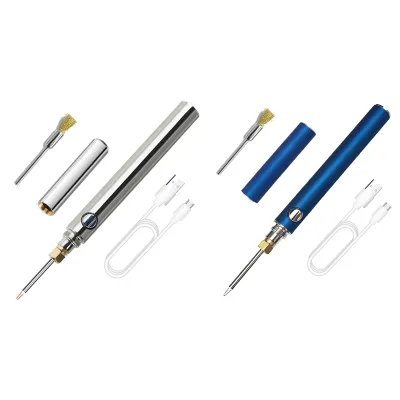
Prices are valid at publication and may change. Please refer to the product page for the latest price.
Most modern thread zappers are designed with safety and convenience in mind. They frequently feature retractable blades or protective guards to prevent the cutting edge from making direct contact with your fingers or the base fabric. Many models also include built-in LED lights to illuminate the immediate workspace, making it easier to see fine threads in shadowed areas, along with protective caps to keep the blades safe when stored in your sewing kit.
Thread Zapper vs. Regular Scissors: Comparing Your Options
When deciding between a thread zapper and traditional sewing scissors, evaluating the practical trade-offs in speed, precision, ergonomics, and control is essential. Traditional embroidery scissors require a manual squeezing motion for every single cut. If you are clearing dozens of jump stitches from a large machine embroidery design, this repetitive motion can quickly become tedious and slow down your workflow. A motorized thread zapper cuts instantly upon contact or with a light button press, significantly increasing your efficiency when cleaning up complex designs.

Precision and visibility in tight spaces also differ greatly between these tools. Even the finest curved embroidery scissors have relatively long blades and handles that can block your line of sight, especially when working inside a deep embroidery hoop or near dense, raised stitching. A thread zapper features a highly compact, pen-like body and a tiny cutting head, allowing you to maintain a clear view of the exact thread you want to cut without obstructing your light source.
From an ergonomic perspective, a thread zapper offers substantial relief for sewists who experience hand fatigue, cramping, or joint pain. Repetitive snipping with manual scissors puts continuous pressure on the thumb and fingers. In contrast, the lightweight, button-activated design of an electronic trimmer requires minimal physical effort, making long finishing sessions much more comfortable.
However, manual scissors hold a distinct advantage when it comes to tactile feedback and fabric safety. When using traditional snips, you can feel the tension of the thread and the resistance of the fabric before you make a cut, allowing you to halt if you accidentally catch the base material. A motorized zapper cuts so quickly that there is virtually no tactile warning; a slight slip or an incorrect angle can slice through your base fabric before you have time to react, potentially ruining hours of work.
Signs a Thread Zapper Fits Your Sewing Workflow
Adding a thread zapper to your collection is highly beneficial if your sewing habits involve high-volume, detail-oriented projects. Machine embroidery enthusiasts, free-motion quilters, and those who do intricate applique work often find themselves spending almost as much time trimming threads as they do sewing. If your projects involve dense patterns with frequent color changes, a specialized trimmer can streamline your post-sewing cleanup and keep your creative momentum going.
Another clear sign you could benefit from a zapper is constant frustration when maneuvering bulky scissors around delicate, hooped, or heavily layered fabrics. When fabric is stretched tight in an embroidery hoop, the raised edges of the hoop make it difficult to position traditional scissors flat against the material. A slim, vertical thread zapper can easily slip into these tight boundaries, allowing you to trim threads cleanly without distorting the tension of the hooped fabric.
Physical comfort is also a major deciding factor. If you find your hands aching, stiff, or cramped after a session of manual trimming, investing in an ergonomic electronic tool is a practical step to protect your joints. Reducing the physical strain of repetitive snipping allows you to enjoy longer, more comfortable crafting sessions.
Finally, if you value workflow continuity and speed, a thread zapper is an excellent asset. Instead of stopping to pick up, position, and squeeze scissors every few minutes, you can keep the lightweight zapper close at hand to quickly clear away stray threads, maintaining a clean and organized workspace as you sew.
When Regular Scissors Are Enough (and When to Skip the Zapper)
Despite the convenience of a thread zapper, there are many scenarios where traditional scissors are not only sufficient but actually superior. If your sewing projects primarily consist of casual garment construction, general mending, or basic home decor items like curtains and cushions, you rarely have to deal with dense jump stitches. For these tasks, standard sewing snips or thread cutters built into your sewing machine provide more than enough control and efficiency without the need for an extra electronic gadget.
Working with highly delicate, slippery, or sheer fabrics—such as silk, chiffon, fine organza, or lightweight satin—is another situation where you should skip the zapper. These materials are incredibly unforgiving, and the slight vibration of a motorized trimmer can cause the fabric to shift. The absolute precision and physical feedback of sharp, manual embroidery scissors are essential to ensure you do not accidentally snag or slice the delicate weave of these premium textiles.
Budget and tool redundancy are also important considerations. High-quality sewing tools can accumulate quickly, and if you are an occasional or low-volume sewist, spending S$20 to S$50 on a specialized electronic trimmer may not be a practical investment. A pair of well-maintained, sharp manual snips can perform the same basic function for a fraction of the cost, without requiring storage space for extra accessories.
Lastly, electronic trimmers come with their own maintenance demands. They require regular battery replacements or recharging, which can be inconvenient if the tool loses power in the middle of a project. The added weight of the batteries and the learning curve associated with mastering a new grip style can also make a zapper feel more cumbersome than helpful for those who prefer the simple, reliable utility of traditional hand tools.
How to Choose the Right Thread Trimmer for Your Needs
If you decide that a thread zapper is a valuable addition to your sewing room, selecting the right model involves evaluating several key specifications. First, consider the blade style, size, and clearance. Look for a trimmer with a fine, narrow tip that can easily slide under tight threads without digging into the base fabric. It is also wise to verify the blade’s compatibility with the thread weights you use most frequently, as some micro-trimmers are optimized for fine embroidery threads and may struggle with heavy-duty upholstery or quilting threads.
Power source options are another critical factor to consider. Some models run on replaceable AA or AAA batteries, which are convenient because you can swap them out instantly to keep working. Other models feature built-in rechargeable lithium-ion batteries, which are more environmentally friendly and offer consistent cutting power, though you will need to monitor the manufacturer’s runtime specifications to ensure the battery life aligns with your sewing habits. In humid climates like Singapore, battery maintenance is especially important; if you plan to store your tool for an extended period, choosing a model with easily removable batteries can prevent damage from battery leakage.
Ergonomics and physical design should also guide your choice. Pay close attention to the overall weight of the tool and the placement of the activation button. The grip should feel comfortable and secure in your hand, and the button should be positioned so that you can press it naturally without straining your fingers or wrist during extended use.
Finally, prioritize safety features and maintenance requirements. Ensure the trimmer has a reliable safety lock or a secure protective cap to prevent accidental activation when stored in a drawer or sewing basket. Always review the product labels and manufacturer instructions to understand the maintenance routine, such as how to clean out lint, how to replace worn blades, and whether the tool requires occasional oiling to keep the mechanism running smoothly.
Frequently Asked Questions (FAQ)
Can a thread zapper accidentally cut my fabric?
Yes, there is a risk of accidentally cutting your fabric if the tool is used at an incorrect angle or pressed too firmly against the material. While many thread zappers feature protective guards or recessed blades to minimize this risk, they cut very quickly and lack the tactile feedback of manual scissors. To prevent damage, always test the trimmer on a scrap piece of the same fabric and thread combination first, and guide the tool gently parallel to the fabric surface rather than pushing down into it.
Are thread zappers suitable for left-handed sewers?
Many thread zappers feature symmetrical, pen-like bodies that are inherently ambidextrous, making them comfortable for both right- and left-handed users. However, the placement of the activation button or safety switch can vary between models, which may affect how easily you can operate the tool with your left hand. Before purchasing, carefully check the product specifications and grip contours to ensure the button placement allows for comfortable, one-handed operation.
How do I maintain and clean a thread zapper?
To keep your thread zapper operating safely and efficiently, regularly clean the blade area using a small, soft brush to remove accumulated lint, fiber dust, and thread fragments. If your model uses replaceable batteries, always remove them before storing the tool for an extended period to prevent corrosion and leakage, which is especially common in humid environments. Always refer to the manufacturer’s care instructions for specific guidelines on blade replacement, cleaning, and lubrication.
Community discussion
Share your experience or ask a question. Comments are reviewed before publication.