
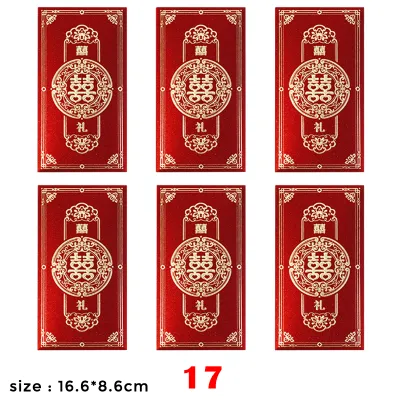
The ideal size of a wedding red packet (commonly known as ang pow in Singapore) depends directly on the Singapore Dollar (SGD) denominations you plan to gift and your preferred method of folding the bills. For a premium, pristine presentation where notes lie completely flat and unfolded, you will need a long or jumbo packet measuring at least 165 mm to 170 mm in length. If you prefer to fold the notes in half, a standard medium envelope (approximately 115 mm to 120 mm long) is highly versatile and fits easily into small purses or suit pockets. Choosing the wrong size can lead to bent edges, unsightly bulges, or torn seams, which detracts from the elegant aesthetic expected at a wedding celebration.
To select the right stationery, you must balance the physical dimensions of the currency, the thickness of the cash stack, and the structural design of the envelope itself. By understanding how paper weight, pocket depth, and folding styles interact, you can ensure your gift is both secure and beautifully presented.
Understanding Standard Red Packet Sizes and Capacities
Red packets are available in several standard sizes, but their physical capacities vary significantly based on their construction. The most common category is the standard medium packet, which typically measures around 115 mm to 120 mm in length and 80 mm in width. This size is designed for folded bills and is highly portable, making it a popular choice for guests who want a compact envelope. The second major category is the long or large packet, usually measuring between 165 mm and 170 mm in length and 85 mm to 90 mm in width. This size is engineered specifically to hold most major currency notes flat without any folding. Finally, jumbo or extra-large packets exceed 180 mm in length and are often used for exceptionally large denominations, multi-bill stacks, or highly ornate designs that feature thick cardboard backings.
Products mentioned in this guide
![[SG READY STOCK] Premium Wedding Red Packet | Double Happiness Angbao | Angpao/Angpow/Hongbao | 6pcs/Pack 结婚红包 双喜 喜字红包](https://img.lazcdn.com/g/p/ec9df034dec8ee51e6a720c9cd3b9fb9.jpg_400x400q80.jpg_.webp)

Prices are valid at publication and may change. Please refer to the product page for the latest price.
When selecting a packet, dimensions alone do not tell the whole story. The depth of the pocket—the actual space available inside once the side seams are glued—and the length of the flap are critical for securing the cash inside. A shallow pocket combined with a short flap offers very little overlap, meaning the flap can easily slip out of its slot if the envelope is packed to its limit. In contrast, envelopes with deep pockets and long, tapering flaps provide a much more secure closure, even when holding multiple bills.
You must also distinguish between flat envelopes and those with expandable sides or gussets. Flat envelopes are made from a single sheet of paper folded and glued along the edges, offering virtually no depth. They are ideal for one to five crisp notes but struggle with thicker stacks. Gusseted envelopes feature folded side panels that expand outward, allowing them to accommodate thick stacks of ten or more bills without warping the front face of the packet.
Before purchasing wedding red packets in bulk, always check the physical length of your largest intended bill against the internal dimensions of the envelope. Many premium packets feature decorative borders, inner linings, or heavy foil stamping that can reduce the usable internal space by several millimeters. A quick measurement prevents the frustration of discovering your notes are slightly too long for the flap to close cleanly.
Matching Packet Sizes to Singapore Dollar Denominations
Singapore Dollar (SGD) notes present a unique challenge because they do not share a uniform size. Instead, SGD notes increase in physical length and width as their denomination rises. For example, a S$2 note measures 126 mm by 63 mm, a S$10 note measures 141 mm by 66 mm, a S$50 note measures 156 mm by 74 mm, and a S$100 note measures 162 mm by 77 mm. If you are gifting a S$50 or S$100 note flat, a standard medium packet is physically too short. You must use a long packet of at least 165 mm in length to ensure the note fits comfortably without its edges curling or sticking out of the top.

Standard medium packets are perfectly suited for smaller denominations, such as S$2, S$5, or S$10 notes, provided they are folded. If you are preparing a multi-note gift consisting of several smaller bills to reach a specific auspicious total, folding them in half allows them to fit neatly into these compact envelopes. However, if your gift includes a mix of denominations, you should always select your packet size based on the physical dimensions of the largest note in the stack.
Gifting high-value denominations like S$50 or S$100 flat is widely considered the standard for premium wedding presentations, as it preserves the crisp, unblemished look of the currency. To achieve this, verify that the envelope’s internal width is at least 80 mm to accommodate the 77 mm height of a S$100 note. Trying to force a S$100 note into a narrow flat packet will cause the paper to bow, making it difficult to slide the note out and potentially causing the envelope seams to split during handling.
If you are gifting a S$1000 note (which, while no longer actively printed, is still legal tender and occasionally gifted at high-profile weddings), it measures a substantial 170 mm by 82 mm. For these rare and highly valuable gifts, standard long packets are often too tight. You must source specialized jumbo or extra-large red packets measuring at least 180 mm by 90 mm to guarantee a safe, flat fit.
Adjusting Your Choice Based on Bill Folding Styles
The way you fold your cash directly dictates the required length, width, and thickness of your wedding red packet. Different folding styles offer distinct visual presentations and carry practical trade-offs regarding pocket capacity.
Unfolded and Flat Presentation
An unfolded presentation is the most elegant and formal option for wedding gifts. It requires a long or jumbo packet (at least 165 mm long) so the notes can lie completely flat. This style showcases the pristine, crisp condition of new notes, which is highly valued in traditional wedding customs. The primary trade-off is the physical size of the envelope, which requires a larger handbag or an inside jacket pocket to carry without bending. To ensure a secure flat presentation, look for packets made from heavy-weight paper (120gsm or higher) that resist bending and protect the notes from creasing.
Folded in Half
Folding bills in half is the most common and versatile method. By folding a S$50 or S$100 note once down the center, its length is halved to approximately 78 mm or 81 mm, respectively. This allows the folded notes to fit comfortably inside a standard medium packet (115 mm by 80 mm). This method keeps the cash stack relatively thin, allowing you to fit up to five or six folded notes without creating excessive bulk. It is an excellent middle ground that balances portability with a neat, organized appearance.
Folded in Thirds or Quarters
When you only have standard-sized or small square packets on hand but need to fit larger S$50 or S$100 notes, folding them into thirds (tri-fold) or quarters becomes necessary. This style reduces the footprint of the cash significantly, allowing it to fit into highly compact or decorative square envelopes. However, folding a bill multiple times dramatically increases the thickness of the stack. A stack of five bills folded in quarters behaves like twenty layers of paper, which can easily overstuff a flat envelope, causing the sides to bulge and the flap to pop open.
Rolled and Creative Presentations
Rolling bills into tight cylinders is occasionally used for creative, artistic presentations or when gifting cash inside specialized cylindrical red packets or small box-style containers. While visually unique, rolled cash requires a very different type of container. Standard flat paper packets are entirely unsuitable for rolled bills because the cylindrical shape creates extreme localized pressure. If you choose to roll your cash, you must use wide packets with deep pockets, rigid cardboard constructions, or envelopes with secure mechanical closures (such as a button-and-string or a heavy magnetic flap) to prevent the cash from unrolling and bursting the packet open.
Handling Thick Stacks and Multiple Bills
When a wedding gift consists of a large number of bills—such as ten or more notes to reach a specific auspicious number—the cumulative thickness becomes the primary challenge. Standard flat paper envelopes are designed to hold only a few flat notes. Attempting to stuff ten or more bills into a standard flat packet will stretch the paper, strain the glued side seams, and prevent the flap from tucking in securely. This increases the risk of the packet bursting open during transit or when handed over at the reception desk.
To handle bulky cash gifts safely, look for wedding red packets designed with built-in gussets or expandable side panels. These specialized envelopes are constructed with accordion-style folds along the sides and bottom, allowing the packet to expand uniformly as more bills are added. This structural feature ensures the front and back faces of the envelope remain flat and unwrinkled, preserving the elegant appearance of the design.
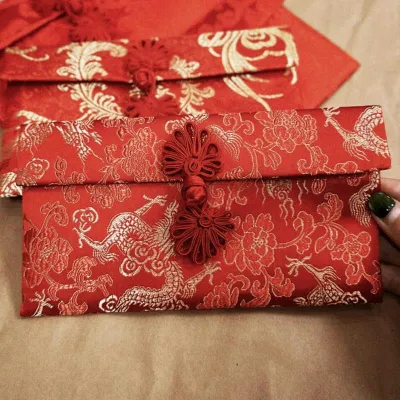
Material selection is equally critical when dealing with thick stacks. Standard red packets are often made from thin 80gsm paper, which tears easily under tension. For multiple bills, prioritize packets made from heavy-weight paper (150gsm or more), hardcover cardstock, rigid cardboard, or luxury fabrics like silk, brocade, or felt. These rigid materials maintain their structural integrity, protect the cash from bending, and offer a highly premium tactile experience.
Before inserting a thick stack of bills into your chosen packet, bind the notes together using a clean rubber band or a decorative paper ribbon. Binding the stack compresses the air out from between the bills and holds them in a tight, uniform block. This simple step significantly reduces the outward pressure on the envelope’s seams, making it much easier to slide the stack into the pocket and secure the flap without warping the paper.
Frequently Asked Questions (FAQ)
Can I put coins in a standard wedding red packet?
Gifting coins in a standard paper wedding red packet is highly discouraged. Coins are heavy, create uneven lumps, and can easily tear thin paper envelopes during handling. Furthermore, because standard red packets rely on simple tuck-in flaps rather than airtight seals, coins can easily slip out of the corners or sides of the envelope and get lost. If your wedding gift must include coins for symbolic or cultural reasons, avoid standard paper packets. Instead, opt for rigid gift boxes, small fabric drawstring pouches, or heavy-duty brocade red packets that feature secure zipper or snap-button closures.
Do I need to seal the red packet if the cash fits tightly?
If a thick stack of cash fits tightly and forces the flap of the red packet to bow or pop open, you must secure it to prevent the contents from falling out. However, you should never use liquid school glue or wet adhesives, as the liquid can seep through the paper and permanently warp, stain, or stick to the currency notes inside. Instead, use a small piece of double-sided tape, a decorative sticker, or a specialized adhesive dot to secure the flap. Before writing your well-wishes on the packet, perform a quick trial with your pen on a hidden area of the flap to ensure the ink dries quickly and does not smudge on the envelope’s surface.
Community discussion
Share your experience or ask a question. Comments are reviewed before publication.