
Selecting the right wedding angbao (red packet) in Singapore is a blend of etiquette, presentation, and practicality. To ensure your monetary gift remains pristine and flat, you must choose an envelope that accommodates Singapore Dollar (SGD) notes without folding them. Standard rectangular wedding angbaos with internal dimensions of at least 168 mm in length and 82 mm in width are the ideal choice, as they easily fit the most common wedding gift denominations—such as the $50 and $100 notes—without creasing. While compact or mini-envelopes are widely available, they require folding the cash, which can detract from the crisp presentation of newly issued notes. Understanding the physical specifications of both the envelopes and the banknotes ensures a smooth, elegant presentation on the couple’s special day.
Understanding Standard Wedding Angbao Dimensions
When browsing stationery shops or online marketplaces in Singapore, you will encounter three primary categories of wedding angbaos. Standard rectangular envelopes are the traditional default for cash gifts. They are designed to mirror the shape of modern banknotes, allowing bills to lie completely flat. Mini or compact envelopes are smaller, often square or short rectangles, measuring around 80 mm to 110 mm. These are frequently used for smaller tokens, coins, or voucher slips, rather than substantial cash gifts, as they cannot accommodate full-sized notes flat. Square or jumbo envelopes represent the premium end of the spectrum. These are designed for bulky presentations, multiple thick stacks of notes, or custom greeting cards that accompany the monetary gift.
A common pitfall when buying a wedding angbao is failing to distinguish between outer dimensions and inner usable dimensions. The outer dimensions represent the total physical footprint of the envelope, including any decorative borders, external seams, or extended flaps. The inner usable dimensions, however, represent the actual pocket space available to hold the cash. Glue lines along the side seams, fold-over bottom flaps, and internal paper dividers can easily reduce the usable interior length by 5 mm to 10 mm and the height by 3 mm to 5 mm.
Products mentioned in this guide
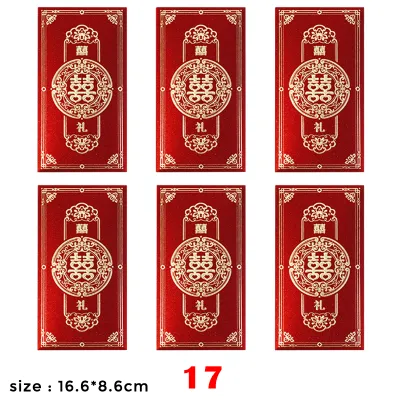
![[SG READY STOCK] Premium Wedding Red Packet | Double Happiness Angbao | Angpao/Angpow/Hongbao | 6pcs/Pack 结婚红包 双喜 喜字红包](https://img.lazcdn.com/g/p/bab2e4cccee50396ed85cb0242a6d92c.jpg_400x400q80.jpg_.webp)
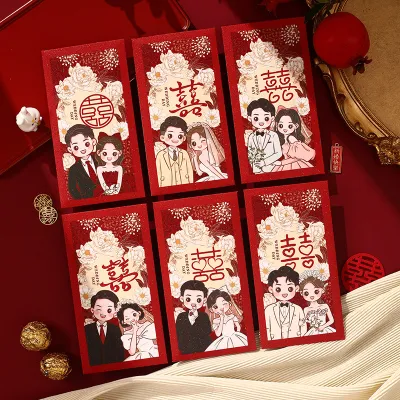
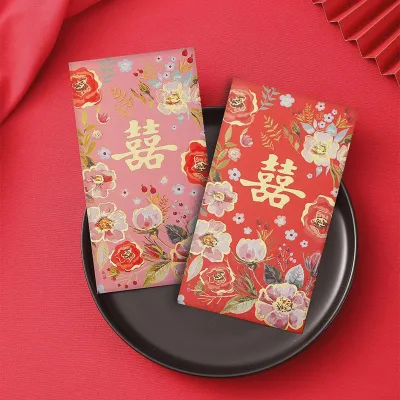
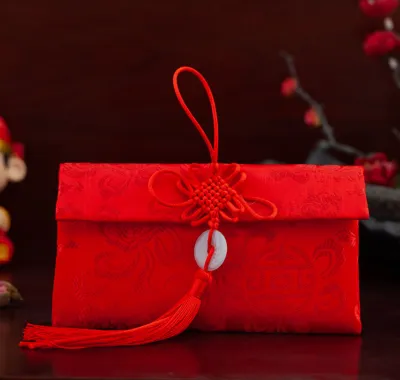
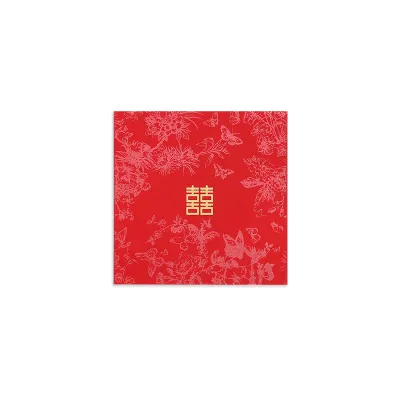
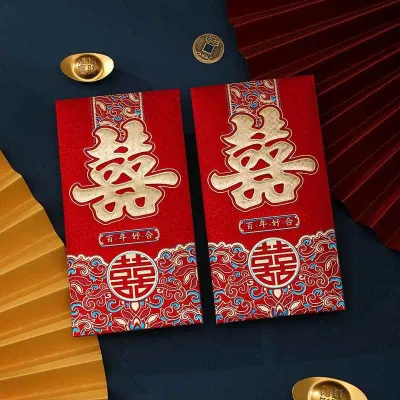
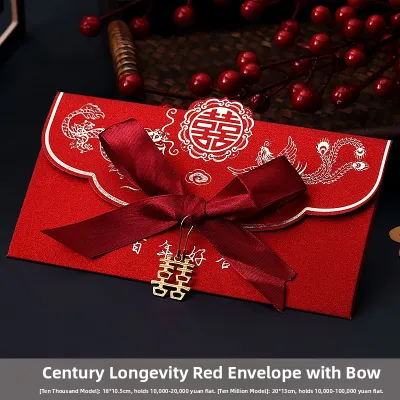
Prices are valid at publication and may change. Please refer to the product page for the latest price.
Furthermore, external decorative elements can significantly impact internal capacity. High-end angbaos often feature embossed gold foil patterns, 3D cardstock attachments, thick brocade fabrics, or padded layers. While these elements enhance the visual appeal, they make the envelope rigid and reduce its flexibility. A rigid envelope with zero stretch cannot expand to accommodate notes, meaning even a minor discrepancy in internal dimensions can make inserting flat cash extremely difficult.
Matching Angbao Sizes to SGD Notes for a Flat Fit
Singapore dollar notes vary in physical size depending on their denomination, with higher-value notes generally being larger. For example, a $10 note measures 141 mm by 66 mm, a $50 note measures 156 mm by 74 mm, and a $100 note measures 162 mm by 77 mm. Because wedding gifts in Singapore most commonly utilize $50 and $100 notes, you must verify the exact dimensions of your intended gift notes. You can check these official specifications via the Monetary Authority of Singapore (MAS) or physically measure the notes before purchasing your envelopes.

Standard size envelopes are engineered specifically to accommodate these larger circulating banknotes flat. To ensure a seamless fit, apply a simple verification check: measure the envelope’s internal pocket and ensure it exceeds the banknote’s dimensions by at least 5 mm to 10 mm on all sides. For a $100 note (162 mm x 77 mm), the minimum internal pocket size should be approximately 167 mm in length and 82 mm in width. This extra clearance prevents the edges of the note from catching on the internal glue seams, ensuring the money slides in and out smoothly without bending.
In contrast, mini or compact envelopes almost always require folding SGD notes. A $50 or $100 note must be folded in half or thirds to fit into these smaller pockets. While folding cash is perfectly acceptable in casual settings, flat insertion is highly preferred for weddings. Many guests make an effort to obtain crisp, newly issued polymer or paper banknotes from banks specifically for wedding gifts. Folding these pristine notes defeats the purpose of securing new currency, as it leaves permanent creases across the security features and portrait designs.
Another critical factor is the “multiple notes” scenario. If you plan to gift a larger sum using multiple smaller denominations—such as ten $10 notes or several $50 notes—the cumulative thickness of the stack increases significantly. A standard flat paper envelope has no depth; as thickness increases, the usable width and length of the pocket contract. Stacking 10 or more flat notes can cause the side seams of a standard flat envelope to burst under pressure. To prevent this, look for standard envelopes with a gusseted (expandable) edge, or opt for a slightly larger jumbo size that offers more natural slack.
Paper Weight, Opacity, and Closure Specifications
Beyond pure dimensions, the physical construction of the wedding angbao plays a major role in its usability and presentation. Paper weight, measured in grams per square meter (GSM), directly impacts the structural integrity of the envelope. Standard, budget-friendly red packets often use thin paper ranging from 80 GSM to 100 GSM. While lightweight, these envelopes are prone to tearing at the seams when holding multiple crisp banknotes or when handled repeatedly at a busy reception desk.
For a premium presentation, look for envelopes made from 120 GSM to 160 GSM cardstock, textured paper, or specialty felt-finish papers. This thicker material holds its shape beautifully, resists creasing, and provides a tactile sense of quality that matches the significance of the occasion. When writing your well-wishes on the envelope, ensure the paper’s ink absorption prevents bleeding or smudging; a quick test with your pen on a hidden flap or scrap paper will verify drying speed and bleed resistance before you write on the main surface.
Opacity is another vital consideration tied directly to gift-giving etiquette. Thin, low-GSM paper is often semi-translucent, especially when held up to the bright, direct lighting typical of Singaporean hotel ballrooms and restaurant banquet halls. If the paper is too thin, the color of the notes and the printed denominations will be visible from the outside, compromising the privacy of your gift. To ensure complete discretion, choose envelopes with high paper density, dark interior linings, or double-layered paper construction.
Finally, pay close attention to the closure mechanism of the envelope. The three most common types are tuck-in flaps, sticker seals, and ribbon ties. Tuck-in flaps require a slot on the back of the envelope where the flap is inserted. This mechanism requires extra internal clearance, as pushing the flap inward can accidentally bend or crumple the notes inside if the pocket is too tight. Sticker seals and self-adhesive strips maximize the internal pocket depth because they secure the flap flat against the exterior. However, strong adhesives can leave a sticky residue or tear the envelope paper when the newlyweds attempt to open it, which can be frustrating during the post-wedding gift-counting process. Ribbon ties or string closures offer an elegant, reusable alternative that accommodates varying thicknesses, though they add bulk and require careful handling to keep the bow intact.
Frequently Asked Questions (FAQ)
How much extra space should an angbao have for multiple notes?
If you are gifting a larger sum that requires stacking more than 10 to 15 notes, you should ensure the envelope has at least 10 mm of clearance in both length and width beyond the note dimensions. For thick stacks, flat, non-gusseted mini envelopes should be avoided entirely, as the pressure of the stack will split the delicate side seams during transit or handling. Instead, opt for standard-sized envelopes made of flexible, textured paper or those featuring expandable gusseted sides, which naturally accommodate the added depth without putting stress on the glued edges.
Does the orientation of the design affect how notes are inserted?
Yes, the orientation of the design—whether horizontal (landscape) or vertical (portrait)—directly influences how easily notes can be inserted and retrieved. Horizontal designs naturally align with the landscape orientation of Singapore dollar notes, allowing you to slide the cash straight in without rotating the bills. Vertical designs, on the other hand, require you to rotate the notes 90 degrees before sliding them in. In tighter vertical envelopes, this orientation can cause the corners of the notes to catch on the internal bottom seams or glue lines, increasing the risk of crumpling the cash or tearing the envelope’s interior pocket.
Community discussion
Share your experience or ask a question. Comments are reviewed before publication.