
Viscose fabric is a popular semi-synthetic textile widely used in sewing and ready-to-wear fashion. Known for its fluid drape, smooth texture, and high breathability, it offers an elegant aesthetic at an accessible price point. However, viscose behaves differently from natural fibers like cotton or fully synthetic fibers like polyester. Understanding its physical properties, construction challenges, and care requirements is essential before purchasing it.
When planning a project or evaluating a garment, you must weigh its fluid movement against its delicate nature. Viscose requires specific handling during cutting, stitching, and laundering. This guide breaks down everything you need to know to make an informed decision, from fiber composition to practical sewing tips and long-term maintenance.
Understanding Viscose: Composition and Key Characteristics
Viscose is a regenerated cellulose fiber, placing it in the semi-synthetic category. The production process begins with natural cellulose, typically harvested from wood pulp sources such as pine, spruce, eucalyptus, or bamboo. This raw plant material undergoes chemical treatment to dissolve the cellulose into a viscous liquid, which is then extruded to form solid filaments. Because it originates from natural plant matter but requires chemical processing to become yarn, it bridges the gap between natural and synthetic textiles.
Products mentioned in this guide
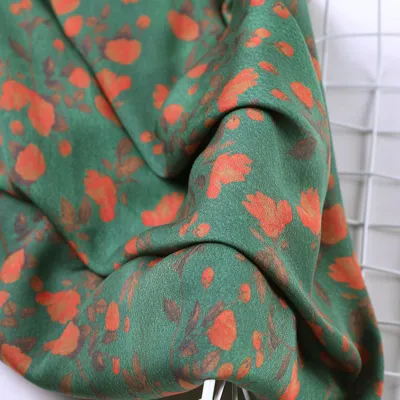
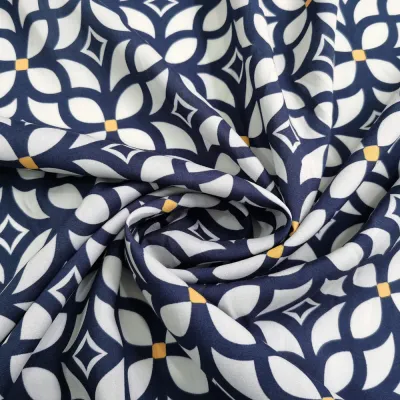
Prices are valid at publication and may change. Please refer to the product page for the latest price.
The most prominent physical trait of viscose is its pronounced drape. Unlike structured fabrics that hold their own shape, viscose flows fluidly, conforming easily to curves and moving gracefully. It possesses a smooth, cool hand feel and a subtle, natural sheen that closely mimics silk. Additionally, viscose is highly hydrophilic, meaning it absorbs moisture efficiently, which contributes to its overall comfort against the skin.
Compared to natural fibers, viscose occupies a unique middle ground. While cotton fibers are strong, stable, and relatively stiff, viscose fibers are highly flexible and lack natural structural rigidity. This makes cotton much easier to handle but less suited for garments requiring fluid movement. Silk shares a similar drape and luster with viscose, but silk is significantly lighter in weight, stronger when wet, and possesses a more complex sheen. Viscose is generally heavier than silk of a comparable weave, giving it a distinct, weighted fall.
Evaluating Viscose for Your Sewing and Clothing Projects
Choosing viscose for a sewing project requires matching the fabric’s natural behavior to the garment’s design. Because of its fluid drape, viscose is highly suitable for unstructured, flowy garments. Recommended applications include maxi dresses, bias-cut skirts, lightweight blouses, wide-leg trousers, and soft pajamas. It also serves as a highly effective lining material for jackets and coats, as its smooth surface allows garments to slip on and off easily without adding bulk.

Conversely, viscose is poorly suited for projects that require crisp structure, sharp tailoring, or high durability. You should avoid using it for structured blazers, heavy-duty utility trousers, or high-friction items like bags and upholstery. The fibers lack the natural elasticity and resilience needed to maintain sharp pleats or structured collars without extensive interfacing.
From a construction standpoint, sewing with viscose requires patience. The fabric is notoriously slippery, making cutting and aligning pattern pieces challenging. To manage this slippage, you can pin the fabric to tissue paper before cutting, use a rotary cutter on a self-healing mat, or secure the layers with fine pattern weights.
During stitching, viscose is prone to seam puckering. To prevent this, use a brand-new, fine needle—such as a size 60/8 or 70/10 universal or microtex needle—and adjust your sewing machine’s thread tension to a lighter setting. Because raw edges of viscose fray rapidly, you must plan for robust seam finishes. French seams, flat-felled seams, or clean overlocking are recommended to secure the edges and prevent the garment from pulling apart at the seams.
How to Check Quality and Read Fabric Labels Before Buying
Before purchasing viscose fabric or a finished garment, reading the fiber content label is crucial. You will frequently encounter 100% viscose, but you will also find a wide variety of blends designed to alter the fabric’s performance.
A viscose-linen blend is highly popular for warm-weather apparel. Linen adds structural body and strength, while the viscose softens the linen’s natural stiffness and reduces its tendency to crease harshly. Viscose-polyester blends are engineered for durability and ease of care; the polyester increases the fabric’s tensile strength, reduces shrinkage, and improves wrinkle recovery, though it may slightly lower breathability. For garments requiring close-fitting comfort, such as t-shirts or wrap dresses, a viscose-elastane blend provides stretch and recovery, preventing the fabric from bagging out.
When shopping in person, you can perform several physical checks to assess quality. First, hold the fabric up to a light source to examine the weave density. A high-quality viscose will have a tight, uniform weave with minimal gaps between the threads, reducing the risk of seam slippage. Next, inspect the cut edges of the bolt; excessive, messy fraying can indicate a loose, unstable weave that will be difficult to work with. Finally, check the alignment of any printed designs. If the print is skewed or printed off-grain, it will be impossible to align the pattern pieces correctly without distorting the drape of the finished garment.
Care, Maintenance, and Washing Limitations
The longevity of a viscose garment depends heavily on proper care, as the fiber has several notable physical vulnerabilities. The most critical factor to keep in mind is that viscose loses a significant portion of its strength when wet. In this state, the fibers are highly susceptible to stretching, tearing, and severe shrinkage. Consequently, rough handling during washing can permanently ruin the shape and texture of the fabric.
Always consult the manufacturer’s care label before laundering. While some stable viscose blends can tolerate a gentle machine wash, many pure viscose garments require hand washing in cold water or professional dry cleaning. If you are sewing with raw viscose fabric, pre-washing is a critical step. Because viscose can shrink by up to 10% on its first exposure to water, failing to pre-wash the fabric before cutting will result in a finished garment that is far too small after its first laundry cycle.
To verify the specific behavior of your fabric blend, perform a simple scrap test: wash and dry a measured 10cm by 10cm square to calculate exact shrinkage, and press it with your iron to check for heat sensitivity and water spotting.
Ironing viscose requires a cautious approach to avoid scorching or creating permanent shiny marks. Set your iron to a low-to-medium heat setting and always use a clean pressing cloth between the iron and the fabric. Iron the garment on the reverse side whenever possible. Avoid using heavy steam or spraying water directly onto the fabric, as viscose is prone to water spotting, which leaves unsightly rings that can only be removed by re-washing.
Storage methods also play a role in maintaining the garment’s shape. Because viscose is heavy and lacks natural recovery, hanging heavy garments like long dresses can cause them to stretch out of shape over time. For these items, folding them neatly and storing them in a drawer is the best practice. Lightweight blouses can be hung, but it is best to use padded hangers to distribute the weight evenly.
Frequently Asked Questions (FAQ)
Is viscose fabric breathable and suitable for warm climates?
Viscose is highly breathable and possesses excellent moisture-absorption properties, making it a comfortable choice for warm and humid climates. It allows air to circulate relatively freely and absorbs perspiration quickly. However, because it is highly absorbent, if you sweat heavily, the fabric can become saturated and feel heavy against the skin. In extremely humid conditions, saturated viscose may take longer to dry, causing it to cling to the body.
Does viscose shrink in the wash?
Yes, viscose is highly prone to shrinking when exposed to water, heat, and mechanical agitation. The fibers swell when wet, and the tension applied during manufacturing is released, causing the fabric to contract. To prevent shrinkage, always wash viscose in cold water on a delicate cycle or hand wash, and avoid using a tumble dryer. For sewing projects, always pre-wash your fabric using the exact method you plan to use for the finished garment to ensure all shrinkage occurs before cutting.
What is the difference between viscose, rayon, and modal?
Rayon is the broad, generic category term for all manufactured fibers composed of regenerated cellulose. Viscose is a specific, first-generation type of rayon and is the most common variety found in retail stores. Modal is a second-generation rayon fiber, typically made from beechwood pulp. The manufacturing process for modal is modified to produce fibers that are stronger, especially when wet, and more resistant to shrinkage than standard viscose, resulting in a fabric that feels soft and holds its shape better over time.
Community discussion
Share your experience or ask a question. Comments are reviewed before publication.