
Quick Answer: Which Mixed Colour Yarn Should You Pick?
Choosing the right mixed colour yarn depends entirely on your project’s stitch pattern, its overall size, and how much control you want over the final color layout.
- Variegated Yarn: Choose this if you want random, short bursts of color and are working with simple stitch patterns like stockinette or garter stitch.
- Self-Striping Yarn: Select this if you want automatic, even stripes without the hassle of changing yarn balls, making it ideal for socks, hats, or simple flat garments.
- Multi-Colour Yarn (Heathered, Marled, or Tweed): Opt for this if you want a subtle, textured color blend that provides depth and visual interest without overwhelming complex stitch patterns like cables or lace.
Before committing to a large project, always verify your choice by checking the dye lot on the label and knitting a gauge swatch to observe how the colors pool in your specific stitch count.
Defining the Three Types of Mixed Colour Yarn
To select the right material for your next project, it is essential to understand how manufacturers apply color to these different yarn types and how those colors behave on the strand.
Products mentioned in this guide
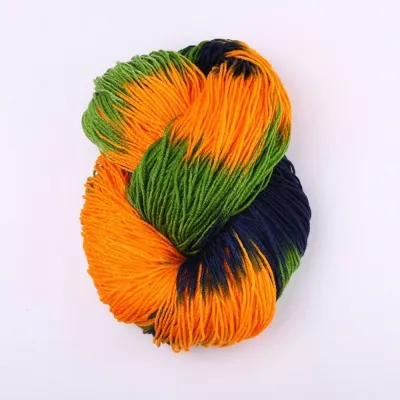
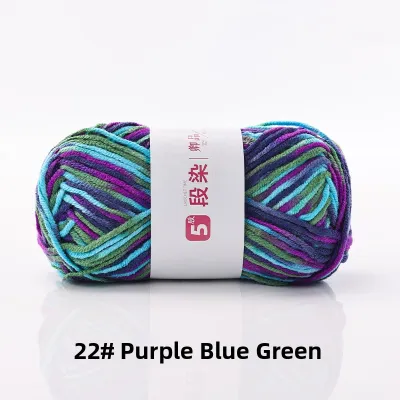
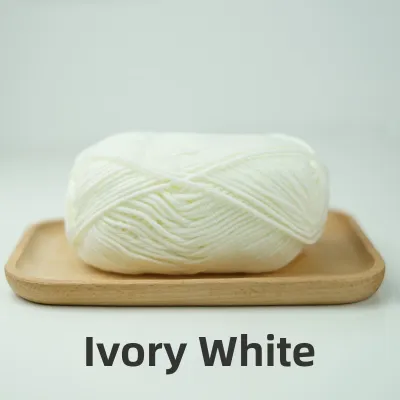
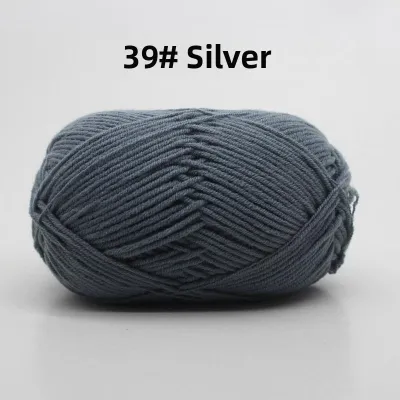
Prices are valid at publication and may change. Please refer to the product page for the latest price.

Variegated yarn is characterized by its short color repeats. A single skein might transition through three, four, or more distinct hues within just a few feet of yarn. Because these color segments are short, they do not have room to form stripes. Instead, they scatter across the fabric, creating a lively, mosaic-like effect.
Self-striping yarn, by contrast, features very long sections of a single color before transitioning to the next. The manufacturer designs these lengths with specific project dimensions in mind, such as the average width of a sock or a scarf. When worked up, these long blocks of color stack neatly on top of each other, mimicking the look of manual color changes without the extra yarn tails to weave in.
Multi-colour yarn relies on fiber blending rather than sectional dyeing. Marled yarn, for instance, is made by plying together two or more strands of different solid colors, creating a classic twisted rope effect. Heathered yarn is created by mixing different dyed raw fibers together before they are spun into a single strand, resulting in a soft, muted, and deeply complex single color. Tweed yarn features small flecks of contrasting fiber spun directly into the main strand, adding rustic texture and pops of color.
Predicting Visual Effects and Pattern Compatibility
The way a mixed colour yarn looks on the skein rarely matches how it looks when worked into a fabric. Understanding how these colors interact with your stitches is essential to avoiding visual clutter and achieving your desired design.
Color pooling occurs when the color repeats in a variegated yarn align closely across consecutive rows. This alignment can create unintended geometric shapes, such as diagonal lines, blocks, or even argyle-like patterns. This effect, sometimes called flashing, is highly sensitive to your stitch count. Adding or subtracting even a single stitch can completely disrupt the alignment, turning a structured pool of color into a scattered, random distribution.
Stripe formation in self-striping yarn is similarly dependent on the geometry of your project. If you knit a sock in the round, the narrow circumference allows the long color segments to wrap around multiple times, creating thick, distinct horizontal bands. However, if you use that same yarn for a wide flat panel, like a baby blanket, the color segments may not even complete a single row. This results in short, choppy blocks of color rather than clean stripes. Furthermore, when you change your stitch count—such as when shaping a sock heel or adding decreases for a hat crown—the stripes will naturally narrow, widen, or break apart.
Stitch definition is another critical factor when matching yarn to a pattern. Highly variegated yarns with high-contrast color changes tend to visually compete with textured stitches. If you work intricate cables, lace, or textured knit-purl patterns in a busy variegated yarn, the shadows and shapes of the stitches will be lost in the chaotic color transitions. For these complex patterns, multi-colour blended yarns like heathers or tweeds are far more suitable. They offer subtle depth and tonal variation that enhances the three-dimensional quality of cables and lace without obscuring the craftsmanship.
How to Match the Right Yarn to Your Specific Project
To ensure a successful project, you must align the physical properties of your yarn with the structural demands of your pattern.
- Small-Circumference Projects: Self-striping yarns are ideal for socks, mittens, sleeves, and hats. The narrow width of these items allows the engineered color repeats to form clean, satisfying stripes.
- Large, Simple Projects: Variegated yarns shine in expansive, uncomplicated patterns. Simple garter stitch shawls, basic stockinette blankets, or plain crochet stitch cowls allow the rapid color shifts to take center stage without competing with complex stitchwork.
- Textured and Tailored Garments: Multi-colour yarns, such as marls, heathers, and tweeds, are an excellent match for sweaters, cardigans, and intricate accessories. They provide a sophisticated, rich color depth that highlights stitch definition and structural seams.
In Singapore’s warm, tropical climate, lightweight cotton or bamboo blends are highly popular for breathable garments. When selecting a mixed colour yarn for these fibers, keep in mind that plant-based yarns drape differently than wool, which can subtly affect how the colors pool.
Before purchasing your yarn, always perform thorough gauge and yardage checks. Mixed colour yarns are often dyed in limited batches, making it crucial to buy enough yardage from the same dye lot at the outset. Whether you are investing S$15 or S$50 per skein at a local boutique, ensuring you have enough yardage from the start prevents costly matching issues later. If you run short and must buy a skein from a different dye lot, the color transitions and saturation levels may differ significantly, creating a highly visible line across your work.
Reading the yarn label carefully is your best defense against project failure. Look for the dye lot number to ensure all your skeins match closely. Additionally, examine the fiber content and care instructions. Mixed colour yarns often combine different fibers—such as wool, nylon, or acrylic—which can react differently to washing. Some hand-dyed variegated yarns may also bleed slightly during their first wash, so checking for colorfastness instructions on the label is a vital step before you begin.
Essential Techniques for Knitting and Crocheting with Mixed Colours
Working with mixed colour yarns requires a few specialized techniques to ensure a professional, polished finish.
One of the most effective methods for managing variegated or multi-colour yarns is alternating skeins. Even when skeins share the same dye lot, hand-dyed or highly variegated yarns can vary slightly from ball to ball. To prevent a sudden, harsh shift in color when you start a new ball, work with two skeins simultaneously. Alternate between them every two rows, carrying the unused strand loosely up the side of your work. This technique blends the variations seamlessly, eliminating distinct color blocks and creating a cohesive fabric.
If your initial gauge swatch reveals undesirable color pooling or flashing, you can intentionally adjust your tension or needle size to disrupt the pattern. Changing your needle size by just a fraction of a millimeter alters your stitch gauge, which shifts where the color transitions fall in each row. This simple adjustment can transform a harsh, pooling pattern into a beautifully distributed, scattered color mix.
Managing joins and weaving in ends also requires extra care when working with multiple colors. If you join a new ball of yarn in a highly contrasting section, the woven-in tail may show through to the front of your work, creating an unsightly spot. To avoid this, always try to join new yarn at the edges of your project or within a section of the same color. When weaving in ends, follow the path of the stitches carefully using a duplicate stitch method, ensuring that dark yarn tails are only woven into dark stitches, and light tails into light stitches.
Frequently Asked Questions (FAQ)
Can I use variegated yarn for a pattern with complex cables or lace?
High-contrast variegated yarn is generally not recommended for complex cables or lace. The rapid, short color changes create a busy visual pattern that competes with the physical texture of the stitches, making your hard work difficult to see. If you want to add color depth to textured patterns, opt for semi-solid, heathered, or tweed yarns instead. These options provide subtle tonal variations that enhance the shadows and highlights of your stitches without camouflaging them.
Why do my self-striping socks look different from the picture on the ball band?
Self-striping yarns are engineered to produce even horizontal stripes based on a specific stitch count and gauge. If your socks have a different number of stitches, or if your knitting tension is tighter or looser than the manufacturer’s sample, the stripes will alter in width or may even begin to pool diagonally. To achieve the look on the ball band, knit a gauge swatch and adjust your needle size or stitch count to match the pattern specifications recommended for that specific yarn.
How do I prevent harsh color lines when starting a new skein of variegated yarn?
To prevent harsh color lines, use the alternating skeins technique. Work two rows from your first skein, then switch to the second skein for the next two rows, carrying the unused yarn loosely up the side of your work. Doing this for a transition zone of about two to three inches before fully committing to the new skein will blend any slight dye lot variations. This method ensures a smooth, professional transition without any sudden blocks of color.

Community discussion
Share your experience or ask a question. Comments are reviewed before publication.