
Choosing the right writing instrument for high-stakes national examinations like the O-Levels and A-Levels can significantly impact your writing speed, comfort, and overall performance. The Uni-ball Vision Elite and the Uni-ball Signo 207 are two of the most popular choices among students, yet they rely on fundamentally different ink technologies. The Signo 207 is a pigmented gel pen that offers exceptional smudge resistance and controlled tactile feedback, making it highly reliable for fast, heavy-handed writing. In contrast, the Vision Elite is a liquid ink rollerball pen designed for a frictionless, fountain-pen-like glide that requires minimal downward pressure. Understanding how these distinct mechanisms interact with exam paper and your personal writing style is key to making the right choice.
Clarifying the Ink Types: Liquid Rollerball vs Gel
A common misconception among students is that both of these models belong to the gel pen category. In reality, the Uni-ball Vision Elite is a liquid ink rollerball pen, whereas the Signo 207 is a true pigmented gel ink pen. This distinction in ink formulation dictates how the ink behaves inside the pen reservoir and how it transfers onto the page.
The Vision Elite utilizes a low-viscosity, water-based liquid ink that flows freely through a precision-engineered feed system. Because the ink is highly fluid, it requires virtually no downward pressure to transfer onto the paper, allowing the pen to glide effortlessly across the page. This makes it an excellent option for students who experience hand strain from pressing too hard during long essays.
Products mentioned in this guide

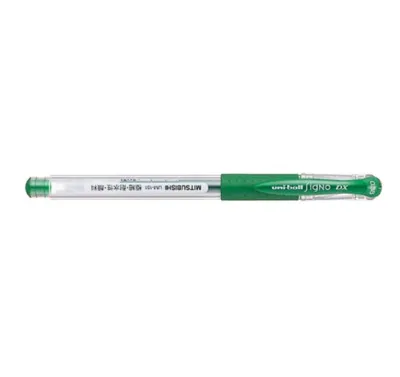
6 Lazada user ratings
Lightweight and portable, Long-lasting ink refill, Quality:Smooth ink flow,
Quality:Excellent writing quality,
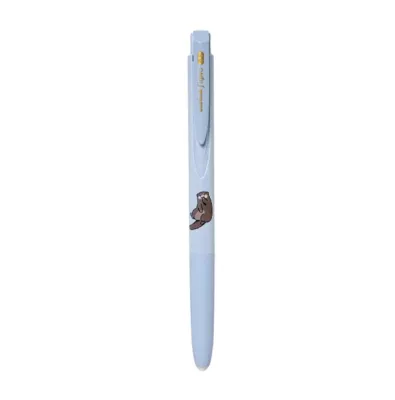

Prices are valid at publication and may change. Please refer to the product page for the latest price.
The Signo 207, on the other hand, uses a thixotropic gel ink. This means the ink remains in a thick, semi-solid state inside the cartridge but liquefies temporarily under the physical shear force of the rotating ballpoint tip as you write. Once on the paper, the ink quickly reverts to its stable, high-viscosity state. This gel formulation provides a slight, pleasant resistance or “feedback” against the paper, giving you greater control over your letter formations. Before purchasing, always check the pen barrel or packaging to verify the ink type and ensure it matches your tactile preferences.
Writing Comfort and Ergonomics for Long Papers
Sitting through a two- to three-hour exam paper requires a pen that minimizes physical strain and prevents writer’s cramp. The physical design and weight distribution of the Vision Elite and Signo 207 differ significantly, affecting how they feel during extended writing sessions.

The Signo 207 features a retractable design with a dedicated, textured rubberized grip section. This soft grip helps cushion your fingers and prevents slipping, which is particularly beneficial if your hands tend to sweat under exam stress. The barrel is slightly contoured, offering a comfortable hold for standard tripod grips. Because it is a click-retractable pen, there is no cap to manage, making it highly convenient for quick start-and-stop writing.
The Vision Elite employs a classic capped design. The grip area is integrated directly into the smooth plastic barrel, featuring a molded pattern rather than a soft rubber sleeve. While some writers prefer the clean, uniform feel of a smooth grip, others may find it less secure during long, rapid writing sessions. The capped design also alters the pen’s balance; writing with the cap posted on the back shifts the center of gravity rearward, which can tire your hand over time. Writing unposted keeps the pen exceptionally light and forward-balanced.
To find the best fit, it is highly recommended to visit a local stationery store and hold both models. Pay close attention to the grip diameter and how the weight sits in your hand to ensure the pen supports your natural writing posture without causing fatigue.
Ink Flow, Drying Time, and Smudge Resistance
The interaction between ink and paper is a critical factor during exams, where answers must remain perfectly legible and free of smudges. The drying speed and bleed resistance of both pens depend heavily on the specific paper quality provided in the exam hall.
Liquid ink, as used in the Vision Elite, is highly fluid and saturates paper fibers deeply. While this produces rich, bold lines, it also increases the risk of feathering—where the ink spreads outward along the paper fibers—and bleed-through to the reverse side of the page. On thin or low-grade exam booklet paper, liquid ink can easily ghost or bleed, potentially making double-sided answers difficult to read. Furthermore, because the ink is water-based and slow to dry on certain paper finishes, it poses a higher risk of smudging, particularly for left-handed writers whose hands trail over fresh text.
Gel ink, as formulated in the Signo 207, sits primarily on the surface of the paper rather than soaking deep into the fibers. This surface-drying property makes the Signo 207 highly resistant to bleed-through, even on thinner sheets. The pigmented formula dries relatively quickly, significantly reducing the likelihood of accidental smudges. This makes it a safer choice for fast, overlapping handwriting styles and left-handed students.
To avoid unexpected issues on exam day, conduct an observable trial. Obtain a sample of standard school exam paper or past-year booklets and write several lines at your normal exam speed. Immediately run a finger across the text to test the drying speed, and flip the page to check for any visible bleed-through or feathering.
Reliability and Leak Prevention Under Exam Conditions
A pen failure in the middle of a high-stakes exam can cause unnecessary panic and waste valuable time. Both the Vision Elite and the Signo 207 are engineered for reliability, but they handle mechanical stress differently.
The Vision Elite is famous for its “airplane-safe” technology. It features a specialized reservoir system designed to compensate for rapid changes in atmospheric pressure, preventing ink from leaking or pooling. This robust design makes it highly reliable in air-conditioned exam halls where temperature and pressure fluctuations might cause lesser rollerball pens to leak. The capped design also provides a physical barrier, ensuring that any accidental ink discharge is contained within the cap rather than ruining your pencil case or exam papers.
The Signo 207 relies on a sealed gel cartridge and a spring-loaded tip mechanism. The high viscosity of the gel ink naturally prevents leaks, making it an incredibly clean pen for daily use. However, gel pens can occasionally experience “skipping” if the ballpoint collects paper dust or if the pen is dropped directly on its tip, which can damage the delicate ball mechanism.
Regardless of which model you choose, never enter the exam hall with only one pen. Always carry at least two or three identical backups. Visually inspect the transparent barrel of your Signo 207 or check the ink window of your Vision Elite before the exam to ensure you have a full supply of ink. Additionally, verify if refills are readily available at your local stationery store; Signo 207 refills are widely stocked and cost-effective, typically retailing for around S$1.20 to S$1.80, making it easy to keep your favorite pen body in service.
Decision Framework: Match the Pen to Your Writing Style
To make your final decision, evaluate your personal writing habits, physical grip, and the specific requirements of your examination board.
You should choose the Signo 207 if you write with moderate to heavy hand pressure, prefer a soft rubberized grip, or write at high speeds where immediate smudge resistance is essential. It is also the safer option if you are left-handed or if your exam papers are printed on thin, double-sided paper that is highly prone to ink bleed-through.
You should choose the Vision Elite if you write with a very light touch, suffer from hand fatigue easily, and prefer a capped pen with a smooth, uniform grip. It is ideal if you want highly saturated, bold lines that remain exceptionally clear and legible, provided the exam paper is thick enough to handle liquid ink without bleeding.
Before making your purchase, always verify the specific regulations of your exam board. Some national examination guidelines have strict rules regarding ink colors and may restrict pens that cause significant bleed-through, as double-sided optical scanning systems require clean, unblemished pages for digital marking.
Frequently Asked Questions (FAQ)
Are both pens allowed in O-Level and A-Level exam halls?
Yes, both pens are generally permitted in O-Level and A-Level exam halls, provided they write in non-erasable black or blue ink. However, you must ensure that your chosen pen does not cause significant bleed-through or ghosting on the official answer booklets. Because many national exam scripts in Singapore are scanned digitally for onscreen marking, any ink that bleeds through to the reverse side of the page can obscure the writing on that side, potentially leading to grading difficulties. Always check the latest instructions from the Singapore Examinations and Assessment Board (SEAB) or your school’s exam guidelines to confirm acceptable ink types.
Which tip size is best for fast exam writing?
The best tip size depends on your handwriting size and writing speed. A fine tip, such as a 0.5 mm nib, is ideal for students with small, compact handwriting, as it keeps letters distinct and prevents ink from pooling or spreading. A medium tip, such as a 0.7 mm or 0.8 mm nib, offers a smoother, faster glide across the paper but produces broader lines that can make small handwriting look cluttered. To maintain maximum legibility for the examiner, match your tip size to the line spacing of your exam answer booklets, ensuring there is clear white space between your letters and lines.
Community discussion
Share your experience or ask a question. Comments are reviewed before publication.